
Last updated September 10, 2026
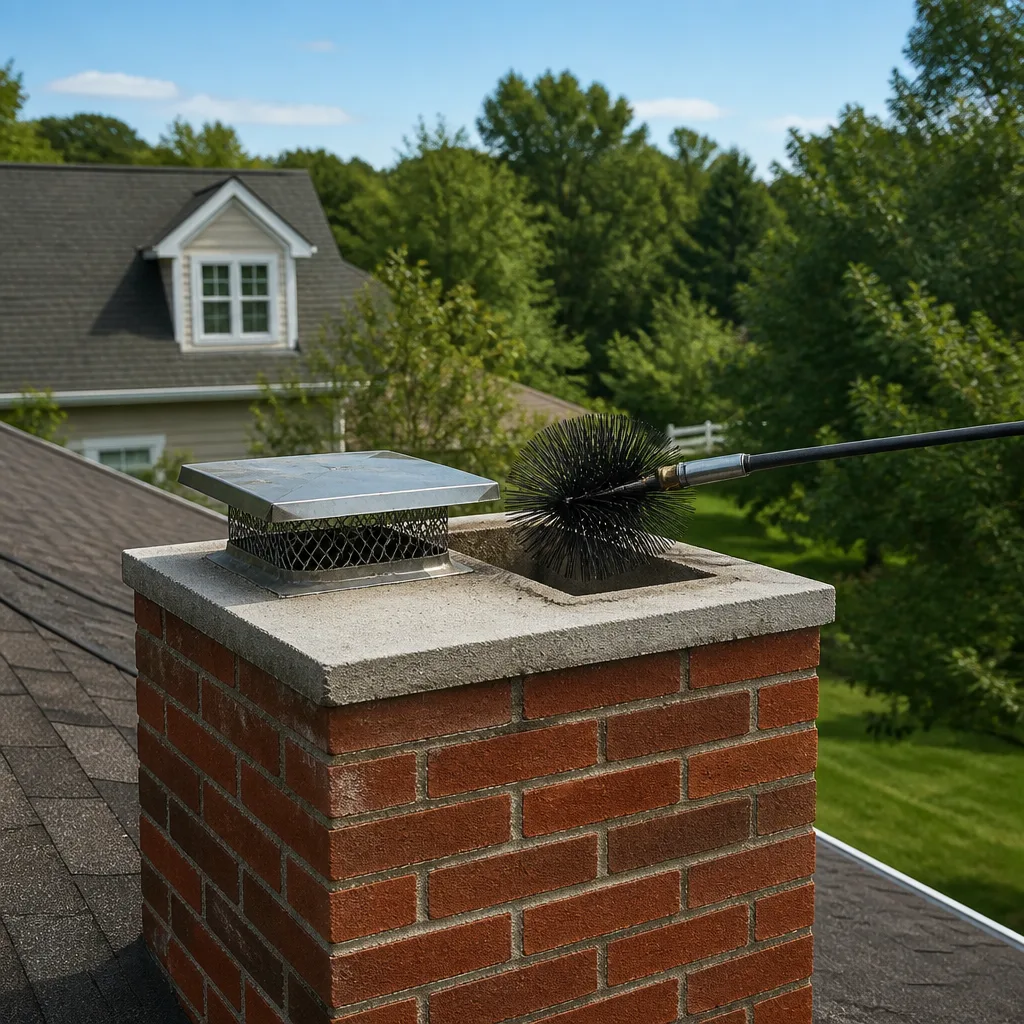
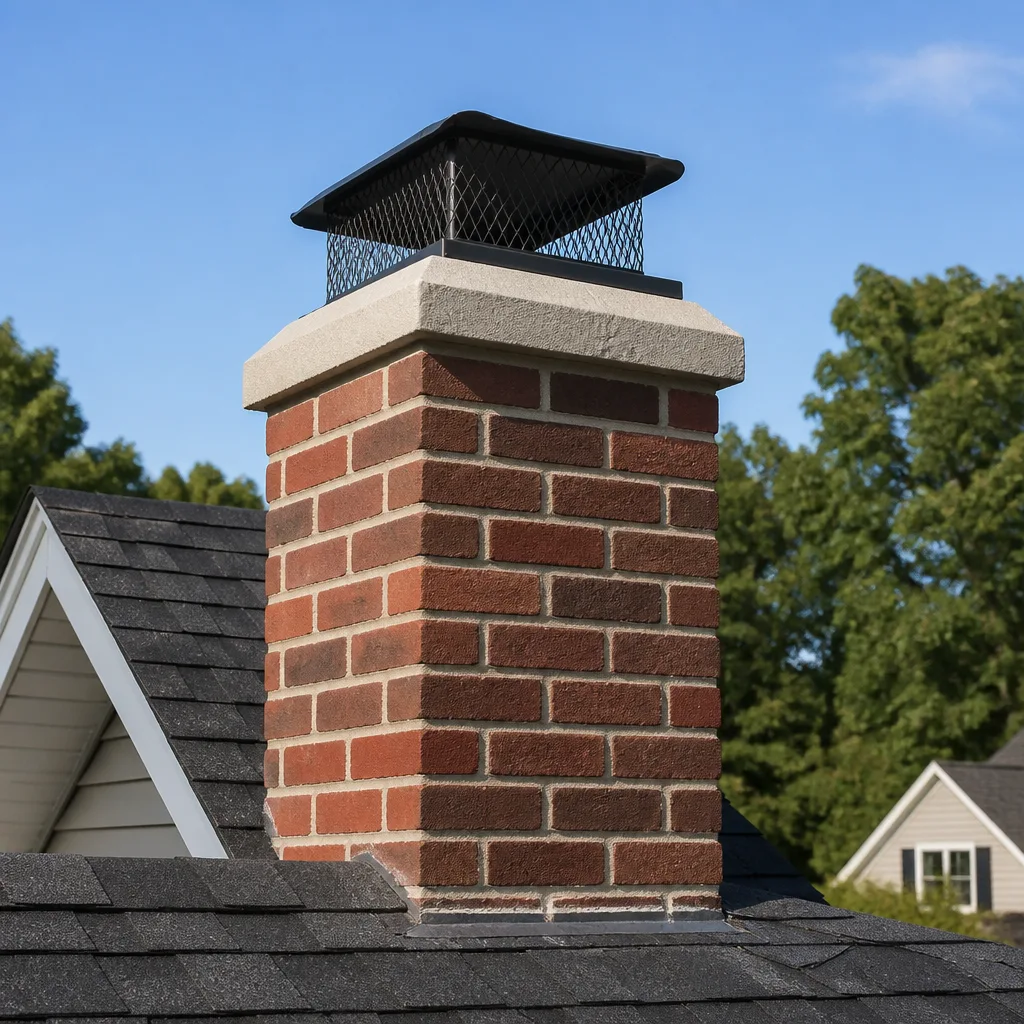
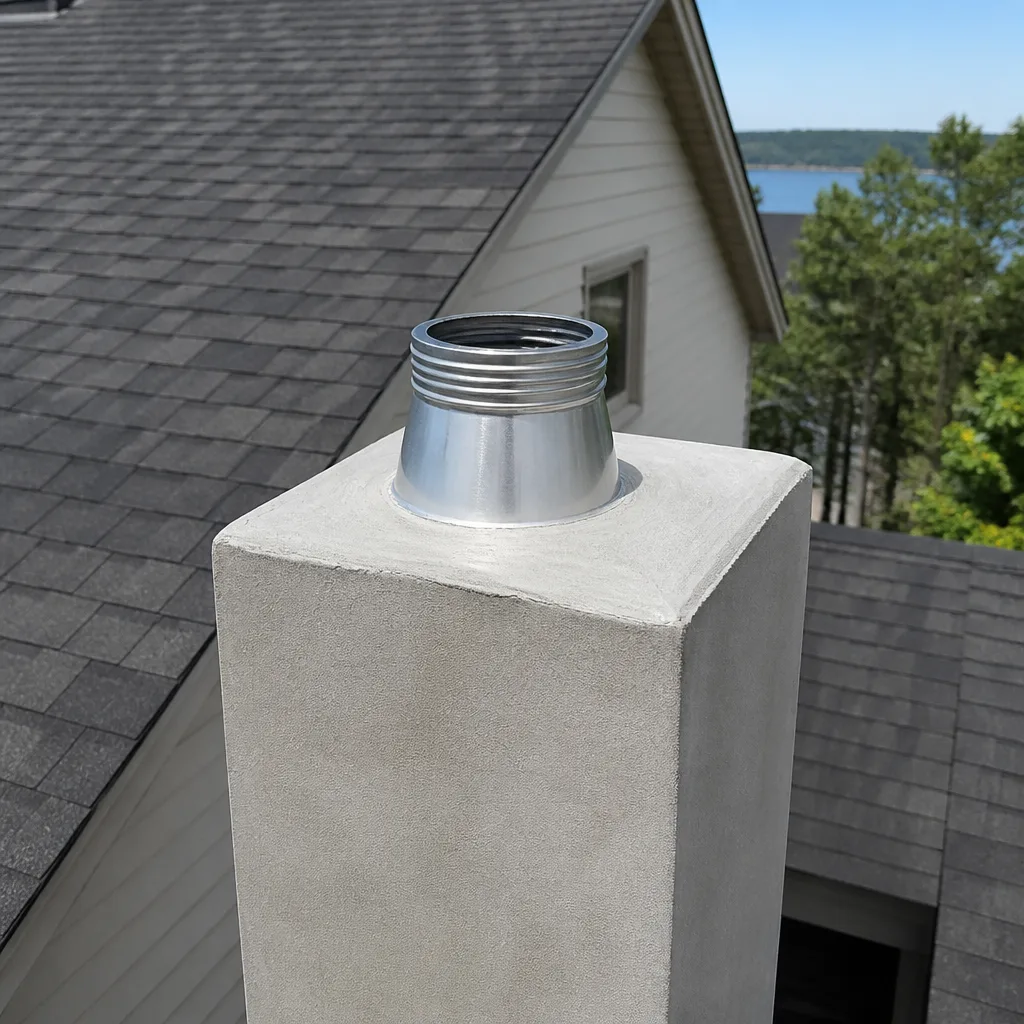
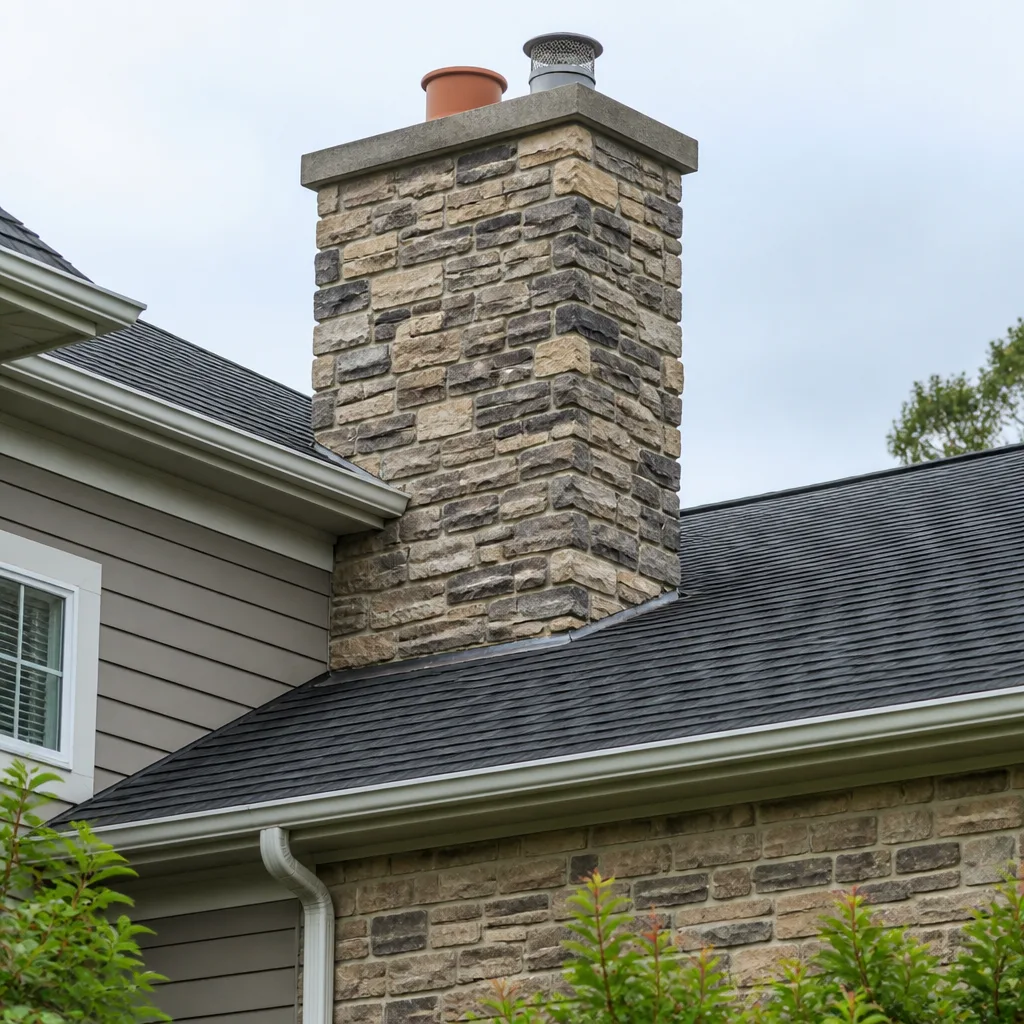
Level 1 sweep and inspection to the NFPA 211 annual standard - flue, crown, cap, and flashing checked and photographed
Chimney sweep logs do not sweep chimneys. They loosen some creosote - which then falls where a brush and vacuum still have to collect it.
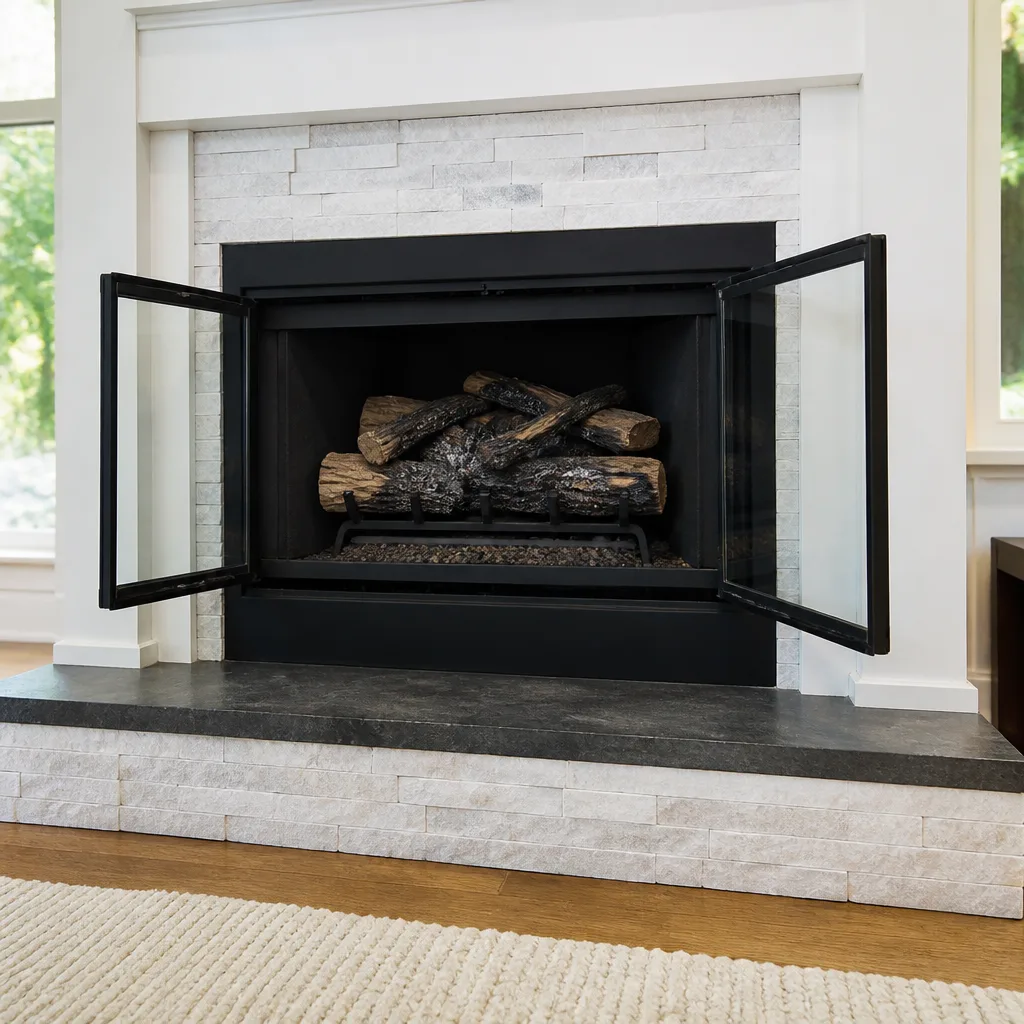
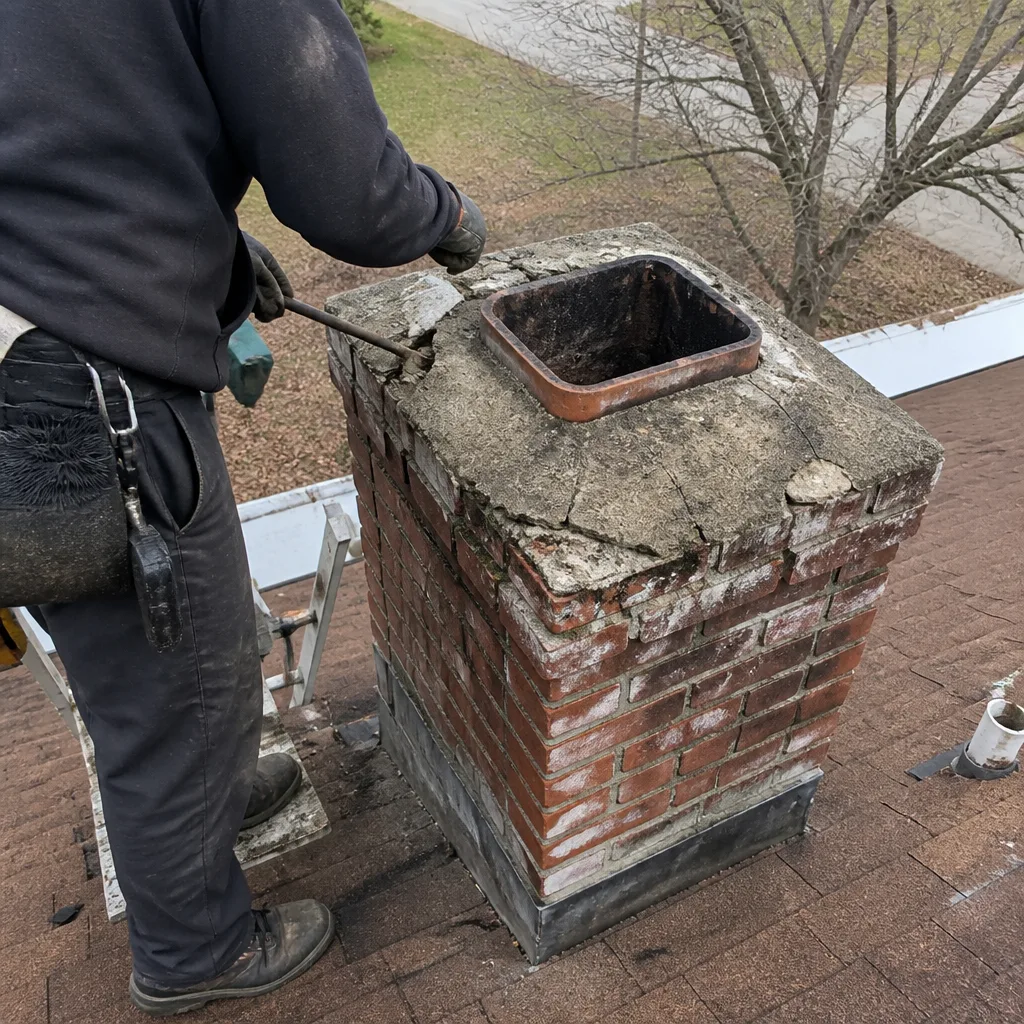 Before
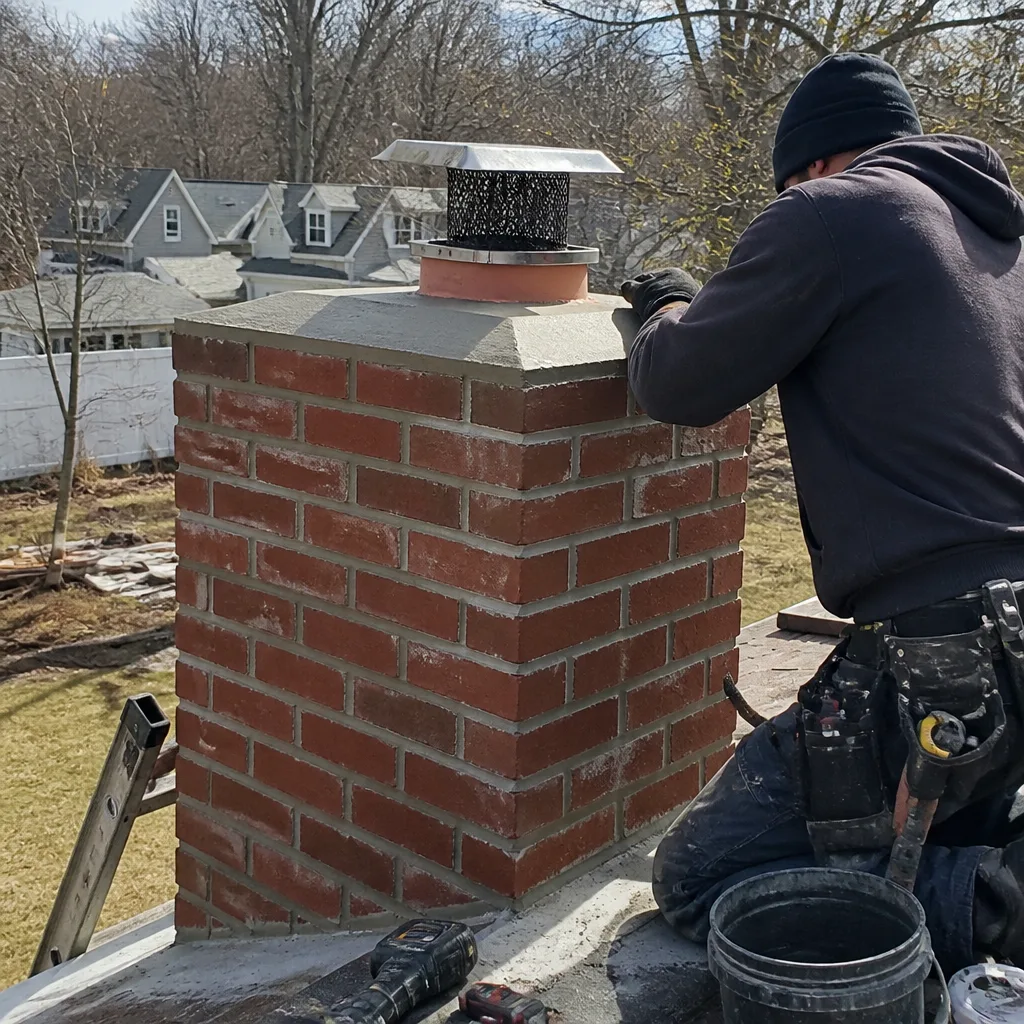 After
After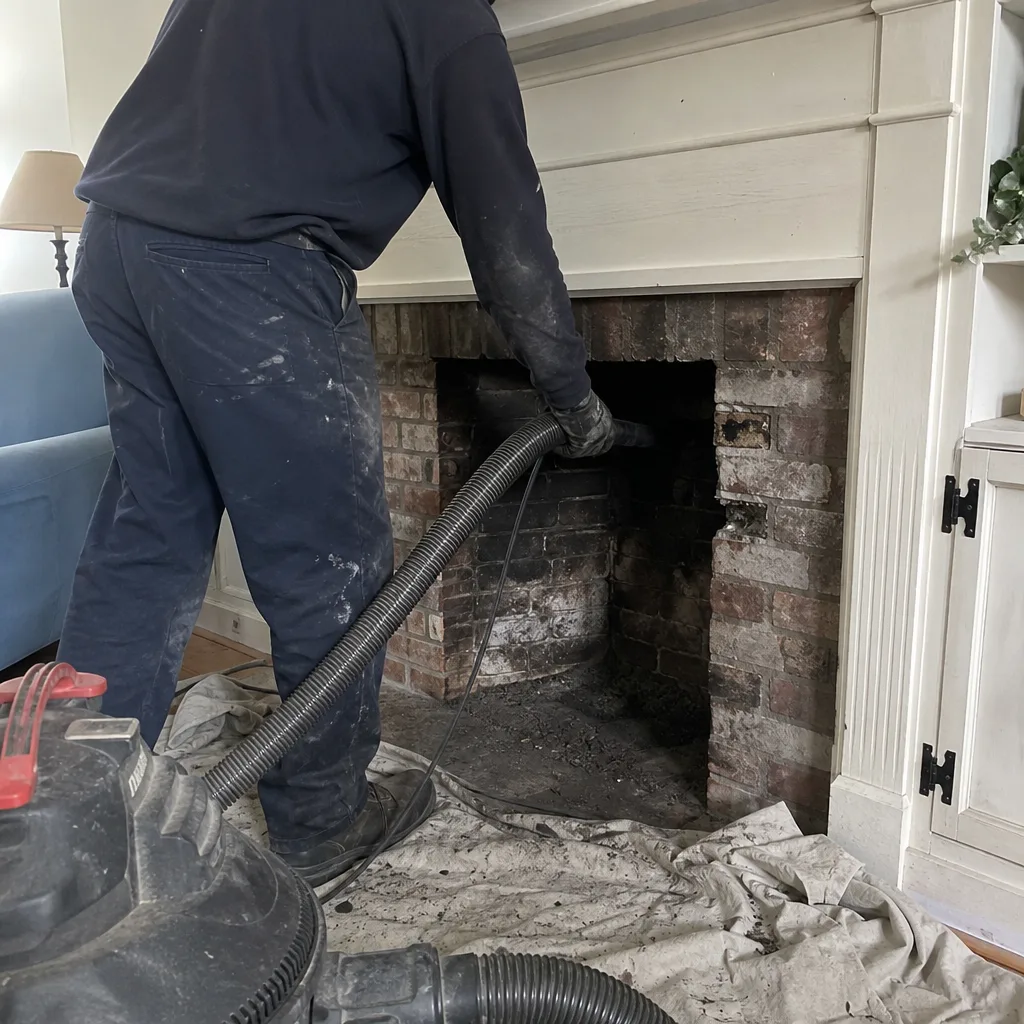 Before
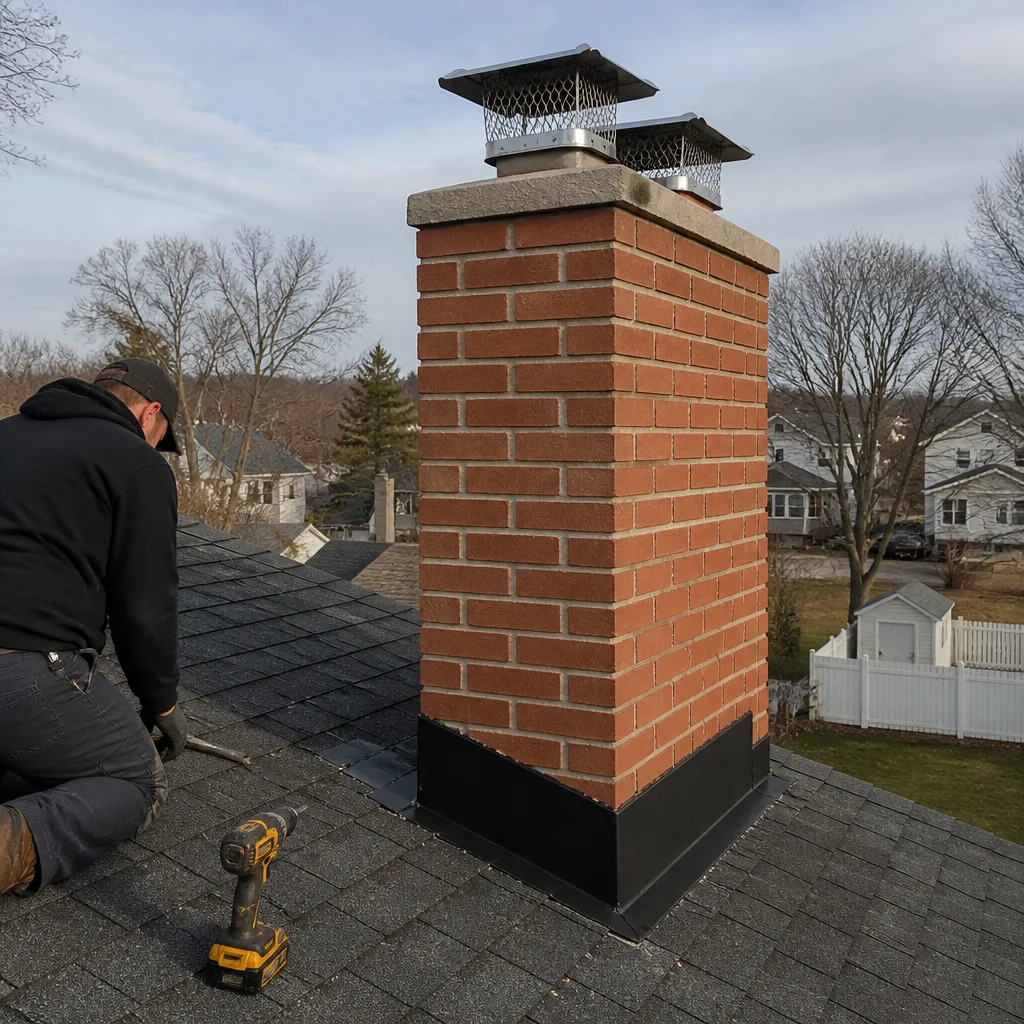 After
After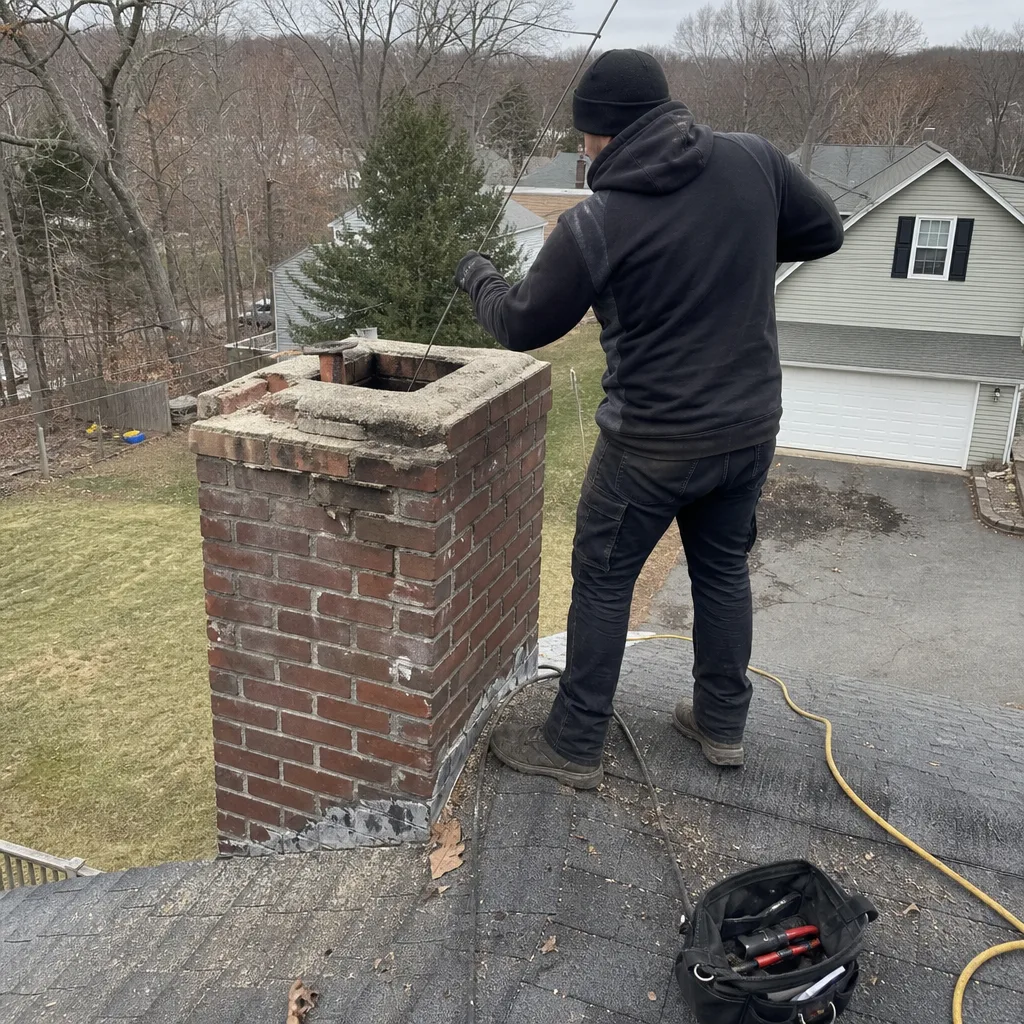 Before
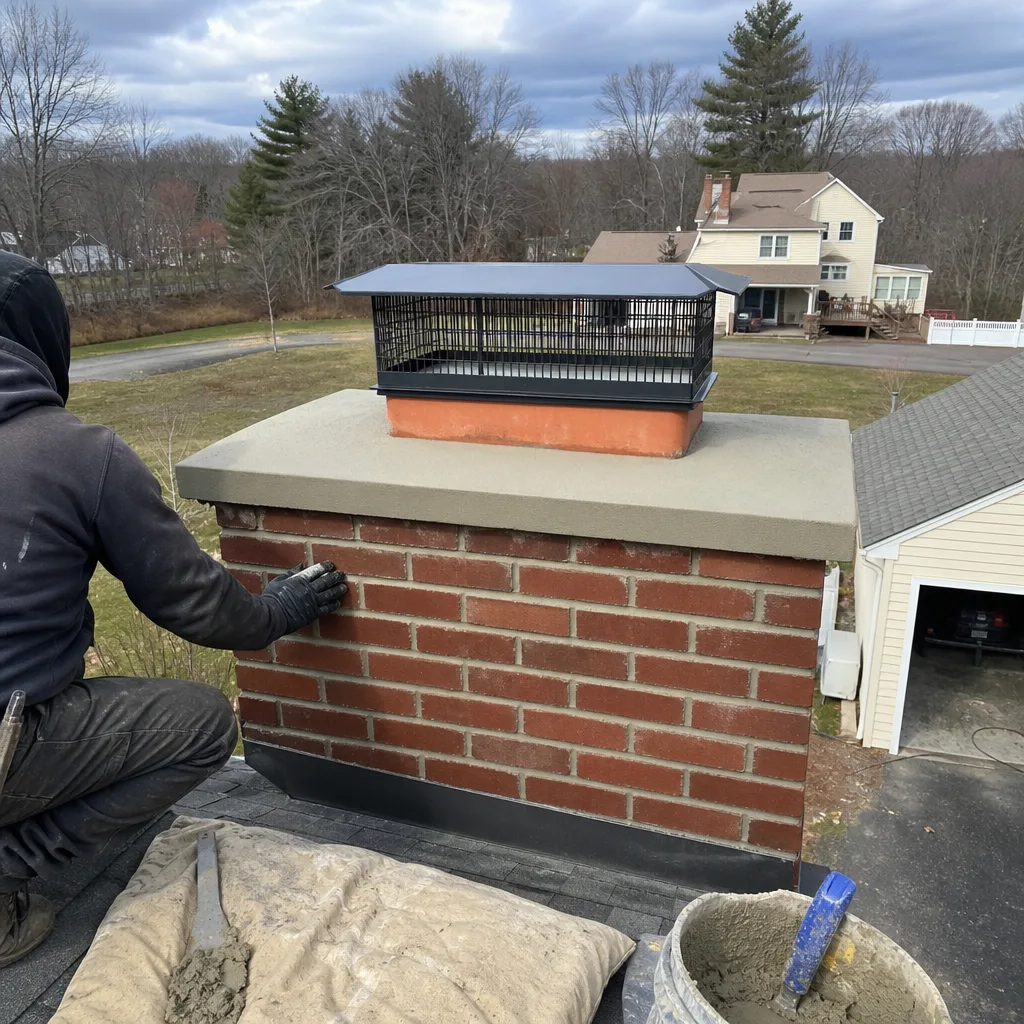 After
AfterChimney Cleaning Permits, Codes & Inspections in MA: What You Need to Know
Here’s a fact most homeowners in Haverhill don’t hear until it’s too late: the chimney cleaning itself almost never needs a permit. The problem is what the sweep finds once they’re up there. A cracked flue tile, a liner pulling away from the masonry, a firebox that’s spalling from twenty years of freeze-thaw cycles, and suddenly you’re not having a cleaning conversation anymore. You’re having a repair conversation. And in Massachusetts, under 780 CMR, that repair usually requires a building permit, pulled by the contractor, not by you. This guide walks through the exact line between permitted and unpermitted chimney work in MA, what NFPA 211 actually says versus what companies claim it says, what Haverhill’s building department expects when liner work is done, and how unpermitted chimney work from a previous owner can surface at the worst possible moment: closing day. For a deeper dive, see our Complete Guide to Chimney Cleaning in Haverhill.
Quick Answer
Routine chimney sweeping and inspection do not require a permit anywhere in Massachusetts, including Haverhill. But any structural repair or replacement work (flue relining, firebox rebuild, crown replacement, chimney reconstruction) falls under 780 CMR and requires a building permit. Your chimney contractor is responsible for pulling that permit, not you, and you should receive a final inspection certificate when the job closes. If your sweep recommends work beyond cleaning, ask whether a permit is required before you sign anything.
Table of Contents
- The Permit Line: Cleaning vs. Repair Under Massachusetts Law
- What NFPA 211 Actually Requires (vs. What Companies Claim)
- Haverhill’s Building Department: What Liner Work Requires
- Unpermitted Chimney Work and Merrimack Valley Real Estate
- Level 1 vs. Level 2 Inspections: What’s in the Report
- Documentation You Should Walk Away With
- Common Mistakes to Avoid
- When to Call a Professional
- Frequently Asked Questions
- The Bottom Line
The Permit Line: Cleaning vs. Repair Under Massachusetts Law
Let’s get the clean answer down first: sweeping your chimney, running a camera up the flue, and writing an inspection report require no permit anywhere in Massachusetts. That’s true in Haverhill, in Boston, in the Berkshires. The Massachusetts State Building Code (780 CMR) treats routine maintenance and cleaning as exempt from the permit process. You can have your chimney swept annually for thirty years and never once interact with City Hall. That is how it should be, and any company that tells you a basic cleaning requires a permit is either misinformed or fishing for a line item.
The line moves the moment the word “repair” enters the conversation. Here is what triggers a permit under 780 CMR and what does not:
- No permit needed: Sweeping, creosote removal, camera inspection, smoke test, minor maintenance like tightening a damper or replacing a rain cap that attaches to the existing crown.
- Permit required: Stainless steel liner installation, flue tile replacement, masonry firebox rebuild, crown reconstruction, chimney re-pointing that affects structural integrity, partial or full chimney rebuild, and any work that changes the venting system’s configuration.
- Gray area worth asking about: Some cities treat chimney cap replacement as maintenance, others as a repair requiring sign-off. Haverhill’s building department is approachable about this, and a quick phone call settles it.
The critical phrase in 780 CMR is “structural or mechanical alteration.” When a clay flue tile cracks and the fix involves removing and replacing it, you have altered the venting system. That alteration affects how combustion gases exit your home. That is precisely the kind of work the code wants inspected, because a botched liner job is not just a draft problem, it is a carbon monoxide risk that happens inside the walls of your house. Your flue doesn’t care how the fire looks. It cares how it breathes.
We have been inside chimneys across Haverhill, Methuen, North Andover, and the surrounding Merrimack Valley since 1999. The single most common misunderstanding we hear from homeowners is that the sweep’s recommendation is the last word. It is not. The building department’s sign-off is the last word on any repair, and that is a protection for you, not a nuisance.
What NFPA 211 Actually Requires (vs. What Companies Claim)
The National Fire Protection Association Standard 211 is the benchmark Massachusetts references for chimney and venting system safety. Here is the straightforward reading of NFPA 211 on inspection schedules: chimneys, fireplaces, and vents shall be inspected at least once a year. That is the entire requirement. Not “twice a year if you burn oak.” Not “every season if you use a wood stove.” Once a year, burn or no burn. Chimneys break in the off-season too.
The standard also says the inspection should take place before any change in fuel type, before a liner is installed or repaired, after any malfunction or fire event, and when the property changes hands. That last point matters if you bought a Haverhill home in the last few years and have never seen a chimney inspection report from the previous owner. NFPA 211 anticipated exactly this situation.
Here is where it gets misused by less scrupulous outfits. Some companies quote NFPA 211 as if it mandates a specific cleaning frequency or a specific level of inspection for every home. It does not. The standard sets a minimum inspection once annually. It distinguishes between a Level 1 inspection (routine, visual, what a sweep does during a standard chimney cleaning visit) and a Level 2 inspection (camera scan of the entire flue interior, required after property transfer, structural changes, or malfunctions). A basic annual visit from a sweep in Haverhill is almost always a Level 1. If a company calls and tells you NFPA requires a Level 2 camera inspection every year, ask them to show you the line in the standard. They cannot, because it is not there.
What NFPA 211 does require is accurate truth-in-reporting: the inspector must document conditions in accessible areas, note any defects that could affect safe operation, and recommend corrective action where warranted. It does not require the inspector to be a salesman. The camera footage and a plain-English verdict, every time, no exceptions. That is the standard, and it is one you should expect from any sweep who comes to your house.
Haverhill’s Building Department: What Liner Work Requires
Haverhill enforces the Massachusetts State Building Code through its own building department, and the process for a permitted chimney liner installation follows a predictable path. When a stainless steel liner goes in, here is what happens, step by step:
- Permit application: The contractor files the permit application with Haverhill’s building department, including the property address, the scope of work, and the contractor’s license and insurance information. This is not optional. Any contractor who suggests “we’ll just do it and you don’t need to worry about permits” is asking you to carry the liability.
- Permit issuance: The building department reviews the application and issues the permit. The contractor must keep it posted onsite during the work.
- Work performed: The liner is installed per the manufacturer’s specifications (this is where brands like DuraFlex and Copperfield matter - their UL-listed installation parameters are part of the code approval) and per NFPA 211 clearances.
- Inspection call: Once the liner is in and the masonry work (if any) is done, the contractor calls for a rough or final inspection. The Haverhill inspector verifies the installation matches what the permit described.
- Certificate of final inspection: The inspector signs off, and you receive documentation that the work was completed and inspected. Keep this. You will need it when you sell the house.
The documentation piece is worth repeating because it is where homeowners get short-changed. At the end of a permitted liner job in Haverhill, you should have in hand: the permit number, the final inspection sign-off, the liner manufacturer’s documentation (showing the liner is UL-listed for your application), and a written warranty or workmanship guarantee from the installer. If the company hands you an invoice and says “you’re all set,” ask for the inspection certificate. Top Hat Chimney does not close a liner job in Haverhill without that certificate in hand, and you should not accept less from anyone.
What About Chimney Caps, Crowns, and Minor Repairs?
Crown repair is another one of those gray zones that varies by how far you take it. Patching a hairline crack with sealant is maintenance. Tearing out the entire crown and re-forming it is a repair, and in Haverhill the building department will want to see it permitted. Smoky the chimney cap: a simple cap replacement is typically maintenance, but if the chase cover is compromised and the cap needs remounting onto new flashing, you have crossed into repair territory. When in doubt, the contractor should call the building department and ask. That is part of what you are paying for.
Unpermitted Chimney Work and Merrimack Valley Real Estate
Here is the scenario we hear about most often from homeowners in Haverhill, Amesbury, West Newbury, and Groveland: the seller’s disclosure form has a box checked for “fireplace or chimney work performed,” the sale goes through, and two winters later the liner fails. The new owner calls a sweep, the camera finds an unpermitted stainless liner that was never inspected, and suddenly the fix is not a liner replacement, it is a structural remediation. By then the seller is long gone and the buyer is holding a five-figure problem.
Massachusetts is a disclosure state, but disclosure is only as good as the seller’s memory and honesty. Unpermitted work creates a specific problem in Merrimack Valley real estate because our housing stock is old, the chimneys are often brick, and excavation or liner work that was done without an inspection often bypassed code clearances or used materials rated for the wrong application. When a buyer’s home inspector flags the chimney, the deal can stall while a Level 2 inspection is performed. If that inspection finds unpermitted structural work, the seller has three choices: fix it correctly and permitted, offer a credit, or hope for a buyer who does not care. The buyers who do not care are becoming rare.
How do you check whether previous owners left you a problem? Start with the Haverhill building department. Pull the permit history for your address. It is a public record, and the department will show whether any chimney permits were ever issued. If the liner or repair exists but no permit does, you have found an issue worth investigating. A Level 2 camera inspection will tell you whether the install was done to code. If it was not, you now know before it becomes a carbon monoxide problem or a closing-date problem.
Level 1 vs. Level 2 Inspections: What’s in the Report
NFPA 211 defines three inspection levels, and the difference between Level 1 and Level 2 is the source of more homeowner confusion than any other topic. Here is the plain-English breakdown:
- Level 1 inspection: This is what happens during a standard chimney sweep visit. The sweep examines the readily accessible portions of the chimney, the flue, the damper, the firebox, and the exterior when it can be reached from the ground or a low ladder. No camera, no demolition, no special equipment beyond the sweeping tools. This is sufficient when the chimney is being used exactly as it has been and nothing has changed.
- Level 2 inspection: This involves a camera scan of the entire flue interior, plus inspection of the attic, crawlspace, and other accessible areas around the chimney. NFPA 211 specifies this level after property transfer, after a chimney fire, after a seismic event, after a fuel conversion, or when the system is being changed in a way that affects venting. A Level 2 produces a report with photos and film footage.
- Level 3 inspection: This is the invasive one. It may involve opening walls, removing masonry, or dismantling portions of the chimney to access concealed areas. It is rarely needed, and only after a Level 2 reveals something that warrants it.
When you sell a house in Haverhill, the buyer’s inspector will often note the chimney without a camera scan. If the buyer requests a Level 2 inspection, expect the report to include timestamped video of the full flue interior, notes on any cracks or voids, and a written recommendation on whether the chimney is safe for use. That report costs more than a cleaning and it should. It is photographic evidence, not opinion. The camera footage and a plain-English verdict: every time, no exceptions.
Documentation You Should Walk Away With
After any chimney service, permitted or not, you should leave the job with documents. After a permitted repair in Haverhill, you should leave with more. Here is the complete list of what a properly documented chimney project produces:
- Cleaning invoice that notes the date, the amount of creosote removed, and any conditions observed.
- Inspection report with photos or camera stills from the flue, if a camera was run.
- Written estimate for any recommended work, signed by the sweep, with a clear scope of work.
- Permit application showing the building department’s file number.
- Final inspection certificate from the Haverhill building department after the repair or liner job closes.
- Manufacturer documentation for any products installed (DuraFlex liner, Copperfield cap, HeatShield resurfacing, Gelco crown coating).
- Written warranty or guarantee covering both the materials and the workmanship. Top Hat Chimney’s is the 90-Day Done Right Promise: if the work is not right, one call brings Wendell back at no additional cost.
If any contractor in Massachusetts tells you that permits are “not really needed” for a liner or other structural work, that is your signal to find another company. The building department exists to protect you. A contractor who avoids it is quietly transferring risk onto your shoulders.
Common Mistakes to Avoid
- Assuming the cleaning company is responsible for everything. Your sweep is responsible for recommending the right work. Your contractor is responsible for pulling the permit. You are responsible for asking whether the permit exists. These are three different jobs held by two people.
- Paying for a permit that no one can produce. Some companies charge a permit fee and never file. Ask for the permit number and the building department’s confirmation. If it does not exist, you paid for nothing.
- Treating a chimney fire as a one-time event. If you have had a chimney fire, even a small one, you need a Level 2 inspection. Heat events degrade masonry and liner materials faster than years of normal burning. First-degree creosote is a brush job. Third-degree is a glaze: catch it early.
- Skipping the camera scan when buying a house. A home inspection alone will not reveal a cracked flue lining. In Haverhill’s older housing stock, this is the single most common reason a new homeowner is caught off-guard in year two.
- Believing that “annual cleaning” equals “annual safety inspection.” A basic cleaning does not include the comprehensive condition check a Level 1 inspection provides. Ask specifically whether the service includes an inspection per NFPA 211.
- Not keeping the documentation. That final inspection certificate is not filing cabinet decor. When you sell your Haverhill house in ten years, it may make the difference between a smooth closing and a buyer’s holdback.
When to Call a Professional
You should call a chimney professional any time you cannot see the entire flue interior with your own eyes, or any time you observe something that was not there last year. Spalling bricks on the exterior, a damper that does not seat, smoke entering the room, a burnt smell even weeks after the last fire, or the visible presence of creosote beyond a thin, flaky film all warrant a call. If you just bought a house in the Haverhill area and have no chimney documentation, consult our Chimney Cleaning & Sweep Maintenance Checklist for Haverhill Homeowners and schedule a Level 2 inspection this year, not next. If you are selling, having the inspection report and permit history ready before the listing goes up is the cheapest transaction insurance you will ever buy. Ask anyone on your street. Top Hat Chimney offers free estimates in Haverhill: call (978) 724-7935.
Frequently Asked Questions
No. Routine chimney cleaning and sweeping require no permit anywhere in Massachusetts, including Haverhill. Permits are triggered by repair or structural work, such as liner installation, firebox rebuilds, or chimney reconstruction. Call (978) 724-7935 if you are unsure where your project falls.
Once a year, every year, whether you burn frequently or not. NFPA 211 sets the minimum annual inspection standard, and Massachusetts references that standard. Chimneys break in the off-season too. A Haverhill home that skips inspections for five years is far more likely to develop liner or masonry problems than one that receives an annual checkup.
A standard sweep’s report is visual and limited to accessible areas. A Level 2 inspection adds a camera scan of the entire flue interior plus the attic and crawlspace, and it is required after property transfer, chimney fires, and fuel conversions. The camera report gives you evidence, not opinion.
Not always. A hairline crack in a clay tile may be sealable with a product like HeatShield, while a failed stainless liner may require full replacement with a DuraFlex system. The key is to see the camera footage yourself and have the recommendation explained in plain English. Any company that insists you cannot see the footage is not one you want writing an estimate.
Call the Haverhill building department and pull the permit history for your address. If chimney-related work was done but no permit exists, schedule a Level 2 camera inspection. That will tell you whether the work was done to code and what, if anything, needs correcting. Unpermitted liner and structural work is often discovered at closing, not before.
Pricing varies by liner material, chimney height, and access, but a properly permitted stainless liner installation in Haverhill typically falls in the $3,500 to $7,500 range for a complete reline, with documentation inclusive of the permit fee. Get a written, itemized estimate before work starts, and be suspicious of any quote that does not include a permit line item. Call (978) 724-7935 for an exact quote in Haverhill.
Heads up: Top Hat Chimney never recommends a $7,500 liner job when a $400 crown seal and a $200 cap will solve the problem. The number you hear on the phone is the number on the invoice.
The Bottom Line
Chimney cleaning in Massachusetts does not require a permit. Chimney repair usually does. The line between the two is not a bureaucratic technicality, it is the difference between work that is inspected and documented and work that quietly transfers risk onto the next homeowner. If you own a home in Haverhill or the wider Merrimack Valley, keep your chimney on an annual cleaning and inspection schedule, pull the permit history when you buy, demand documentation when you sell, and never accept a repair recommendation without seeing the camera footage yourself. Your flue does not care how the fire looks. It cares how it breathes. And the best way to keep it breathing right is to know the code, know your permit, and know when to call. Top Hat Chimney is at Top Hat Chimney home, and you can reach us at (978) 724-7935 any time. For cleaning and sweeping work, see Chimney Cleaning & Sweep in Haverhill. For repairs, Chimney Repair in Haverhill. And for the firebox to the mantel, Fireplace Services in Haverhill.
Written by Wendell Pike, Owner at Top Hat Chimney, serving Haverhill since 1999.