
Last updated September 10, 2026
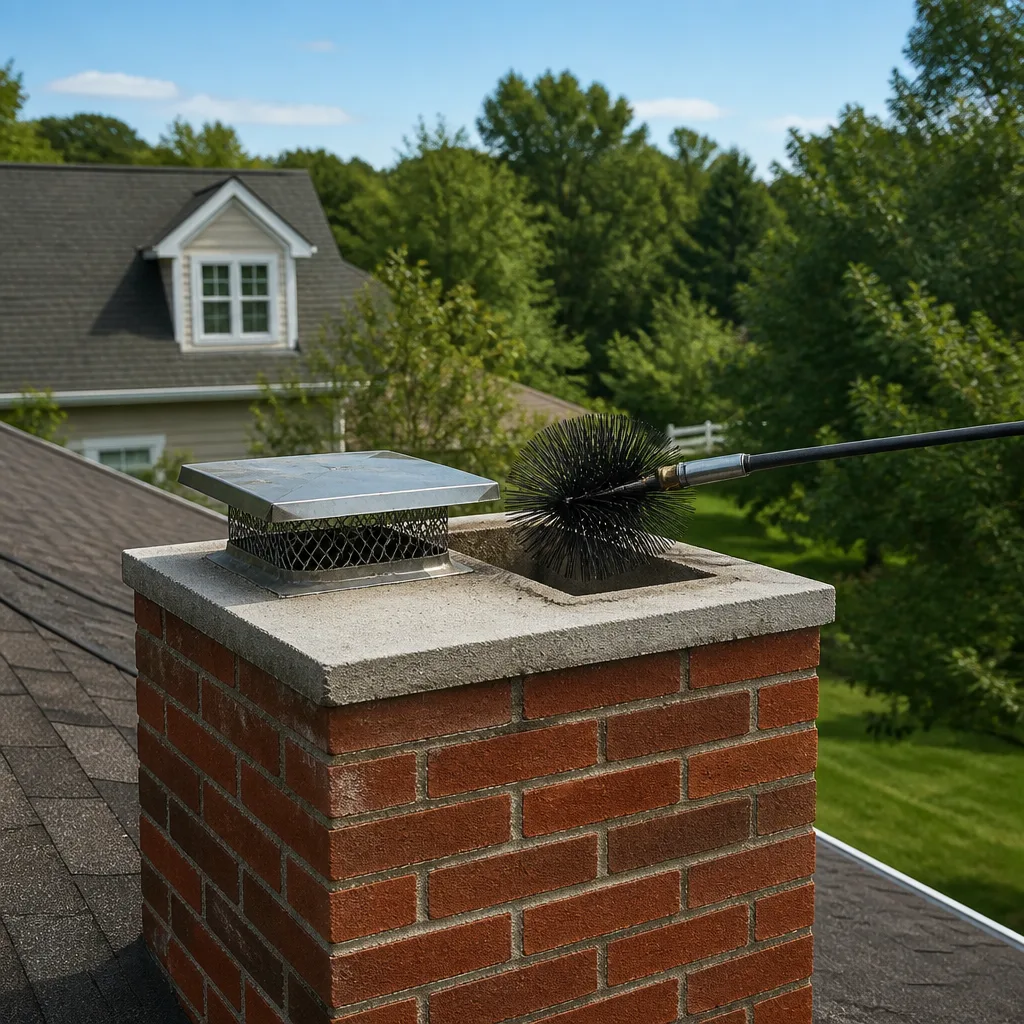
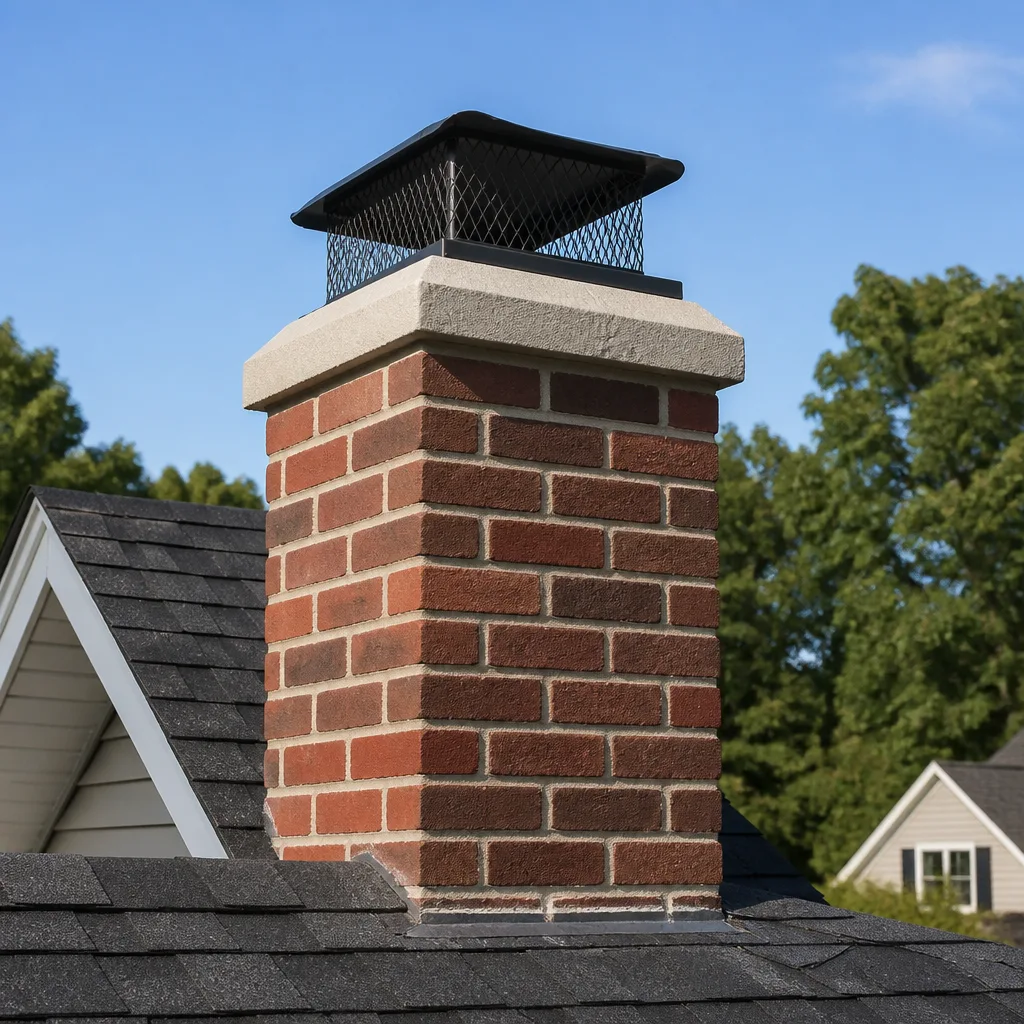
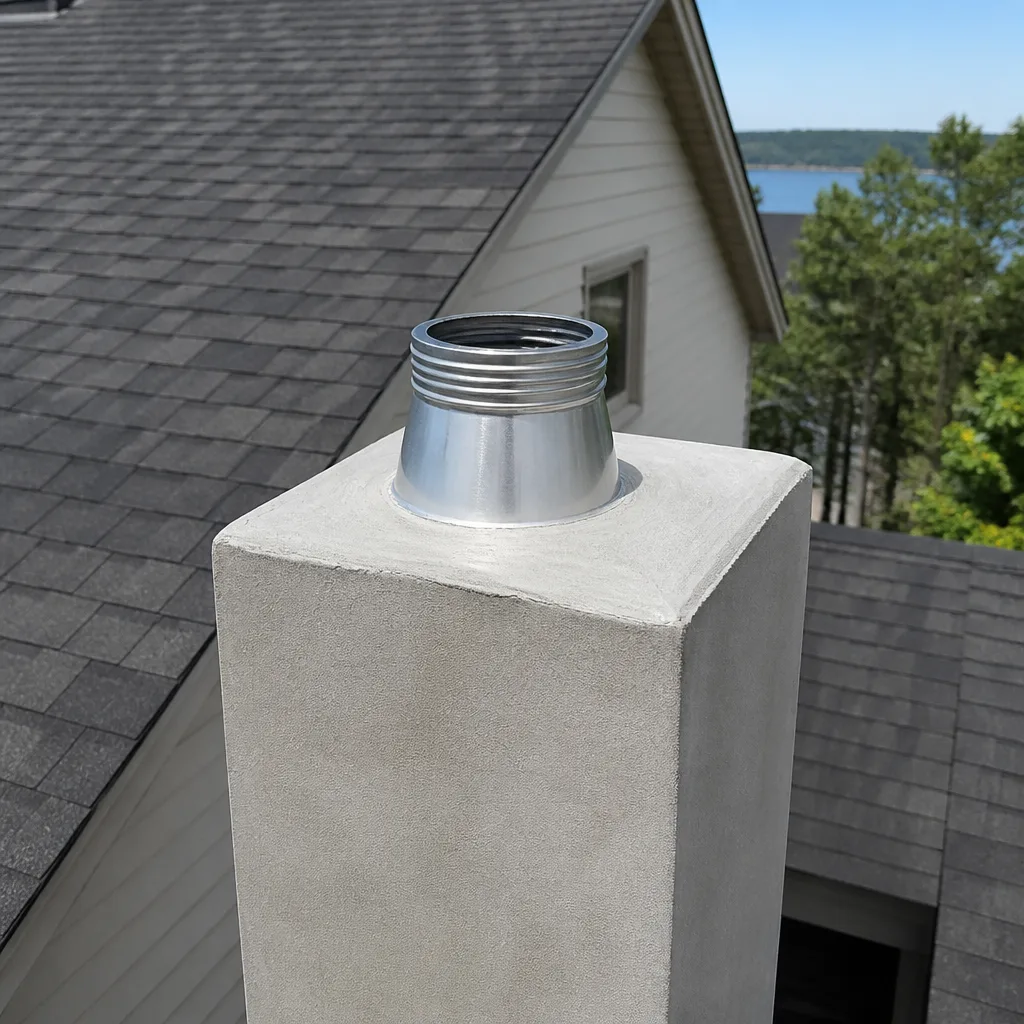
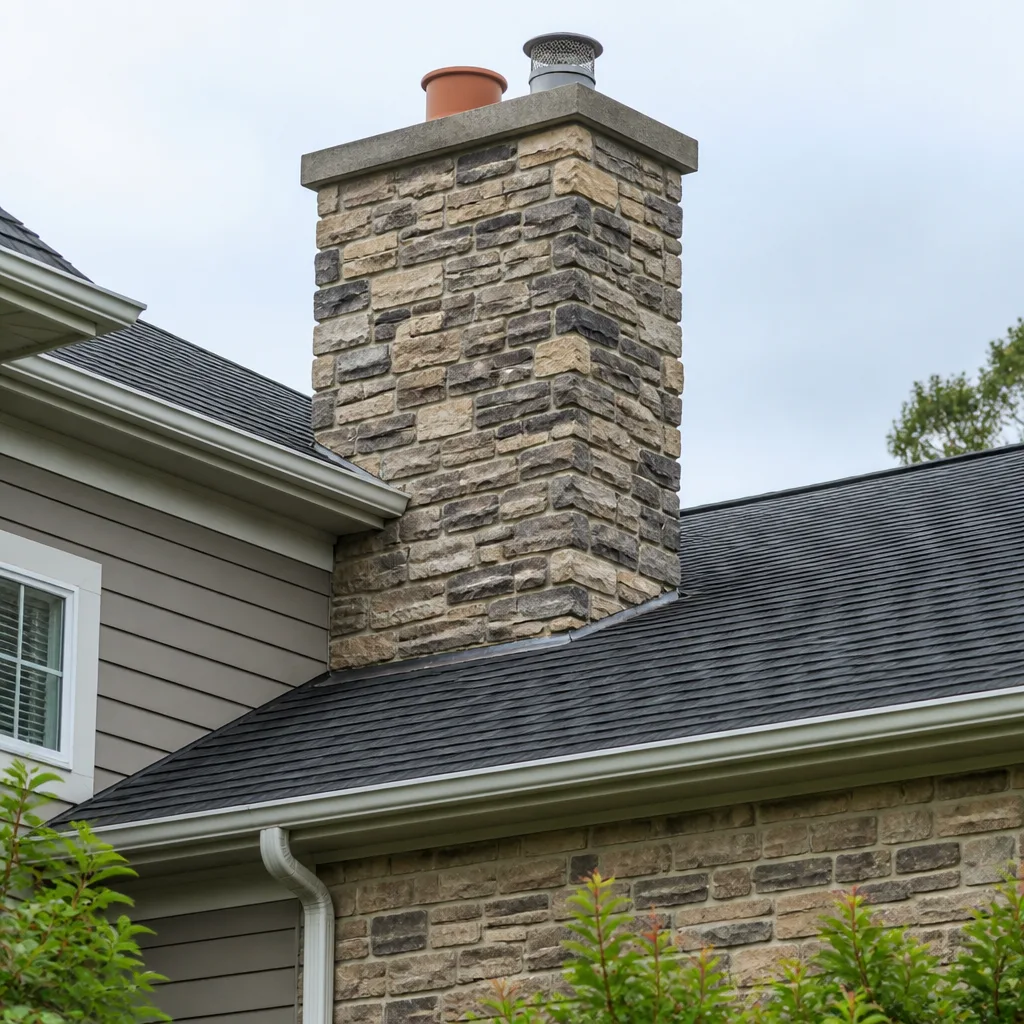
Level 1 sweep and inspection to the NFPA 211 annual standard - flue, crown, cap, and flashing checked and photographed
Chimney sweep logs do not sweep chimneys. They loosen some creosote - which then falls where a brush and vacuum still have to collect it.
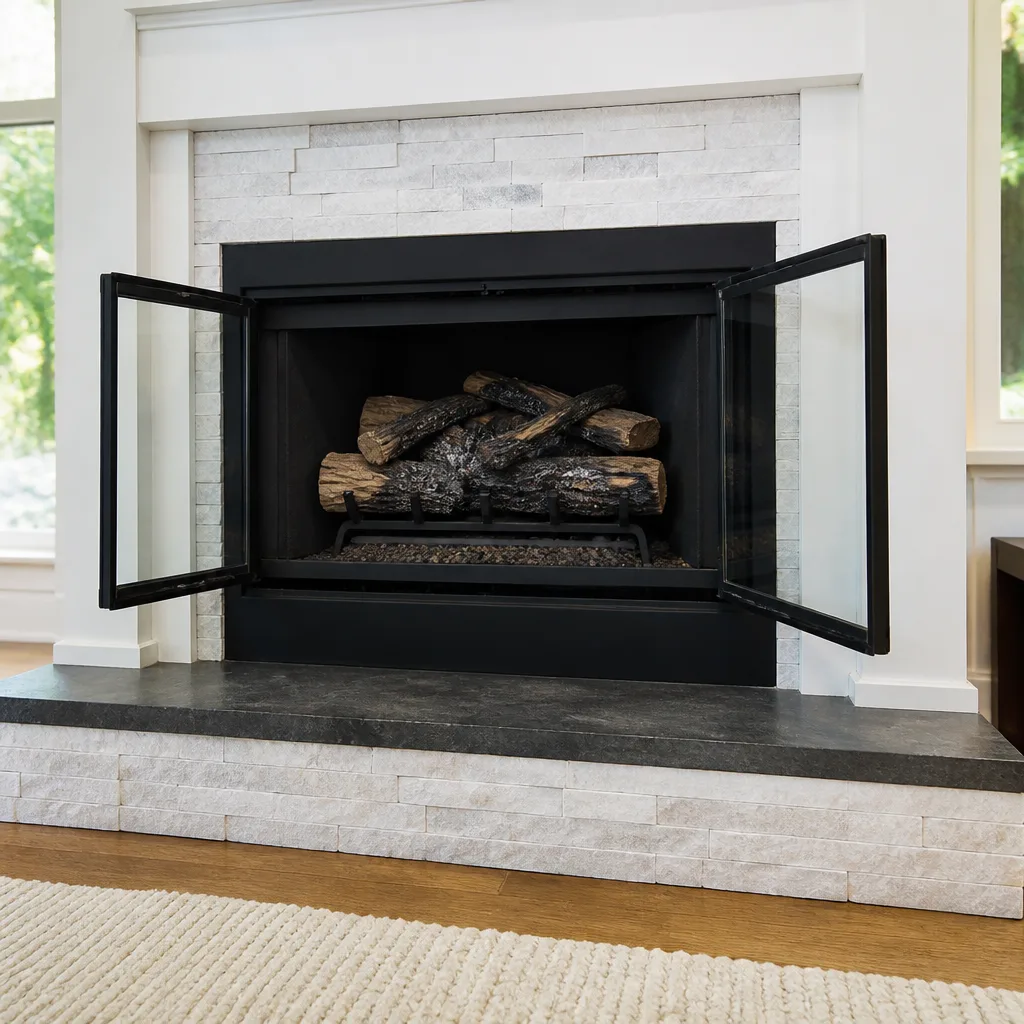
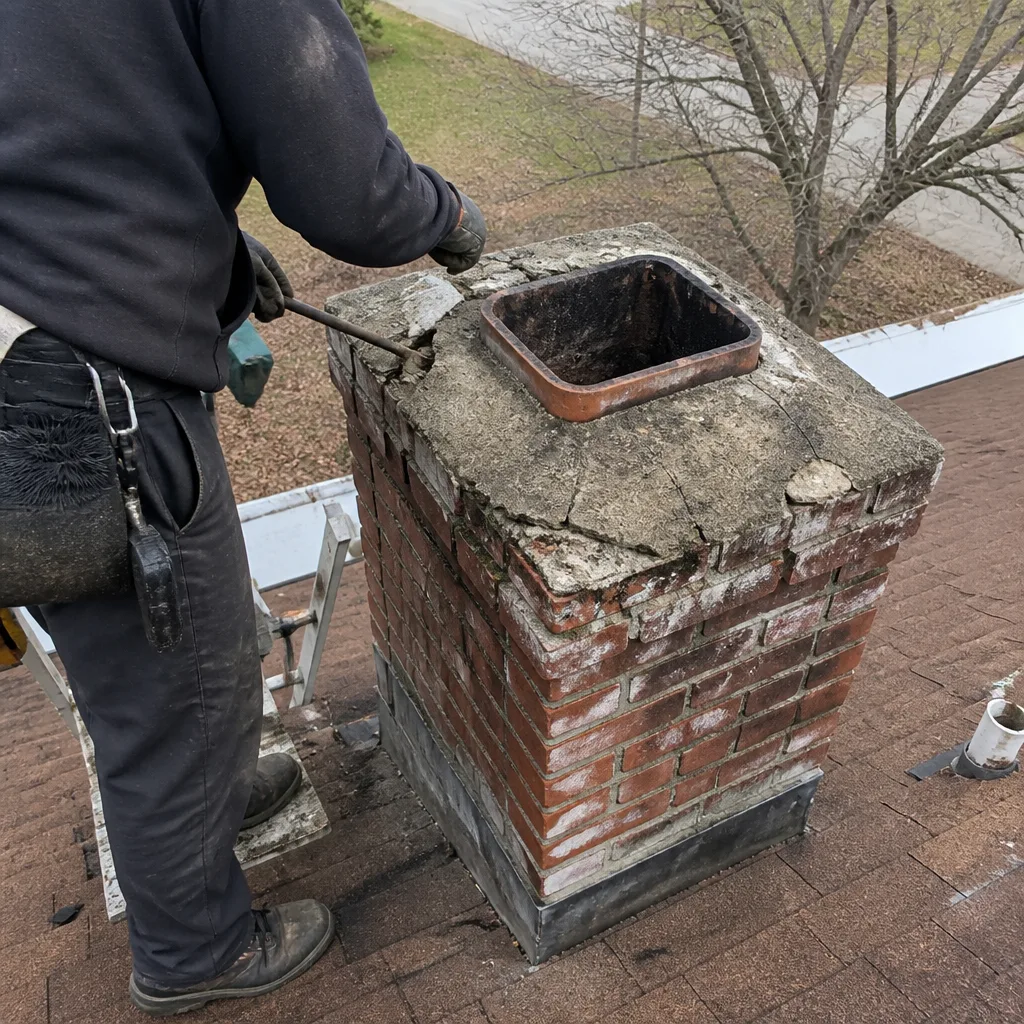 Before
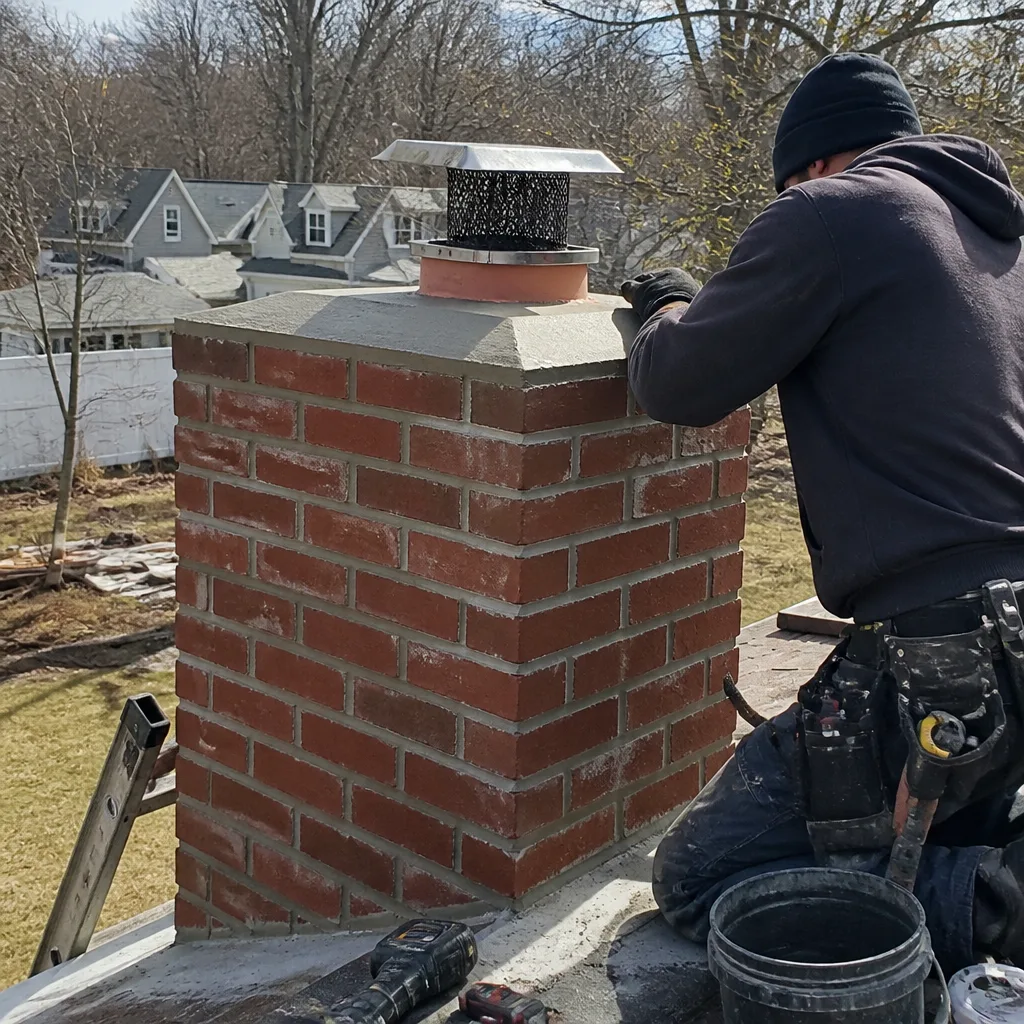 After
After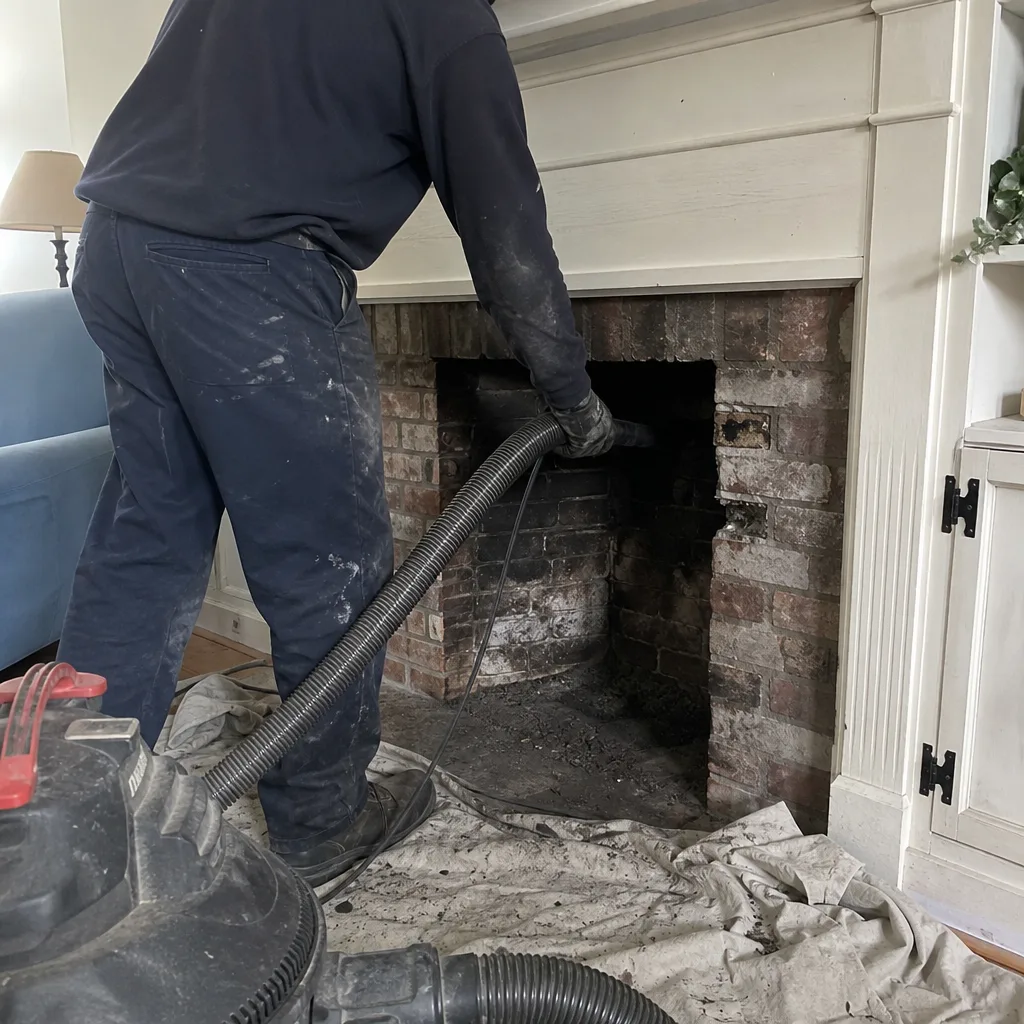 Before
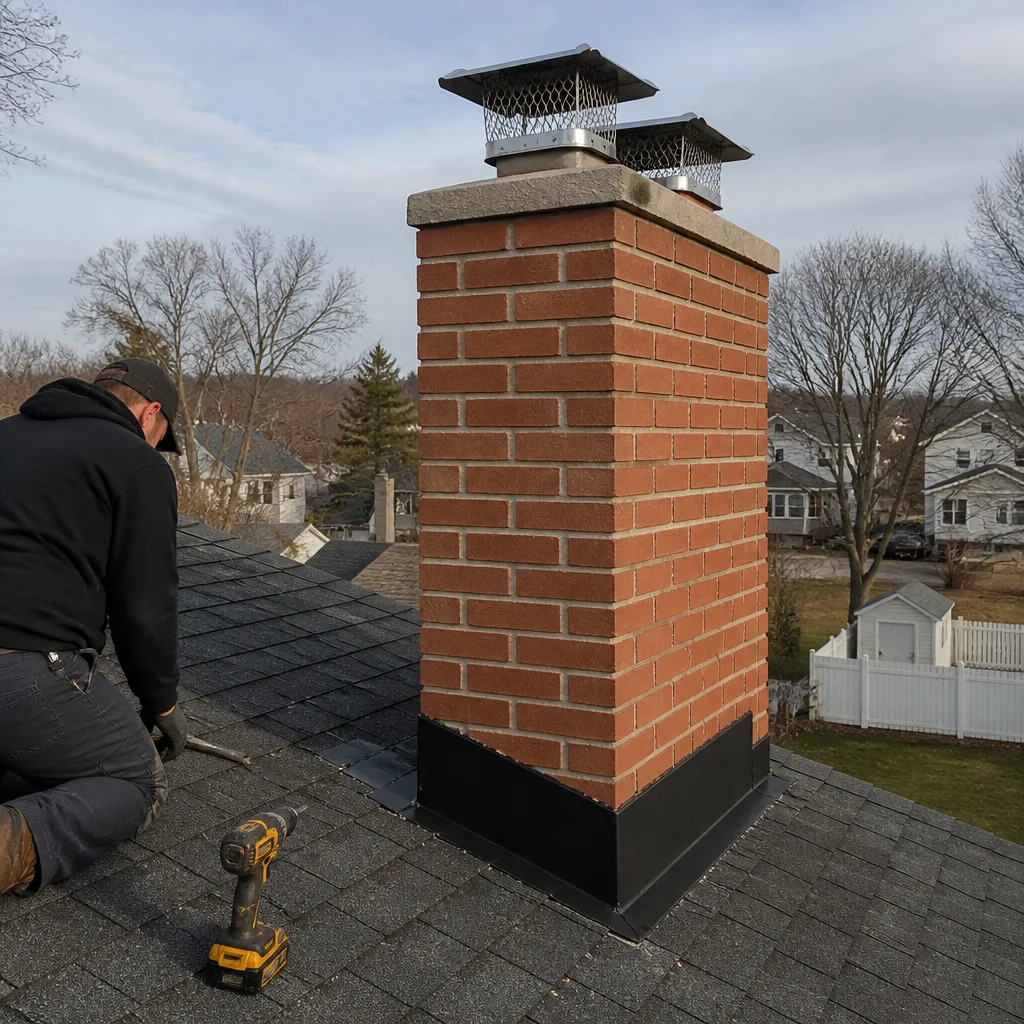 After
After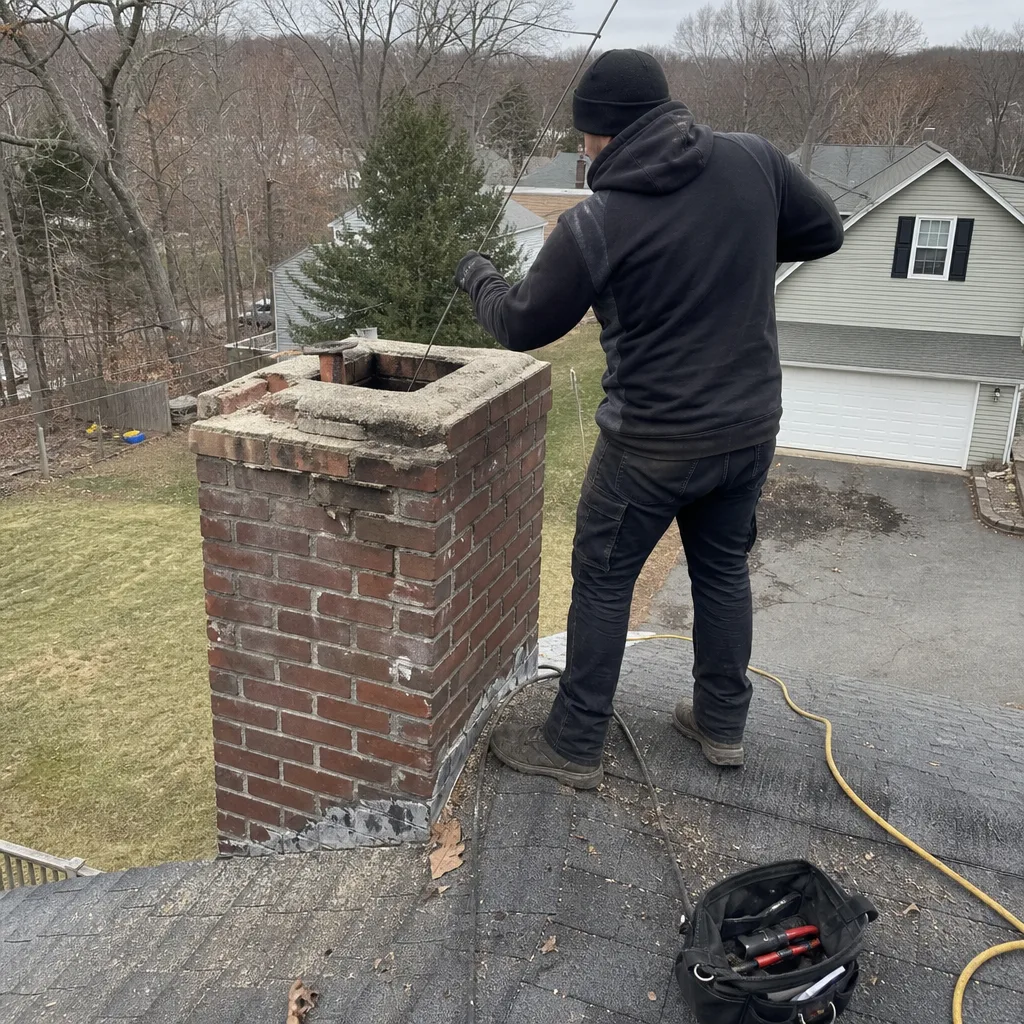 Before
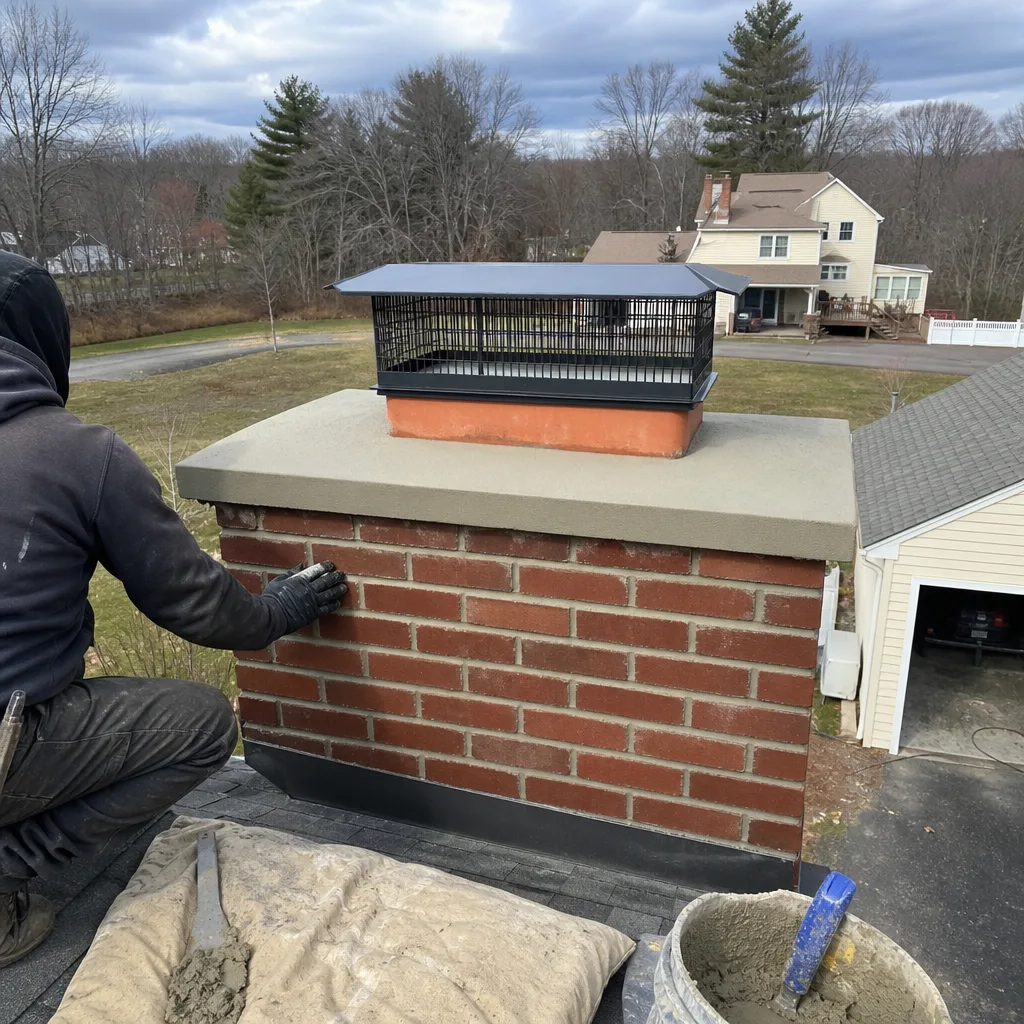 After
AfterChimney Cleaning Warning Signs: A Haverhill Homeowner’s Reference Guide
A chimney fire doesn’t always sound like a fire. Some burn slow and quiet, detectable only by a faint crackling in the flue or a stronger-than-usual heat from the fireplace face, and homeowners who don’t know that can sit through one thinking everything is fine. This guide will teach you to read the signs your chimney gives off before they become expensive problems, and you can find more guides & resources on our blog. We’ll cover what a healthy chimney should look, smell, and sound like, and then walk you through the warning signs that tell you it’s time to call a sweep in Haverhill before burning season arrives.
Quick Answer
The clearest warning signs your chimney needs attention in Haverhill are a tar or creosote smell that lingers when the fireplace isn’t burning, a crackling or popping sound coming from inside the flue during a fire, flaking brick or white staining on the chimney’s exterior that wasn’t there last year, and a damper that won’t open or close smoothly. Any one of these warrants a professional inspection and cleaning from a qualified chimney sweep, as covered in The Complete Guide to Chimney Cleaning in Haverhill. The cost of a sweep is a fraction of what you’ll pay for a liner rebuild after a chimney fire.
Table of Contents
- What a Healthy Chimney Should Look, Smell, and Sound Like
- The Slow-Burn Chimney Fire: What It Actually Feels Like in Your Living Room
- The Tar Smell in July: What Creosote Odor During Non-Burning Months Really Means
- Efflorescence vs. Aging: How to Read White Staining on Your Haverhill Chimney
- Damper and Firebox Signs That Point to Specific Problems
- Monitor, Schedule, or Stop: A Simple Decision Framework
- Common Mistakes to Avoid
- When to Call a Professional
What a Healthy Chimney Should Look, Smell, and Sound Like
Before you can spot a warning sign, you need a baseline. A healthy chimney in a Haverhill home does three jobs quietly: it draws smoke up and out, it keeps rain and animals from getting in, and it contains the heat of the fire without transferring it to the wood framing around it. When those three jobs are being done well, you’ll notice almost nothing. No smell. No sound. No draft when the fire is out. The brick or stone on the outside may be weathered, but it won’t be flaking or crumbling. The mortar joints will be intact, not powdery or recessed.
Inside the firebox, a thin layer of ash is normal. What you don’t want to see is a shiny, black, tar-like coating on the walls of the firebox or the damper. That’s not ash. That’s creosote, and it’s the single most important sign to recognize. A healthy chimney after a sweep will show bare firebrick and a damper that opens and closes with a firm but smooth motion. If you hear wind whistling down the flue on a breezy Haverhill afternoon, that’s normal too, though it should stop when the damper is closed properly.
Here’s a practical baseline checklist for the start of each burning season:
- Visual check: Firebrick is tan or reddish-brown, not black and glassy. No cracks wider than a dime in the firebox floor.
- Smell check: On a warm day with no fire, put your nose near the fireplace opening. You should smell nothing, or at most a faint, dry, dusty scent.
- Sound check: During a normal fire, you hear wood popping in the firebox. You should not hear crackling or ticking from inside the wall or above the damper.
- Draft check: Light a match, blow it out, and hold it near the open damper. The smoke should drift up into the flue, not into the room.
None of these checks replace a professional chimney cleaning in Haverhill, but they’ll tell you when something has changed. The moment your chimney stops being quiet and smells like nothing, start paying attention.
The Slow-Burn Chimney Fire: What It Actually Feels Like in Your Living Room
Most people picture a chimney fire as a dramatic event: flames shooting out the top, a roar like a freight train, neighbors calling 911. In our experience, that’s the minority of chimney fires. The far more common kind is a slow-burn creosote fire that smolders inside the flue, sometimes for hours, often unnoticed. It doesn’t roar. It ticks. It doesn’t shoot flames. It radiates heat into the wall. And it does structural damage every minute it burns.
Here’s what a slow-burn chimney fire actually sounds like in a Haverhill living room: a faint crackling or popping that seems to come from inside the wall, not from the firebox. It’s easy to mistake for the sound of burning wood, except it’s higher up, behind the plaster, and it doesn’t stop when you stir the logs. Some people describe it as a light tapping or the sound of gravel trickling down the flue. If you put your hand on the wall above the fireplace and it feels warm to the touch after the fire has been burning for twenty minutes, that’s a red flag. A properly functioning chimney keeps that heat inside the flue liner. When the liner is cracked or the creosote inside it has ignited, heat transfers into the masonry, and from there into the house framing.
There’s a smell too. A hot, acrid, almost chemical odor. Not wood smoke. More like hot tar or burning asphalt. That’s the creosote itself burning, and it’s a smell you’ll remember once you’ve encountered it. In older Haverhill homes with balloon framing, a slow-burn chimney fire is especially dangerous because there are no fire stops in the wall cavities. An unnoticed smolder can travel upward inside a wall for hours before it finds enough oxygen to flame.
The difference between a normal fire and a slow-burn chimney fire comes down to location and intensity. A normal fire pops in the firebox, where you can see it. A chimney fire crackles in the flue, where you can’t. A normal fire heats the room. A chimney fire heats the wall. If you notice either of those things, stop using the fireplace immediately and call a certified sweep. Do not open the damper wider. Do not throw water on the fire. The goal is to cut off oxygen and let it burn out, then have the flue inspected before another fire is lit.
Here’s how to tell the difference, step by step:
- Locate the sound. Stand in front of the fireplace and listen. Wood fire sounds come from the firebox at knee height. Chimney fire sounds come from above the damper, inside the wall. If you’re not sure, press your ear against the wall next to the fireplace.
- Check the wall temperature. After the fire has been going 20 minutes, place your palm flat on the wall above the mantel. Warm is acceptable. Hot to the point you pull your hand away is not.
- Note the smell. Wood smoke smells like a campfire. Burning creosote smells like hot tar or asphalt. If the smell in the room changes from the first to the second, that’s a warning.
- Stop and call. If any of those signs are present, let the fire burn out without adding wood, keep the damper closed as much as possible, and have the chimney inspected before the next use.
The good news is that creosote that gets caught and swept early is just a chore. Creosote that burns is a structural problem. That’s the whole game. Once a year, burn or no burn. Chimneys break in the off-season too.
The Tar Smell in July: What Creosote Odor During Non-Burning Months Really Means
Here’s a scenario we hear regularly from homeowners in Haverhill: it’s August, the fireplace hasn’t been used since March, and yet the living room occasionally smells like a hot parking lot. That’s the tar smell of creosote off-gassing, and it’s not normal. It’s a sign that creosote deposits inside the flue are thick enough to emit odor even at room temperature, and it’s one of the most reliable early warnings that a chimney needs cleaning before the next fire.
Creosote forms in three stages. First-degree is a loose, sooty powder that brushes off easily. Second-degree is crunchy, flaky deposits that look like burnt cornflakes. Third-degree is a hard, shiny glaze, sometimes an inch thick, that requires chemical treatment or mechanical removal. The tar smell you get in July is typically second- or third-degree creosote, and it means the flue has more buildup than a routine brushing will comfortably handle.
There’s a related but different smell worth knowing about: the smoky odor that appears when it rains. That one is more common, and here’s the difference. Rain smell is caused by water entering the flue, wetting the creosote, and sending a damp, smoky smell down into the house. The tar smell happens on dry days, when the air is warm and the creosote itself is releasing volatile compounds. Both are worth investigating, but the tar smell is the more urgent of the two because it tells you the creosote load is already significant. Rain smell says you have a moisture issue. Tar smell says you have a creosote issue. One is structural, one is combustible.
If you smell tar in the summer in your Haverhill home, here’s what to do:
- Don’t burn. A hot fire on top of third-degree creosote is exactly how slow-burn chimney fires start.
- Close the damper and consider a draft blocker. The smell is coming from the flue, and a sealed damper helps keep it out of the living space until you can get it addressed.
- Schedule a cleaning. A certified sweep can assess whether it’s second-degree buildup or a glazed third-degree deposit, and can treat it accordingly. At Top Hat Chimney, we’ll show you the camera footage before we tell you what needs doing, and we’ll tell you plainly if the fix is a simple sweep or something more involved.
Your flue doesn’t care how the fire looks. It cares how it breathes. If it’s off-gassing tar smells in July, it’s telling you it can’t breathe well, and that’s a call you want to make before the first cold snap in October.
Efflorescence vs. Aging: How to Read White Staining on Your Haverhill Chimney
White staining on a brick chimney is one of the most misunderstood signs in home maintenance. Haverhill homeowners see it and either panic or ignore it, depending on who they ask. The truth is more nuanced, and learning to read the staining tells you where water is getting in and how serious the problem is.
Efflorescence is a white, powdery deposit that forms when water migrates through the masonry, dissolves soluble salts inside the brick or mortar, and carries them to the surface. When the water evaporates, the salts stay behind as a white film. Efflorescence itself is not structural damage. It’s a symptom of water movement. The question is where the water is coming from, and the location of the stain gives you that answer.
A white stain concentrated near the top of the chimney, around the crown, usually means the crown is cracked or improperly overhanging, and rain is soaking into the masonry from above. A stain near the roofline, especially on the sides, often points to a failing flashing joint where the chimney meets the roof. A stain lower down, toward the base, suggests water wicking up from a failed footer or a saturated foundation drain. In Haverhill, where we get hard freeze-thaw cycles from November through March, water that saturates brick and then freezes does real damage. The ice expands, the faces of the brick pop off, and what started as efflorescence becomes spalling, which is the flaking and crumbling you see on older chimneys around town.
Here’s how to read what you’re seeing:
- White, powdery, and easily brushed off. That’s active efflorescence. Water is moving through the masonry. Find the entry point.
- White, crystalline, and hard. The water has been moving for a long time. The salts have built up into a crust. The moisture problem is not new.
- Flaking or crumbling brick with white edges. That’s spalling, which is beyond efflorescence. The brick faces are failing, and you’ll likely need tuckpointing or brick replacement.
- Staining that’s consistent on all four sides. That usually means the water is coming down from the top, through a failed crown or cap.
- Staining on one side only. That points to a flashing issue or a gutter that’s pouring water onto that face of the chimney.
If you’re not sure whether the staining is old or active, the simplest test is to brush a small area with a dry nylon brush. If it returns within a few weeks, the water source is still active. If it stays gone, it may be old staining from a problem that was already fixed. In either case, if you’re seeing white staining on your chimney in Haverhill and you can’t identify the source with confidence, it’s worth having a professional take a look. The repair for a cracked crown is a few hundred dollars. The repair for a chimney that’s been soaking up Haverhill winters for a decade is a full rebuild. Catch it while it’s white dust, not missing brick.
Damper and Firebox Signs That Point to Specific Problems
Most homeowners look at the outside of the chimney. The professionals look at the firebox and the damper, because that’s where the specific problems announce themselves. If you know what to look for, you can spot trouble without any expertise.
The damper that won’t seat fully. A damper’s job is to close tightly when the fireplace isn’t in use. If it doesn’t, you’re losing conditioned air up the flue in summer and letting cold air down in winter. A damper that won’t close can be the result of warping from heat, rust from rain entering the flue, or creosote buildup on the damper plate and seating edge. If you can see daylight around the edges of a closed damper, it’s not seating. That’s a specific, fixable problem, and it’s usually not an expensive one. But don’t ignore it. A poorly seated damper in a Haverhill winter acts like an open window you can’t close.
Spalling firebrick in the firebox. Firebrick is the liner of the firebox, the part that takes the direct flame. Over years of heating and cooling, and especially if water has been entering the flue and dripping down onto hot firebrick, the face of those bricks can flake off. That’s spalling, just like on the exterior, but inside the box. A few hairline cracks are normal. Missing chunks or bricks you can wiggle with a poker are not. Spalled firebrick no longer protects the masonry behind it from direct heat, and if it’s bad enough, you can have heat transferring into the structure of the house.
White residue on the smoke shelf. The smoke shelf is the horizontal ledge just above the damper, behind the lintel. You can’t see it without a mirror or a camera, but it’s one of the first places creosote accumulates. White or gray fluffy deposits on the smoke shelf are almost always light creosote, and they tell you that the flue drafting has been too cool or too smoky to carry those particles all the way up. It’s not an emergency by itself, but it’s a sign the chimney isn’t drafting as well as it should, and it’s where the heavier buildup begins. First-degree creosote is a brush job. Third-degree is a glaze. Catch it early.
Here’s what each of these signs points to, in a quick reference:
- Damper won’t seat. Look for warping, rust, or creosote buildup. Fix: clean and adjust, or replace the damper plate. Usually a one-visit job.
- Spalled firebrick. Look for missing chunks or loose bricks. Fix: replace the damaged firebrick. Don’t ignore it, because behind that brick is your house.
- White residue on the smoke shelf. Look for fluffy deposits just above the damper. Fix: a professional sweep and a draft assessment. It’s a warning that the flue needs cleaning and possibly a draft correction.
- Glass doors that soot over quickly. Look for a brown or black film on glass doors after just a few burns. That’s incomplete combustion, usually from wet wood or poor airflow. It will build creosote faster.
If you’re seeing any of these in your Haverhill fireplace, a good next step is a professional fireplace inspection in Haverhill. Wendell Pike has been in and out of Chimney fireboxes since 1999, and the camera footage and a plain-English verdict come with every inspection. No exceptions.
Monitor, Schedule, or Stop: A Simple Decision Framework
Most people don’t need long explanations of masonry chemistry. They need to know what to do about what they’re seeing. Here is a plain decision framework that covers the common situations.
Monitor: Things you watch but don’t act on immediately. A little efflorescence that comes and goes with the seasons. A hairline crack in the firebox floor. A damper that’s a little sticky but closes tightly. A faint smoky smell during the first fire of the season that fades after 20 minutes. These are quirks, not emergencies. Note them, compare against next season, and mention them when you schedule your annual cleaning.
Schedule: Things that warrant a professional visit in the next few weeks. Creosote buildup you can see in the firebox, especially if it’s shiny or crusty. A tar smell in the house during warm weather. White staining that returns after you brush it off. A damper that won’t close fully. You want a chimney repair specialist in Haverhill to take a look, but you don’t need to stop using the fireplace while you wait, assuming no other red flags.
Stop: Things that mean do not light another fire until a sweep has inspected the flue. Crackling sounds from inside the wall during a fire. A hot wall above the fireplace. The smell of hot tar or asphalt while burning. Visible smoke entering the room rather than drafting up. Any of these is a strong indicator of a chimney fire in progress or imminent, and the only right response is to let the fire burn out, close the damper, and make the call.
Here’s the same framework as a decision table:
- Monitor: faint seasonal odor, minor efflorescence, sticky but functional damper. Action: note it, keep burning, address at annual cleaning.
- Schedule: visible creosote in the firebox, tar smell in summer, white staining that returns, damper that won’t close. Action: book a sweep within two to three weeks.
- Stop: wall crackling, hot masonry next to the fireplace, acrid tar smell while burning, smoke spilling into the room. Action: no more fires until a certified sweep has inspected the flue and given you the all-clear.
That’s the whole decision tree. If it’s on the monitor list, you have time. If it’s on the schedule list, don’t push it into next season. If it’s on the stop list, the fireplace is a hazard until a professional says otherwise. Wendell and his crew will tell you straight if the job doesn’t need doing. Ask anyone on your street.
Common Mistakes to Avoid
- Burning pine or unseasoned wood because it’s cheap. Wet or resinous wood burns cool and smoky, and cool smoke condenses into creosote faster than anything else. It’s the fastest way to turn a clean flue into a third-degree problem. In Haverhill, where cordwood is often sold green in the fall, make sure you’re buying wood that’s been split and stacked for at least six months, and test it with a moisture meter before burning.
- Treating a smoky first fire as normal. Some smell is normal when the flue warms up, but visible smoke rolling into the room is not. That’s a draft failure, and it usually has a specific cause: a dirty flue, a closed damper, a blocked cap, or a chimney that’s too short for the roof line.
- Ignoring a tar smell in warm weather because it isn’t always present. Creosote off-gassing is intermittent, but the creosote itself doesn’t go away. If you smell it once, the deposit is already thick enough to be a concern. Waiting until burning season to address it is how slow-burn chimney fires happen.
- Sealing up visible cracks with caulk from the hardware store. Caulk is not a masonry repair. It traps moisture inside the brick and makes freeze-thaw spalling worse. Chimney crowns and mortar joints need materials that breathe correctly, and the fix is cheaper before the caulk has been in place for a season.
- Cleaning the chimney by “burning it out” with a hot fire. A hot fire on top of un-swept creosote is not a cleaning method. It’s how chimney fires start. Creosote that burns inside the flue can crack the liner and damage the masonry, and you won’t know until an inspector looks inside.
- Assuming a house with a gas furnace doesn’t need chimney attention. The furnace flue sees exhaust year-round, not just in burning season. Corrosion, animal nests, and crumbling mortar in the furnace flue are as common in Haverhill as in any other town with older housing stock, and they’re invisible unless someone looks.
When to Call a Professional
Call a professional when the signs move from the monitor list to the schedule list, and definitely when any of the stop-list items appear; see How to Hire a Chimney Cleaning Contractor in Haverhill: A Step-by-Step Guide for what to look for. Specifically, that means a tar smell during warm weather, creosote you can see in the firebox, a wall that gets hot next to the fireplace, crackling from inside the flue, or smoke entering the room instead of drafting up. If you’ve had a chimney fire, even a small one you caught early, the chimney must be inspected before it’s used again. Top Hat Chimney offers free estimates in Haverhill. Call (978) 724-7935 and talk to a live person, any hour. Wendell has been working these chimneys since 1999 and he’ll give you the camera footage and a plain-English verdict every time, no exceptions.
Frequently Asked Questions
The most reliable indicators are a visible creosote buildup in the firebox, a tar smell in the house when the fireplace isn’t burning, difficulty starting or maintaining a draft, or a crackling sound from inside the flue during a fire. For most Haverhill homes, an annual cleaning before burning season is the right rhythm, burn or no burn. If you’re not sure, a sweep can inspect and tell you plainly whether the flue needs work or can wait a year.
A slow-burn chimney fire sounds like a faint crackling or popping from inside the wall, above the damper, not from the firebox. A fast chimney fire sounds like a freight train or a deep roar from the flue. Either sound means stop using the fireplace immediately and have the chimney inspected before the next fire. The slow-burn kind is the one most people miss because it’s easy to mistake for wood noise.
The tar smell in warm weather is creosote off-gassing from inside the flue. It means the creosote deposit is thick enough to release odor at room temperature, and it’s a sign the chimney needs cleaning before the next fire. The different symptom, a smoky smell when it rains, is usually a moisture issue in the flue. Both warrant a professional look, but the tar smell is the more urgent of the two.
A standard chimney sweep in Haverhill typically runs between $150 and $300, depending on the height of the chimney, the condition of the flue, and whether the fireplace has been used heavily. If you’re also getting the furnace flue swept or you need creosote treatment rather than a standard brushing, the price changes. Call (978) 724-7935 for a free estimate. The number you get on the phone is the number on the invoice, and it’s the same price whether Wendell or one of his crew shows up at the door.
Once a year, whether you’ve burned a full cord or a single Duraflame log. The reason is that chimneys deteriorate in the off-season too: water gets in through cracked crowns, animals build nests in the flue, and creosote that was marginal last spring can harden into something worse by fall. An annual sweep is cheap insurance against a liner rebuild, and it keeps your chimney safe for every burn, not just the ones you plan.
Sometimes you do, and sometimes you don’t, and the only way to know is to look at the flue with a camera. A cracked or deteriorated liner is a real safety issue, especially in an older Haverhill home where the original terra cotta liner has been through decades of freeze-thaw cycles. A good sweep will show you the camera footage and explain what you’re looking at before recommending a liner. If the liner is intact and the problem is just heavy creosote, a chemical treatment like HeatShield or a mechanical cleaning may be all that’s needed. Get a second opinion if you’re not sure. Top Hat Chimney offers a free second opinion on any written estimate, and Wendell will tell you if the job doesn’t need doing.
The Bottom Line
Chimneys speak plainly if you know how to listen. The tar smell in July, the hot wall in January, the white dust on the brick in March: each one is a specific message about what’s happening inside the flue. You don’t need to be an expert to read the signs. You need a baseline for what a healthy chimney looks like, smells like, and sounds like, and then you need to act when something changes. In Haverhill, the right rhythm is an annual sweep, an honest camera inspection, and a healthy suspicion of anyone who recommends five thousand dollars of work without showing you the footage. If something on your chimney looks or smells or sounds wrong, call (978) 724-7935. The estimate is free, and a live person picks up.
Written by Wendell Pike, Owner at Top Hat Chimney, serving Haverhill since 1999.