
Last updated September 10, 2026
Level 1 sweep and inspection to the NFPA 211 annual standard - flue, crown, cap, and flashing checked and photographed
Chimney sweep logs do not sweep chimneys. They loosen some creosote - which then falls where a brush and vacuum still have to collect it.
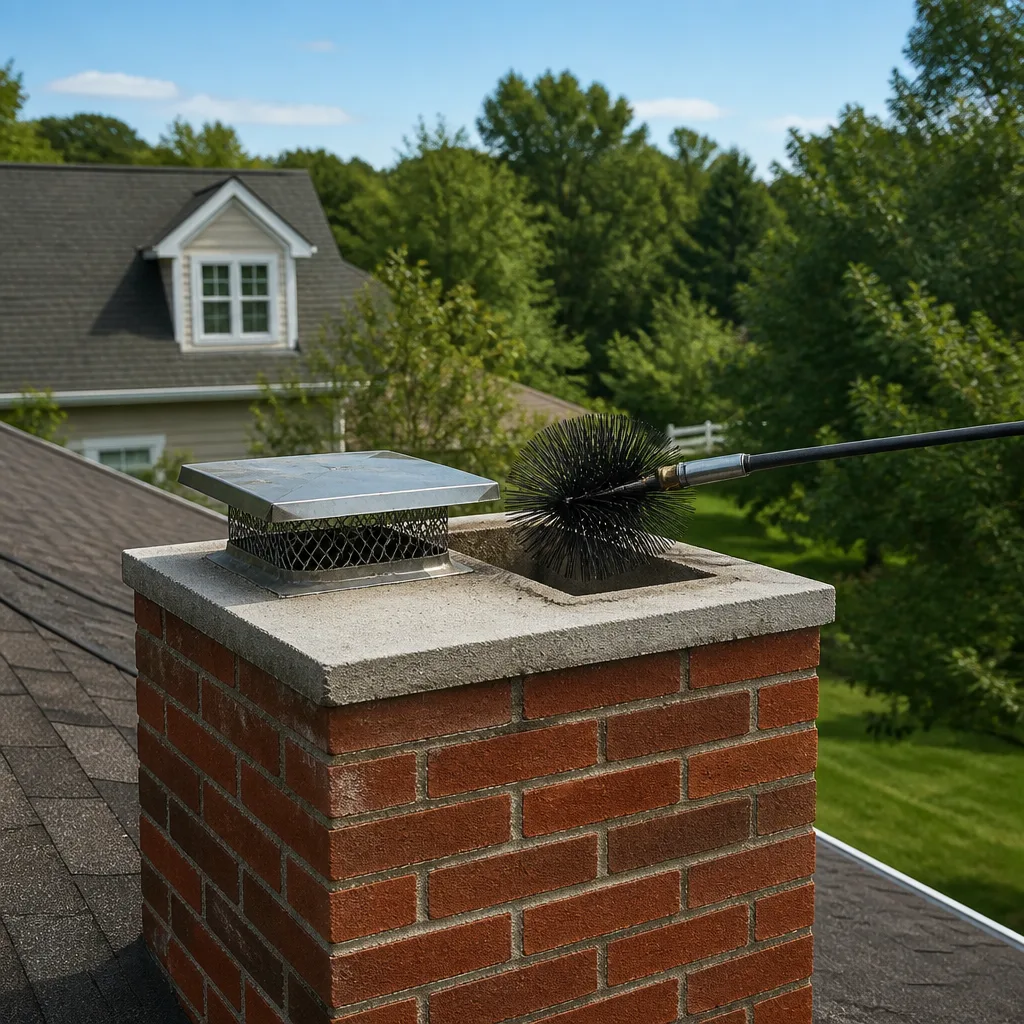
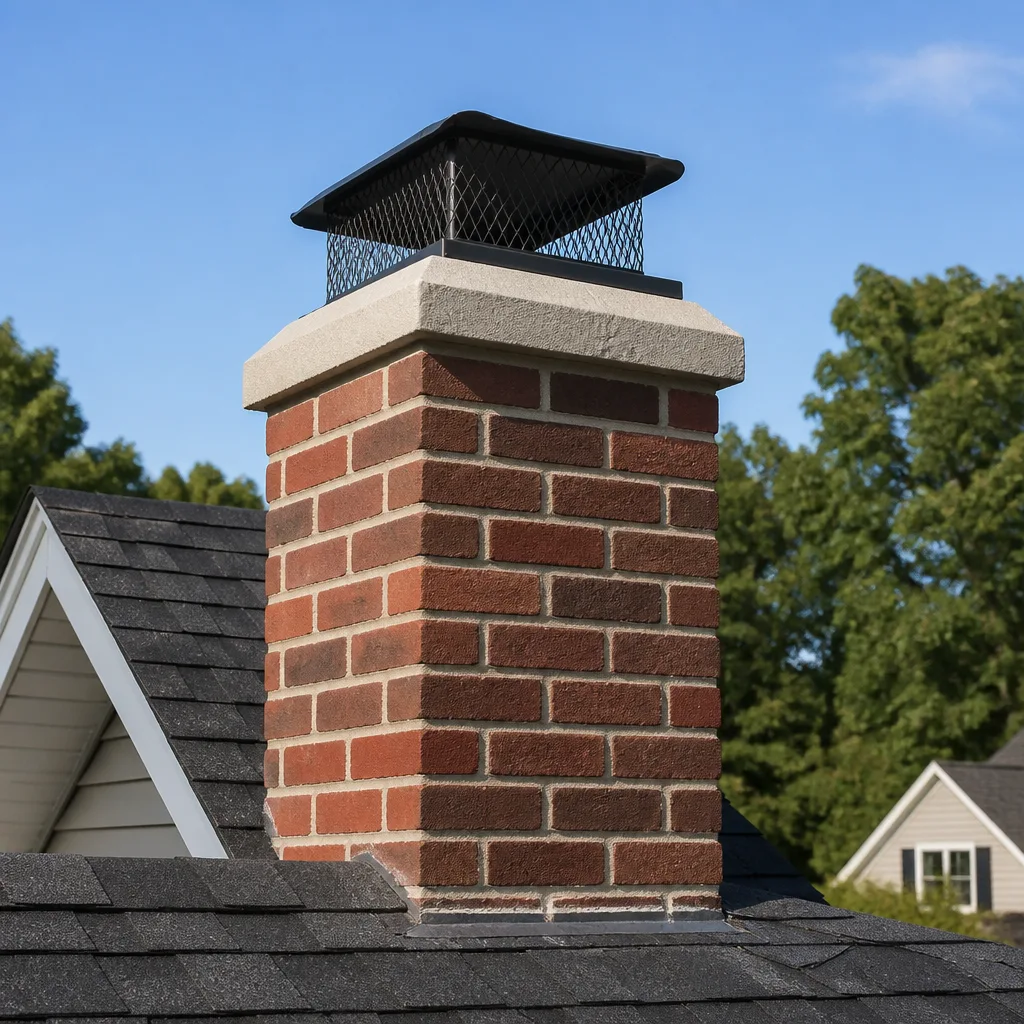
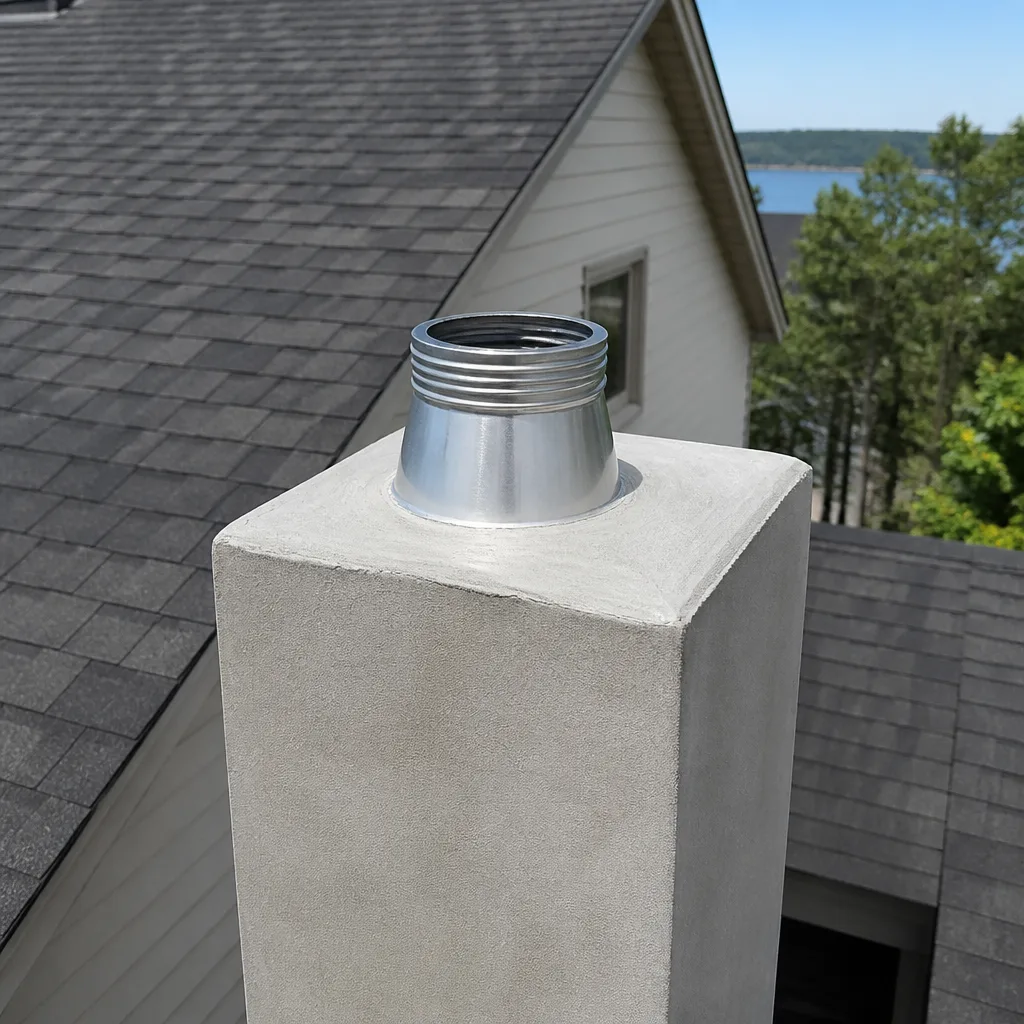
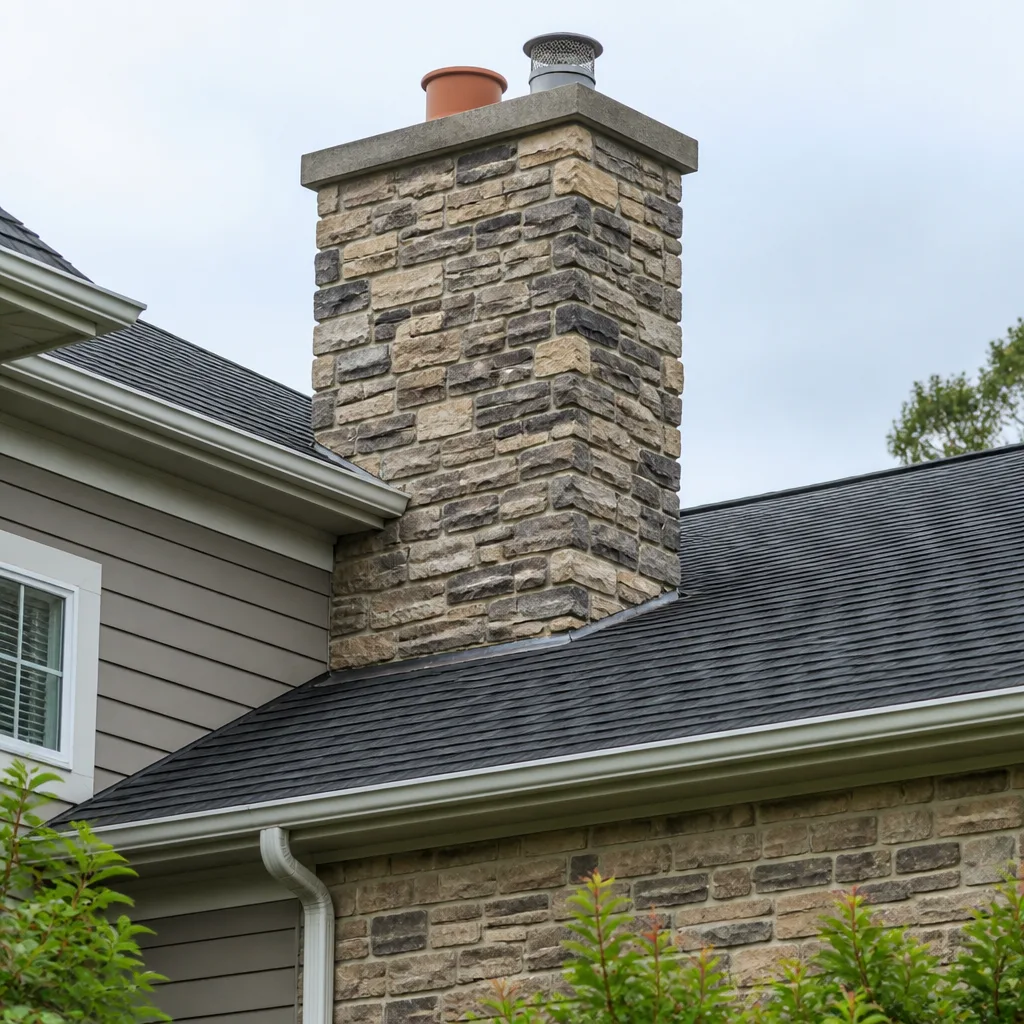
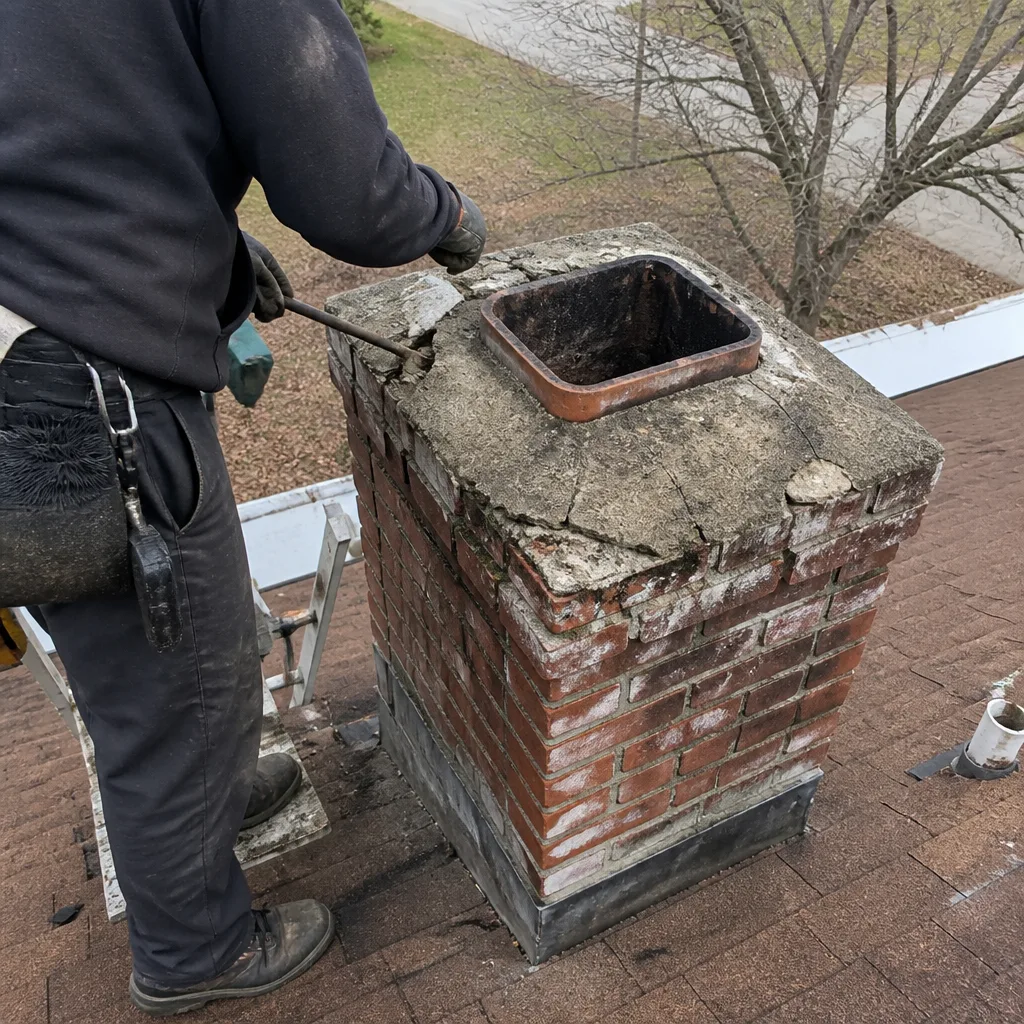 Before
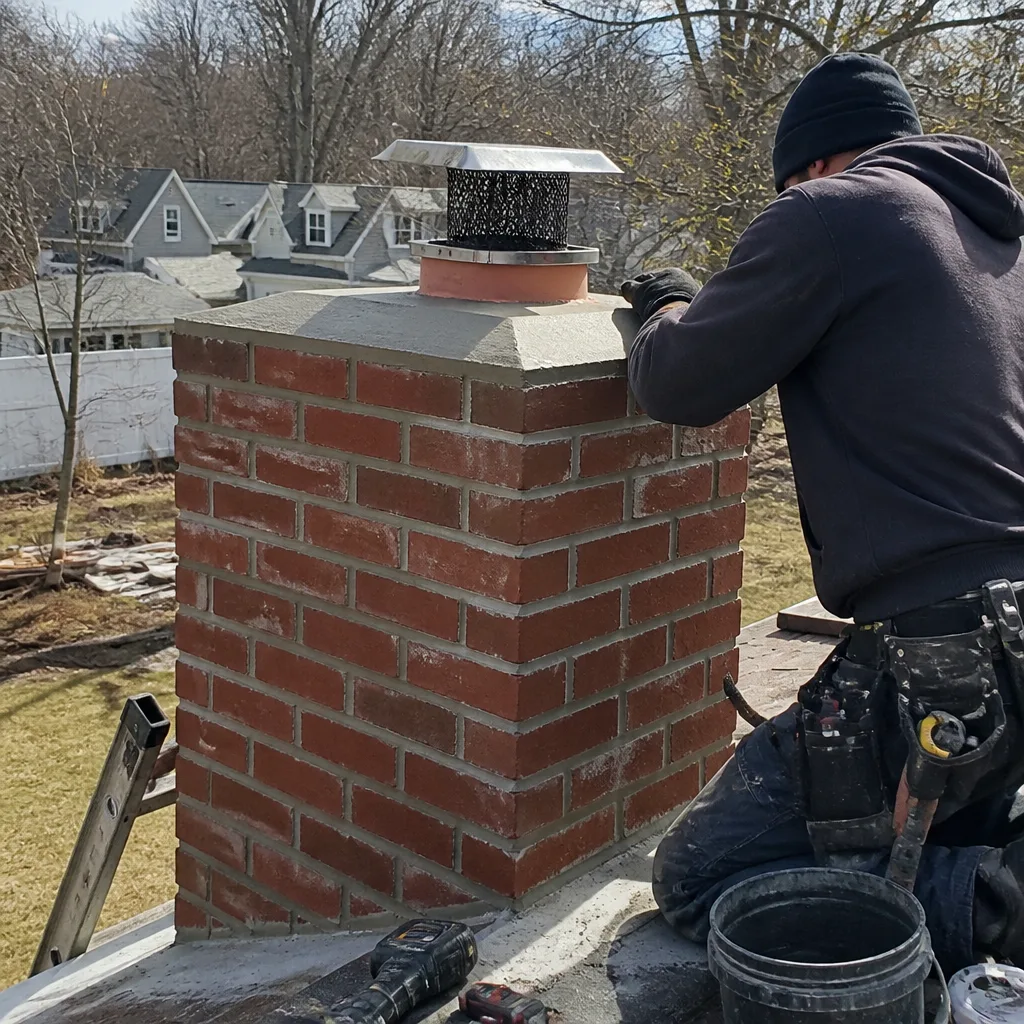 After
After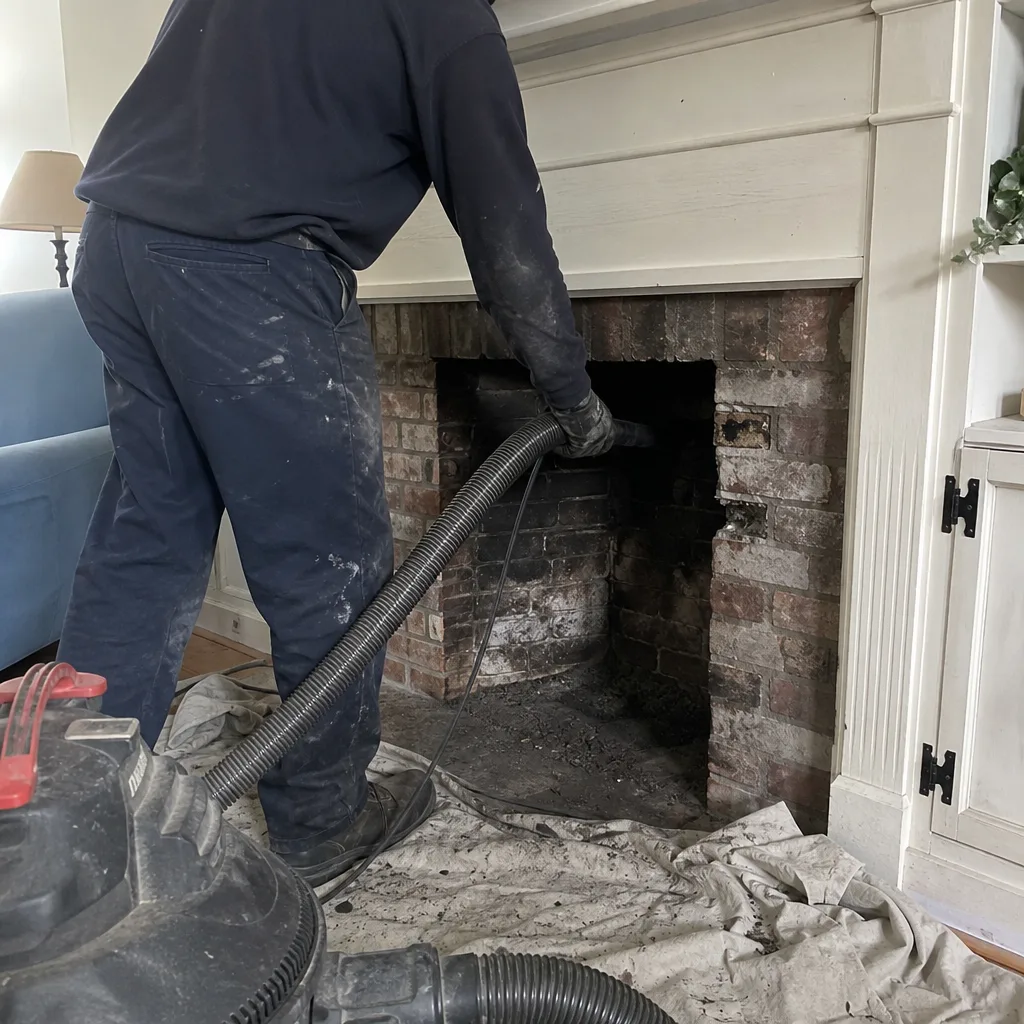 Before
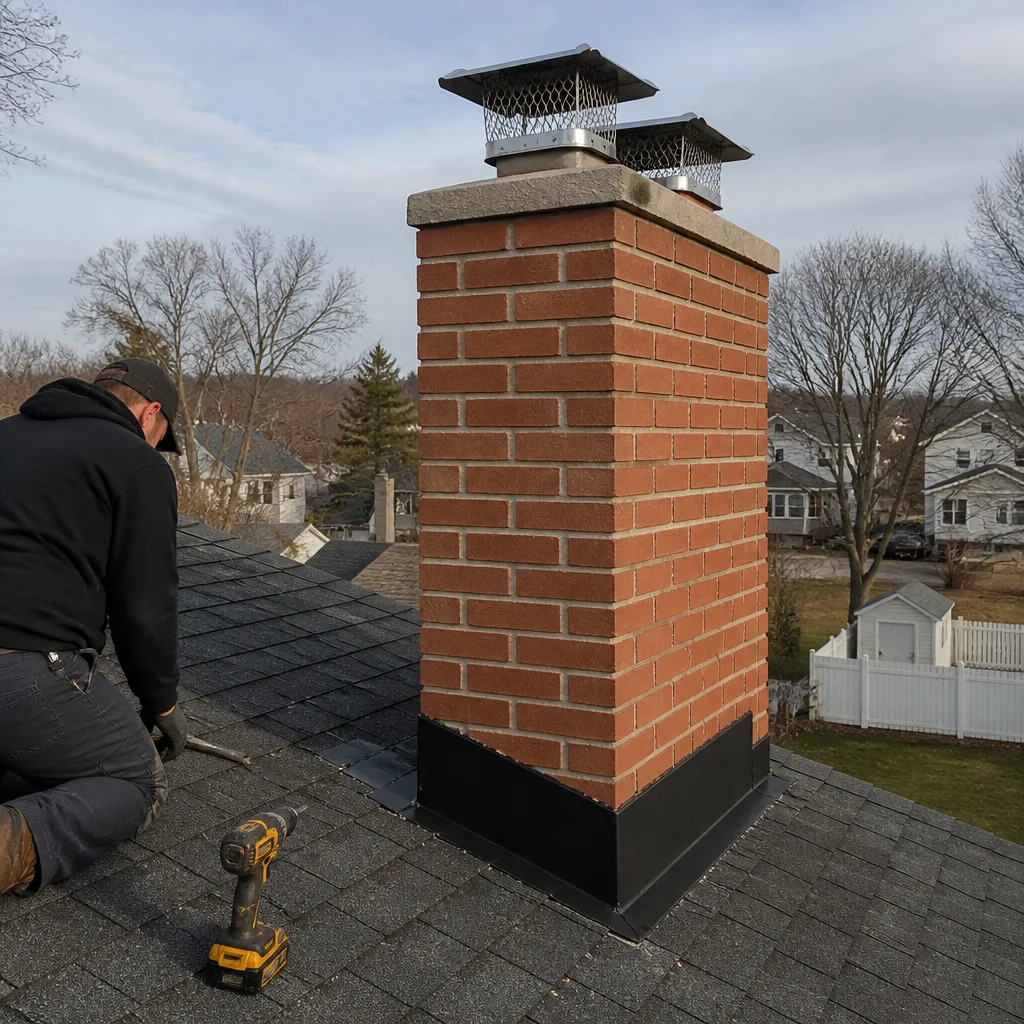 After
After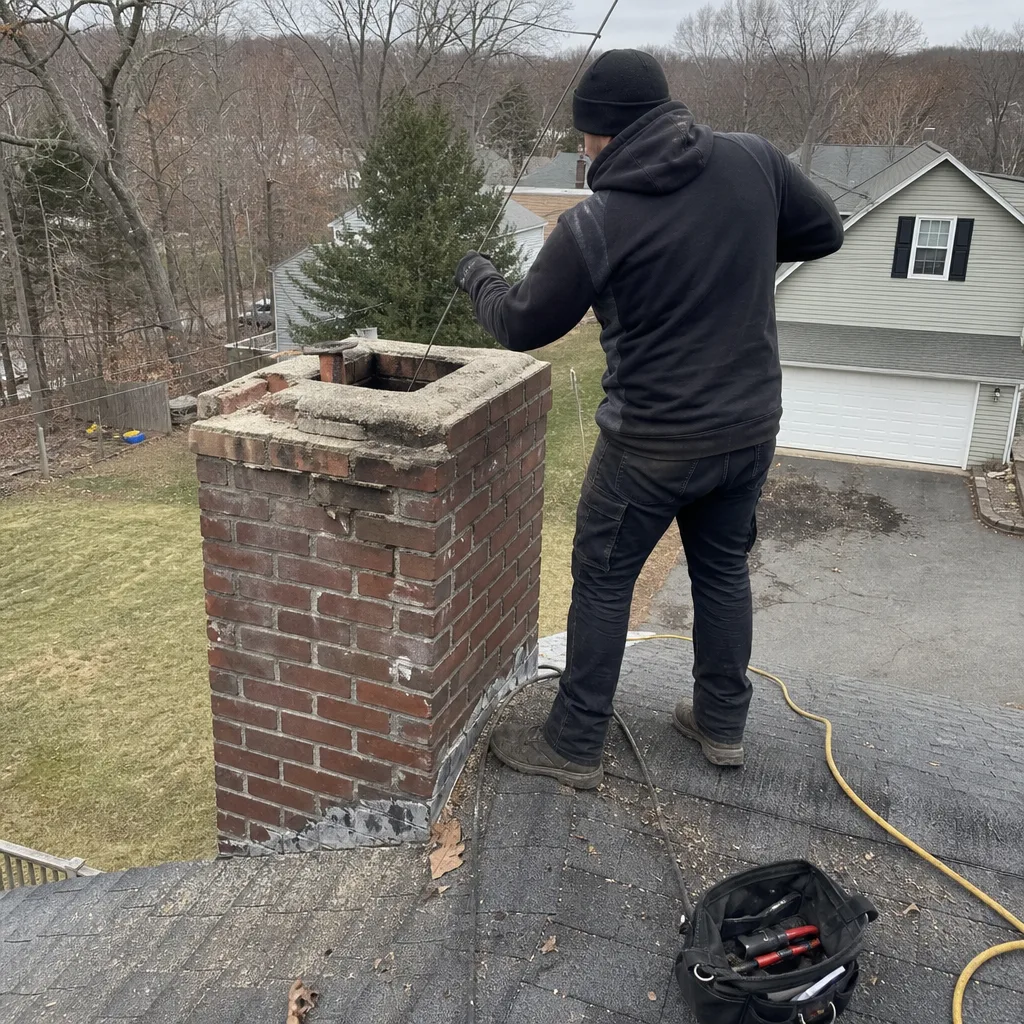 Before
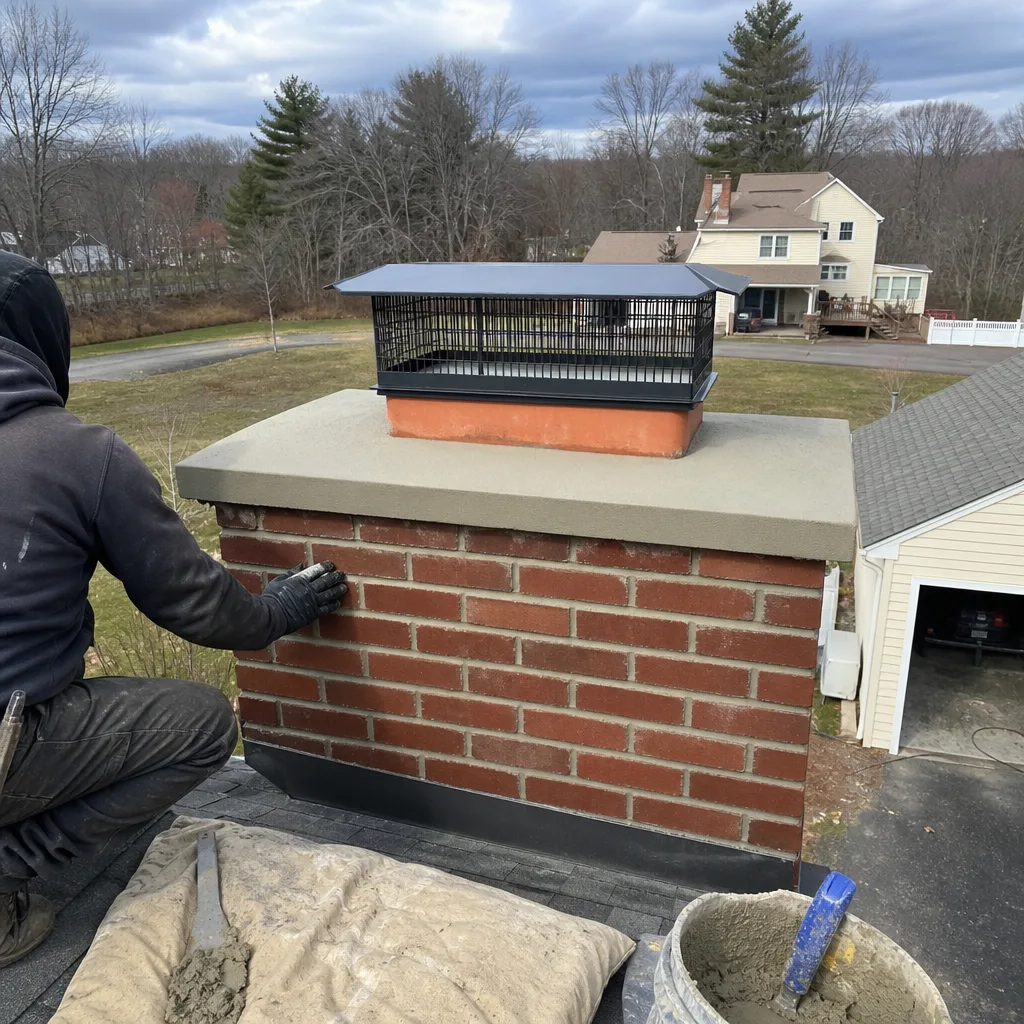 After
AfterSeasonal Chimney Cleaning Care for Haverhill: Year-Round Homeowner’s Guide
September is when every chimney company in the Merrimack Valley is booked out and prices are highest. The homeowners who sweep in April or May skip the wait, get the same sweep’s full attention, and find moisture damage from winter before it has all summer to get worse. Most Haverhill homeowners have been trained to think of chimney cleaning as a fall ritual, something you do right before burning season starts. That’s exactly backwards, and this guide will show you why. You’ll learn what each of Haverhill’s four genuine seasons does to your chimney, what to check when, and how to time your maintenance so you’re never waiting in line behind three hundred other households in October.
Quick Answer
The smartest time to schedule a chimney sweep in Haverhill is late spring, not fall. A spring sweep clears out winter’s creosote and acidic residue before humid Merrimack Valley summers can accelerate liner and mortar decay, and it means you’ll never fight for an appointment during the September rush. Beyond the annual sweep, each season brings a short list of specific checks: spring sweeping and inspection, summer moisture control, fall pre-burn verification, and winter mid-season monitoring. For a complete walkthrough, see our Chimney Cleaning & Sweep Maintenance Checklist for Haverhill Homeowners.
Table of Contents
- Why Spring Is the Smartest Time to Sweep in Haverhill
- What Summer Does to an Unswept Chimney
- The Fall Pre-Season Check: Fifteen Minutes Before You Light
- Peak Heating Months: What to Watch for December Through February
- Closing Out the Season Properly
- Understanding Creosote Levels and Why They Matter
- What Chimney Cleaning Costs in Haverhill
- Common Mistakes to Avoid
- When to Call a Professional
- Frequently Asked Questions
- The Bottom Line
Why Spring Is the Smartest Time to Sweep in Haverhill
We have been cleaning chimneys in Haverhill since 1999, and every year we watch the same pattern repeat itself. The phone starts ringing in mid-September, everyone wants the appointment before the first cold snap, and by late October we are scheduling three weeks out. Meanwhile, people who call us in April or May get their pick of days, pay the same fair price, and get a sweep who isn’t rushing to the next job.
There is a more important reason than convenience, though. A wood-burning fireplace deposits creosote throughout burning season. That creosote sits in your flue all spring and summer if you don’t have it removed. Creosote is acidic, and it attracts moisture. Here in Haverhill, we sit in the Merrimack River valley where summers get genuinely humid. That humidity interacts with creosote residue and accelerates corrosion of the liner, the damper assembly, and the mortar joints in a masonry chimney. A chimney that got through winter fine can develop real problems by August simply because old creosote was left sitting in it through the humid months.
Here is the argument to make to yourself if fall feels intuitive: sweeping in spring removes the acidic residue before it has four to five months of humid weather to do damage. Sweeping in fall removes the residue after it has already spent a summer working on your liner. The fall sweep costs the same money and clears the same creosote, but it cannot undo the summer-long chemical reaction. Spring is not just more convenient. It is genuinely better for the chimney.
One more thing. Chimneys break in the off-season too, and a spring visit catches those problems early. A cracked crown from frost heave, a rusted damper from winter condensation, a loose cap that shifted in a March windstorm. Finding those in May means fixing them on your schedule, before fall pressure. Finding them in October means emergency repairs during peak season.
If you are not sure whether your chimney needs a sweep this spring, start with our chimney cleaning service page for Haverhill to understand what a standard sweep includes. Then call and ask Wendell directly. He will tell you plainly whether the job needs doing.
What Summer Does to an Unswept Chimney
Most homeowners think of summer as the season nothing happens to their chimney. They are wrong, and the Merrimack Valley’s humid summers are the specific reason why.
Here is the mechanism. Creosote forms in three stages. First-degree creosote is a brush job. It is flaky, dry, and comes off with standard sweeping tools. Third-degree creosote is a glaze, a hardened tar-like coating that requires specialized removal. Most Haverhill chimneys that are swept annually sit somewhere in the first-degree to early second-degree range at the end of burning season. That is manageable if you sweep it out.
But leave that creosote in place through a Haverhill summer and something happens. Creosote is hygroscopic. It pulls moisture from the air. Haverhill’s summers, especially July and August, regularly push humidity well past seventy percent. That moisture soaks into the creosote deposits, which then hold it directly against the flue liner. Creosote itself is acidic, with a pH that can run as low as 2 in heavy deposits. Acid plus water plus months of contact time equals accelerated corrosion. We have pulled liners in Haverhill homes that looked ten years older than they were, purely because old creosote sat through too many summers.
Masonry chimneys have the same problem in the mortar joints. The acidic solution works into the joints, especially where the mortar is already older or where freeze-thaw cycles from previous winters have opened hairline cracks. By the time you light the first fire in November, the damage is done. The fall sweep can remove the creosote, but it cannot reverse the summer corrosion.
There is also the wildlife angle. Summer is when chimney swifts, raccoons, and squirrels look for nesting spots. An unswept chimney with residual creosote odor and a missing or damaged cap is an open invitation. A spring sweep typically includes a cap inspection, and that is the single cheapest way to prevent a raccoon from turning your flue into a nursery.
So what should you actually do in summer if you have not swept yet? Schedule the sweep. It is the slow season, which means better scheduling and often a better price. And if you have already swept in spring, summer is mostly about making sure the cap is intact, the damper is closed, and no animals have moved in. A quick visual check from the ground every few weeks costs nothing.
The Fall Pre-Season Check: Fifteen Minutes Before You Light
If you followed the spring advice, fall becomes simple. But whether you swept in April or you did not, there is a fifteen-minute pre-season check worth doing before you light the first fire of the season. This is not a substitute for a professional sweep if one is due, but it is the single best thing a homeowner can do to catch obvious problems early.
Here is the step-by-step, in order:
- Look at the cap from the ground. Use binoculars if you have them. You’re checking for three things: is it still there, is it straight, and is the mesh screen intact. A missing or damaged cap means rain, snow, and animals have had access to your flue.
- Open the damper and look up from the firebox. Use a flashlight. You are looking for significant creosote buildup, which will look like black flaking or shiny tar on the flue walls, and for any debris that may have fallen in. A small mirror helps you see around the damper.
- Check the firebox floor. If you see pieces of flue tile, brick chips, or unusual debris, that signals spalling or liner damage. Do not burn until a professional has looked at it.
- Feel for draft. With the damper open and a window cracked, light a match and hold it in the firebox opening. The smoke should pull up the chimney. If it drifts into the room instead, you have a draft problem, likely a cold flue, a blockage, or negative pressure in the house.
- Check the exterior brick or stone from the outside. Look for cracks, spalling faces, or efflorescence, the white powdery staining that signals moisture movement through the masonry.
If all five checks pass, light your first test fire small. Not a roaring blaze. A small fire that establishes draft and warms the flue gradually. If anything odd happens, smoke in the house, an acrid smell, unusual popping sounds, stop burning and call. A fifteen-minute check saves more than embarrassment. It prevents chimney fires.
For Haverhill homeowners specifically, the fall check matters more than in some towns because so much of our housing stock is older. Homes in the Highlands, Riverside, and Bradford neighborhoods were built when masonry chimneys were standard, and those chimneys are now decades old. They deserve a look before you ask them to handle a full season of fires.
Peak Heating Months: What to Watch for December Through February
Your chimney works hardest from December through February, and that is when problems announce themselves. The question is whether you recognize the signs.
The first and most important rule: wood-burning fireplaces in Haverhill used regularly through winter should be watched for mid-season indicators, not ignored until spring. Here is what warrants a mid-season sweep or inspection rather than waiting:
- Smoke spilling into the room when you open the doors. A properly drafting chimney pulls all smoke up. Smoke roll-out means restriction somewhere, usually creosote buildup, a partial blockage, or an undersized or cold flue. This is not a personality quirk of your fireplace. It is a problem.
- A strong odor even when the fireplace is cold. Creosote has a distinctive acrid, tar-like smell. If you notice it on humid days or whenever the house is closed up, your creosote accumulation has reached the point where it needs removal. This smell often gets worse during January thaws.
- Visible heavy glaze in the flue. If you shine a flashlight up and see shiny black coating rather than light flaky residue, that is third-degree creosote. It is not a DIY job, and it is highly combustible. Do not burn until it is professionally removed.
- Burning more wood for the same heat. If your stove or fireplace is running through noticeably more wood than it used to, the system is not burning efficiently. Creosote-coated flue walls reduce draft, which reduces combustion efficiency, which deposits more creosote. A vicious cycle.
- Anything that sounds like rain in the chimney during a fire. That sound is usually creosote flakes breaking loose from thermal expansion. It is a warning sign, not an emergency, but it means a chimney fire is a real risk if burning continues.
If you experience any of these, stop using the fireplace and call for a professional cleaning and inspection. Wendell and his crew sweep chimneys in Haverhill through December and January. It is slower than fall, and they can usually get to you within days, not weeks. The fireplace might feel essential during a cold snap, but a chimney fire is a worse outcome than a few days without a fire. Your flue doesn’t care how the fire looks. It cares how it breathes.
Closing Out the Season Properly
When burning season ends, usually in late March or early April for most Haverhill households, there are four things to do. None of them takes long, and together they set up a clean off-season.
- Close the damper fully. This is the most obvious and most forgotten step. An open damper all summer lets humid air circulate constantly through the flue and into the house. You are air-conditioning the outdoors. More importantly, an open damper invites animals. A closed damper is the first line of defense against summer chimney residents.
- Do a final visual cap check. Winter storms, ice, and wind all stress the cap. Check that it is still seated properly and the screen is intact. A damaged cap discovered in April is a cheap fix. One discovered in October is a rush job.
- Schedule the sweep. This is the same argument from earlier. Do not wait for fall. You have just finished a full season of burning. The creosote from that season is now sitting in your flue. Schedule removal before humid weather gives it months to work against your liner.
- Write down anything odd you noticed during the season. Did you smell something off during a January fire? Did smoke spill out once during a windy storm? Did you hear odd sounds? Write it down now, while it’s fresh. Then tell the sweep when they arrive. We have caught liner cracks, flue blockages, and crown failures that homeowners had noticed but not mentioned simply because they didn’t think it mattered. It matters. Tell us everything.
That last point deserves emphasis because it is the most common missed opportunity. Homeowners in Haverhill live with their fireplaces for months. You notice things. A faint smell after a rainstorm. A different sound when the wind hits. A little more smoke than last year. Each of those is data, and a good sweep uses that data to target the inspection. The camera footage and a plain-English verdict, every time, no exceptions. Bring us your observations and we will show you what they mean.
Understanding Creosote Levels and Why They Matter
Every homeowner should understand the three stages of creosote because the difference between them determines whether you need a standard sweep or something more involved. This is the same explanation Wendell gives standing in someone’s living room, and it is worth writing down.
First-degree creosote is the flaky, soot-like deposit that forms from incomplete combustion of unseasoned wood, especially when the fire is banked down or burning cool. It brushes off with standard chimney sweeping tools. Most Haverhill homes that are swept annually stay in this range. A standard sweep handles it.
Second-degree creosote is darker, harder, and more granular. It forms when burning temperatures are inconsistent or wood is marginally seasoned. It brushes off but resists more, and it may require more than a standard pass. This is where many homes are by mid-winter if they haven’t been swept in over a year.
Third-degree creosote is the glaze. It is shiny, hard, and looks like a tar coating baked onto the flue walls. It forms from continuous low-temperature burns, frequent smoldering fires, or severely restricted draft. It cannot be removed by brushing. It requires chemical treatment, rotary cleaning tools, and professional equipment. This is also the creosote stage most likely to fuel a chimney fire, because it burns hot and obstinately.
Here in Haverhill, we see third-degree creosote most often in homes that burn unseasoned wood, in older stoves with manually controlled dampers, and in fireplaces that were rarely or never swept. Once a glaze forms, the risk profile changes. First-degree creosote is a brush job. Third-degree is a glaze, catch it early.
If you do not know what stage you are at, that’s fine. That is exactly what an inspection determines. A professional sweep will look, identify the stage, and show you the evidence. You should never take anyone’s word for a creosote level without seeing it yourself.
What Chimney Cleaning Costs in Haverhill
One of the first questions every Haverhill homeowner asks is what a chimney sweep costs. For a detailed breakdown, see our Chimney Cleaning Cost Breakdown: The Haverhill Homeowner’s Reference for 2026. Here is a straight answer.
| Service | Typical Range in Haverhill | Notes |
|---|---|---|
| Standard chimney sweep (open masonry fireplace) | $180 – $300 | Includes full flue brushing, firebox cleanup, and basic inspection |
| Standard sweep with video inspection | $250 – $400 | Camera footage you can see, photo report included |
| Woodstove or insert sweep | $200 – $350 | Includes connector pipe, baffle removal, and reinstall |
| Third-degree creosote removal (glaze) | $400 – $800+ | Chemical treatment and rotary cleaning; price depends on severity |
| Chimney cap replacement | $150 – $450 | Varies by cap type and flue size |
| Video inspection only (no sweep) | $150 – $250 | For real estate transactions or post-repair verification |
These are the ranges we see across the Haverhill market. Your specific chimney will land somewhere inside them depending on flue size, accessibility, and condition. Some companies quote a low base price and add charges once they are on the roof. Top Hat Chimney gives you upfront pricing before a single tool comes off the truck. The number you hear on the phone is the number on the invoice.
One more point about pricing. The cheapest sweep in Haverhill is not necessarily the best value, and the most expensive is not necessarily the most thorough. What matters is whether they show you the evidence. If someone tells you the flue needs work, ask to see the camera footage. A professional sweep will show it to you unprompted. If they won’t, walk away.
Call (978) 724-7935 for an exact quote on your chimney. Estimates are free, and Wendell will tell you plainly whether the job needs doing.
Common Mistakes to Avoid
- Waiting until September to call. Every chimney company in the Merrimack Valley books up fast in September and October. You will wait longer and possibly pay more. A spring call gets you the same sweep’s full attention and the same thorough job, just at a pace that doesn’t feel rushed.
- Assuming no fires means no sweep needed. Your chimney is exposed to weather, animals, and time regardless of how much you burn. A chimney that sits unused still accumulates debris, still gets wet, and still benefits from an annual inspection. Once a year, burn or no burn.
- Burning unseasoned wood to save money. Wet wood burns cool, produces more smoke, and deposits creosote faster. You end up paying more in sweep costs than you saved on firewood. Burn wood that has been split and stacked for at least six to twelve months.
- Ignoring a strange smell because it is summer. A creosote odor or musty smell coming from the fireplace in August is not normal and not harmless. It signals a moisture problem, an animal issue, or heavy deposits that need removal. Investigate it now, not when burning season starts.
- Trusting an inspection without seeing the footage. If a chimney company tells you the liner is cracked or the flue needs rebuilding, ask to see the camera footage. Reputable sweeps in Haverhill include it as standard. Never approve thousands of dollars of work on someone’s verbal description alone.
- Leaving the damper open over summer. An open damper invites humid air, animals, and insects into your chimney and home. Close it when burning season ends, and check it again before the first fire.
- Assuming a home warranty or insurance covers chimney problems. Many policies exclude creosote-related damage, and most do not cover routine cleaning. Read your policy. Do not let a small maintenance cost become a surprise repair bill.
When to Call a Professional
Some chimney care is genuinely do-it-yourself. Closing the damper, checking the cap from the ground, and clearing ash from the firebox are all homeowner tasks. The actual sweep is not one of them. A proper sweep requires specialized brushes, ladder work on your roof, and knowledge of what a healthy flue looks like. More importantly, high-tension components and roof work carry real safety risk. Wendell and his crew have been doing this since 1999 and are insured, background-checked, and trained to work safely. You should call a professional whenever you see heavy creosote buildup, smell strong odors, have smoke spillage, or hear odd sounds during a fire. Top Hat Chimney offers free estimates in Haverhill, call (978) 724-7935. If you are not sure whether you need a sweep, call anyway. Wendell will give you an honest answer.
Frequently Asked Questions
A wood-burning fireplace used regularly through the Haverhill winter needs sweeping once a year, and the best time is late spring after burning season ends. The National Fire Protection Association’s standard is to sweep when creosote reaches a level that warrants it, but for most active wood burners, that means an annual visit. Homes that burn unseasoned wood or burn every day may need twice-yearly attention.
A standard chimney sweep in Haverhill typically runs between $180 and $300 for a standard open masonry fireplace, with video inspection adding $50 to $100 on average. We outlined a full price table above. The specific number for your chimney depends on flue size, accessibility, and condition. Call (978) 724-7935 for an exact quote, estimates are free.
While DIY chimney sweeping kits exist, we do not recommend them for most Haverhill homeowners. A proper sweep requires roof work, which carries fall risk, and the knowledge to identify liner damage, draft problems, and creosote levels accurately. We have re-cleaned many chimneys after a homeowner’s DIY attempt left significant creosote behind, especially in the upper flue and smoke shelf areas that are hardest to reach. The cost of a professional sweep is a fraction of the cost of a chimney fire or a damaged liner.
Skipping one year means you enter the next burning season with two seasons’ worth of creosote in your flue, and that materially raises your risk of a chimney fire. In Haverhill’s climate, it also means that creosote has sat through an entire humid summer, accelerating liner and mortar deterioration. A skip-year chimney that is swept the following year often costs more because the creosote has hardened into harder stages that require more work. The annual cost of a sweep is the cheapest insurance you can buy for your fireplace.
That depends entirely on the condition of your existing liner. A cracked clay tile liner in a Haverhill masonry chimney is a genuine safety problem, because it allows heat and combustion gasses to reach the surrounding structure. But no homeowner should approve a liner replacement on someone’s verbal description. Ask for the camera footage. A legitimate chimney professional will show you the damage with video and explain what it means plainly. Top Hat Chimney also offers a free second opinion on any written estimate from another company. If someone else said you need a new liner, call us and we will show you what the camera says.
You risk a chimney fire. Creosote is combustible, and when it ignites inside your flue, it burns at temperatures that can crack liners, warp dampers, and burn through to the house structure. Not every chimney fire destroys a home, but every chimney fire damages the chimney. We have repaired chimneys in Haverhill after chimney fires, and homeowners consistently tell us the same thing: the sweep would have been cheaper. If you have any doubt about your chimney’s condition, call (978) 724-7935 before you build another fire.
The Bottom Line
Treating chimney care as an annual fall task is exactly backwards. Haverhill’s four seasons each demand something different: spring for sweeping and inspection, summer for moisture and animal control, fall for a fifteen-minute pre-burn check, and winter for monitoring what the chimney tells you while it works. Sweeping in late spring removes winter’s creosote before humid Merrimack Valley summers accelerate corrosion, and it keeps you out of the September rush. Once a year, burn or no burn. Chimneys break in the off-season too. The camera footage and a plain-English verdict, every time, no exceptions. Call Top Hat Chimney at (978) 724-7935 for a free estimate, and ask for Wendell. He has been serving Haverhill since 1999 and will tell you plainly whether the job needs doing.
Written by Wendell Pike, Owner at Top Hat Chimney, serving Haverhill since 1999.