
Last updated September 10, 2026
Level 1 sweep and inspection to the NFPA 211 annual standard - flue, crown, cap, and flashing checked and photographed
Chimney sweep logs do not sweep chimneys. They loosen some creosote - which then falls where a brush and vacuum still have to collect it.
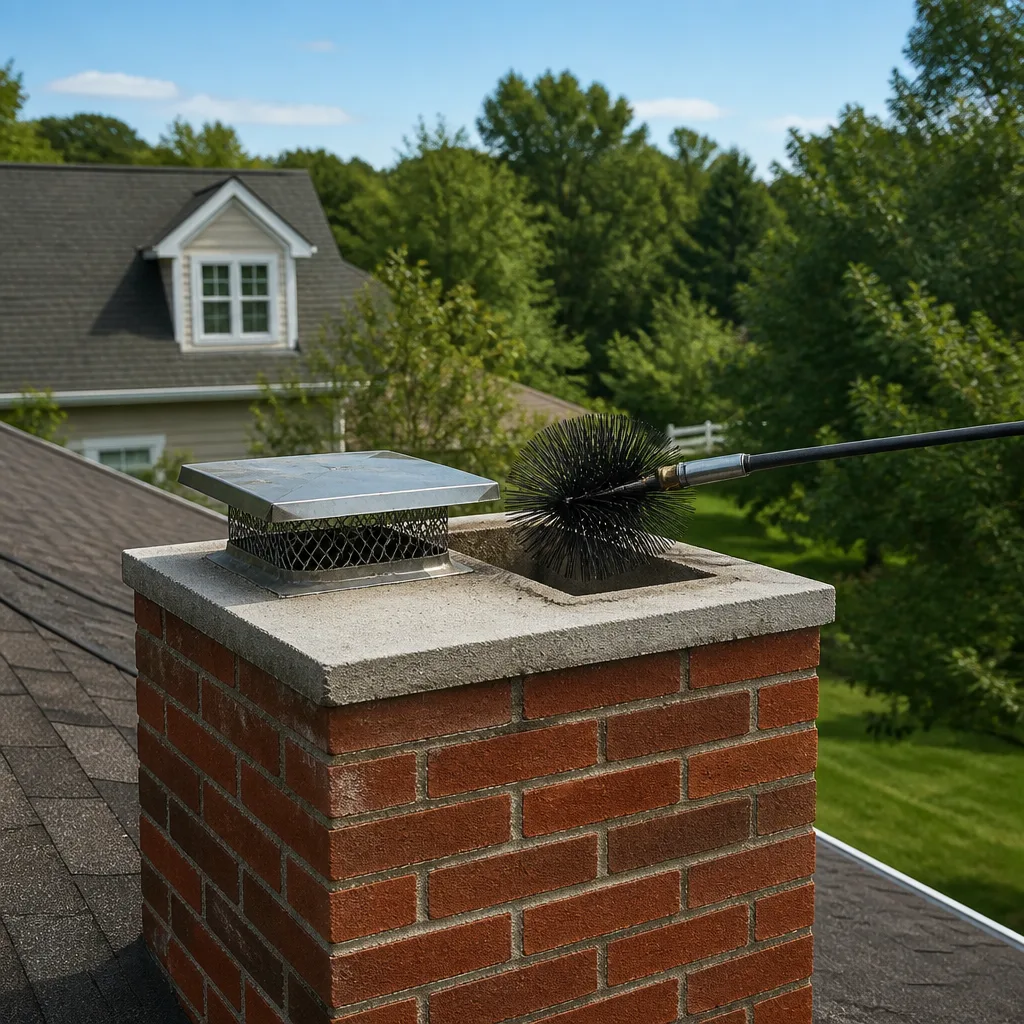
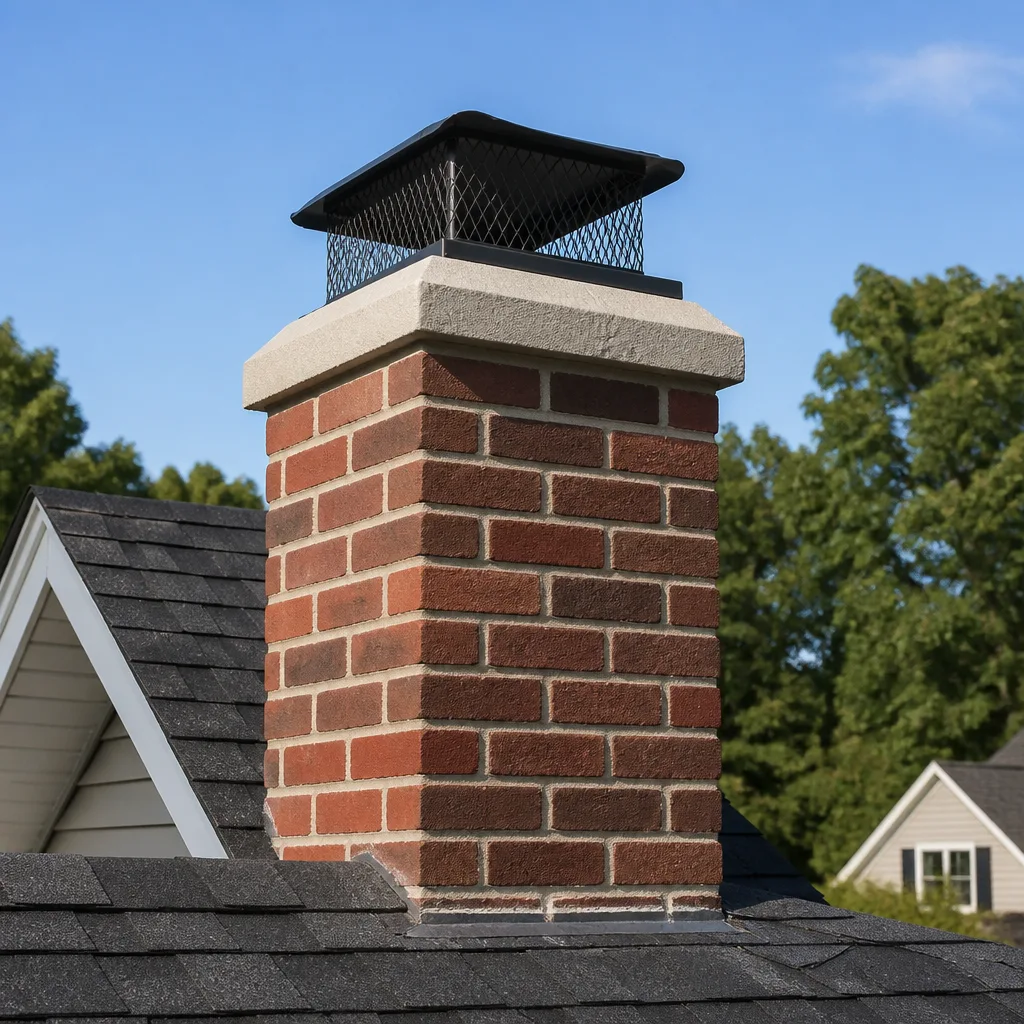
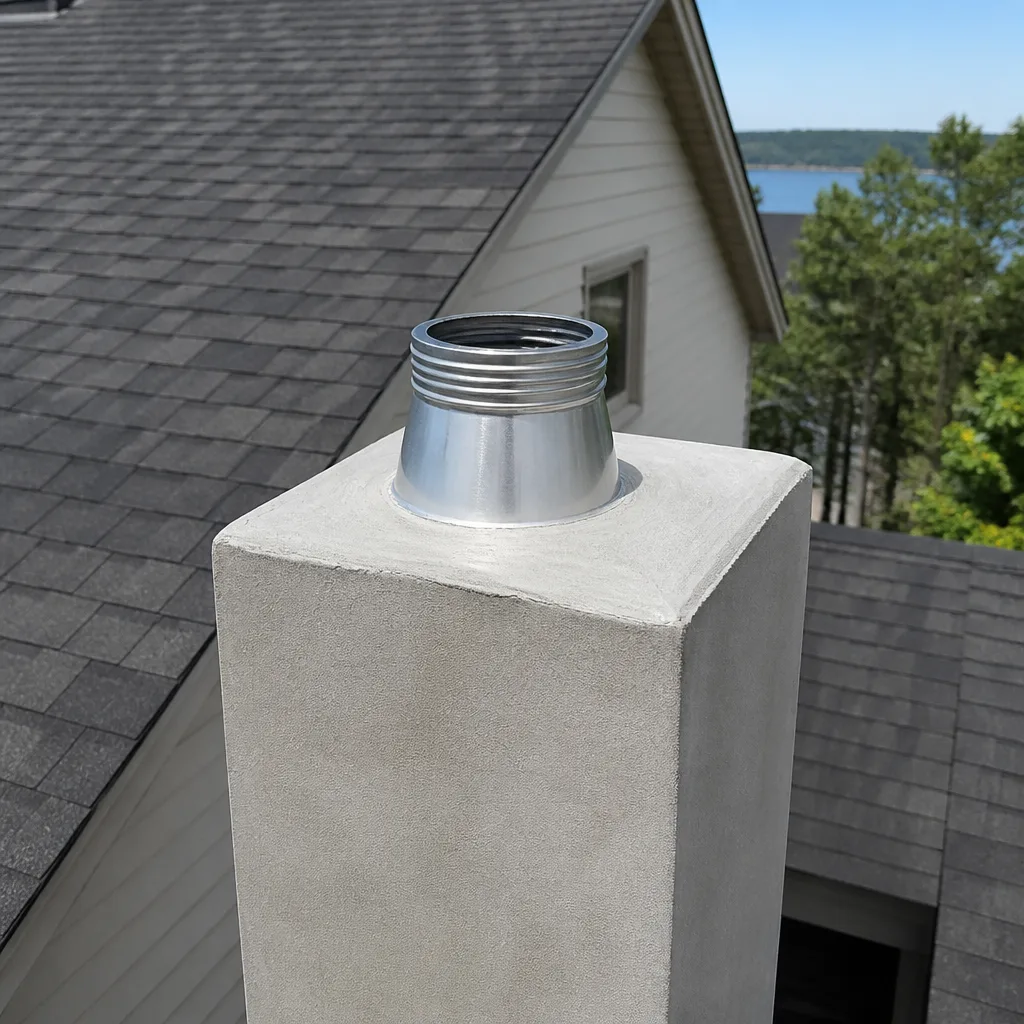
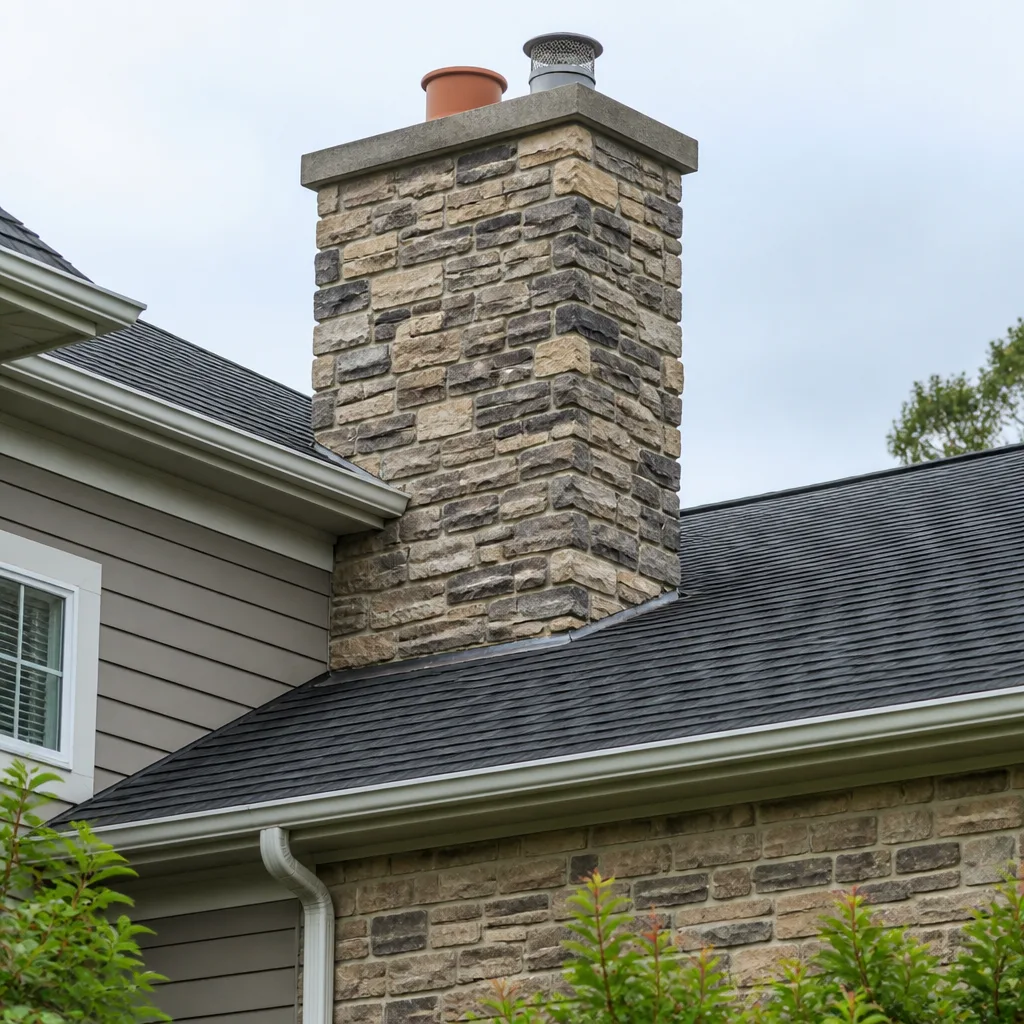
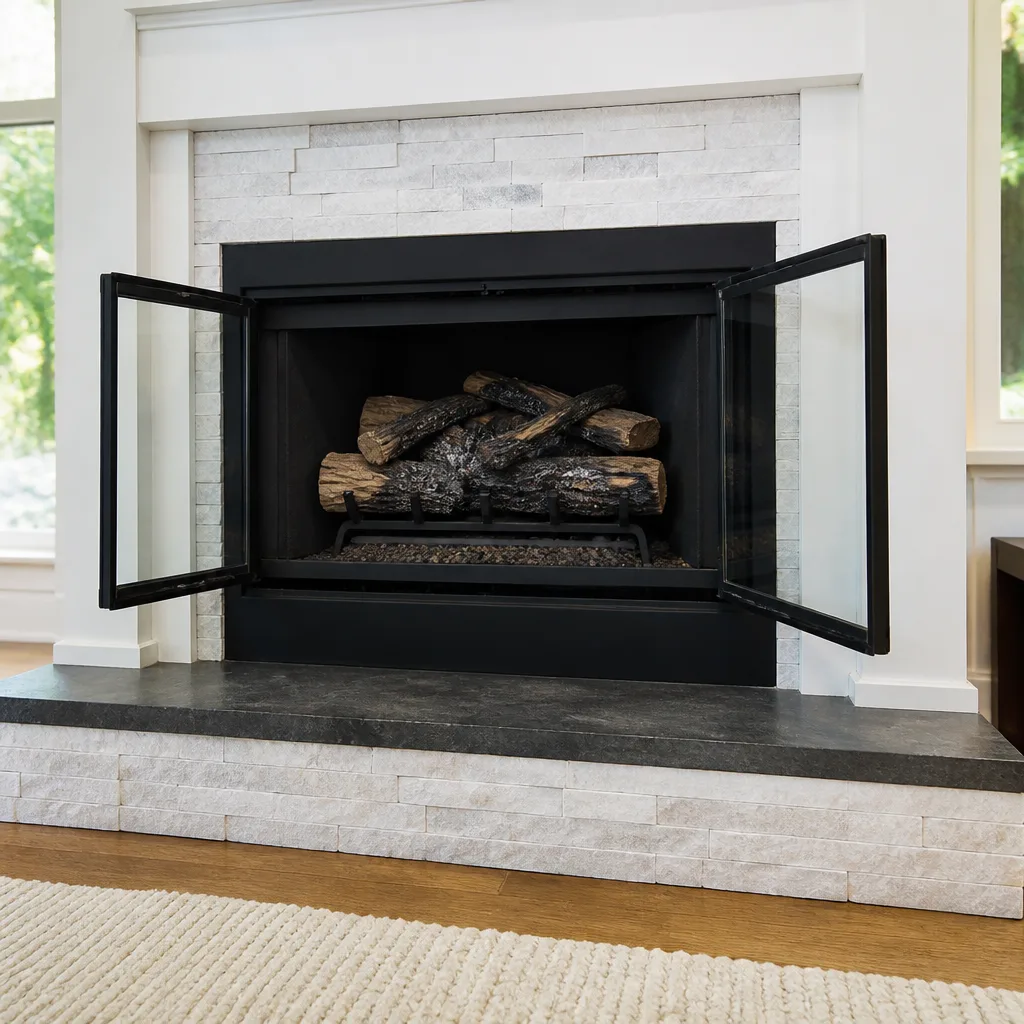
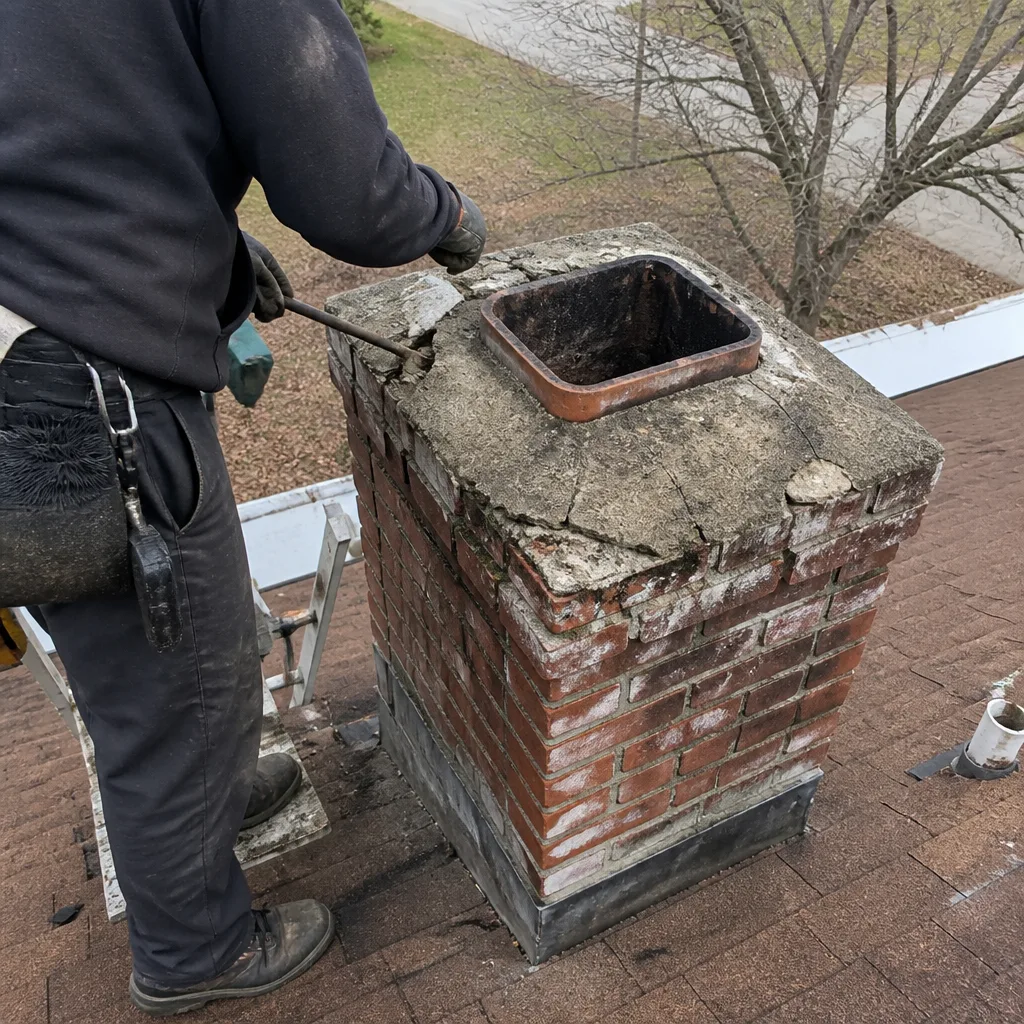 Before
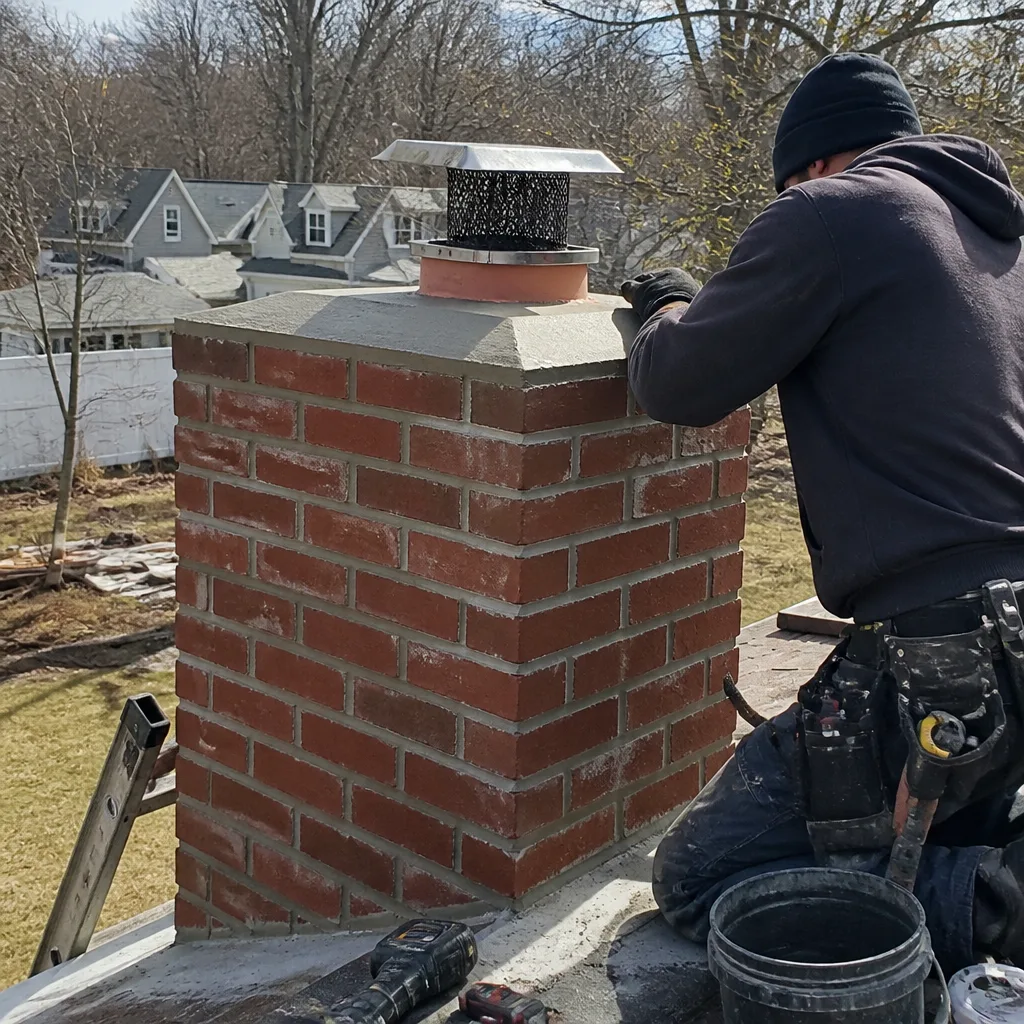 After
After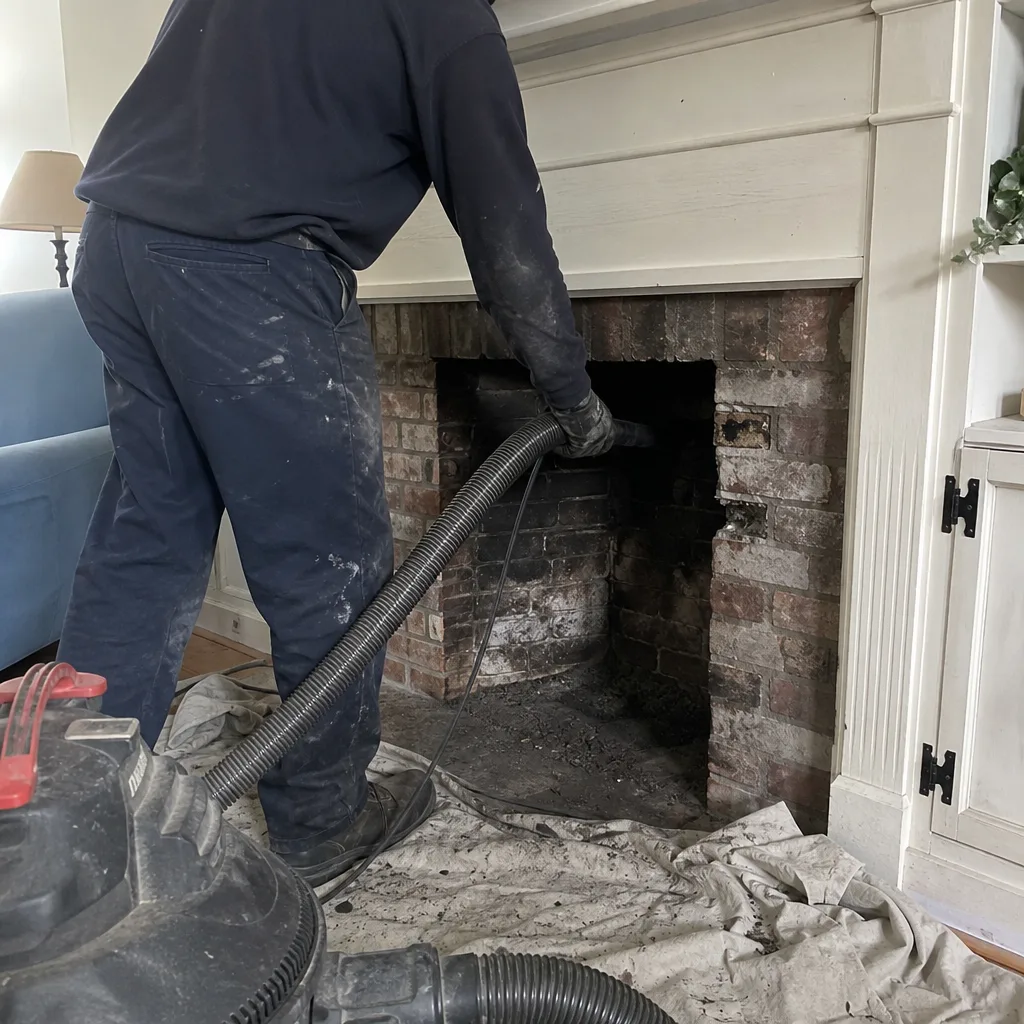 Before
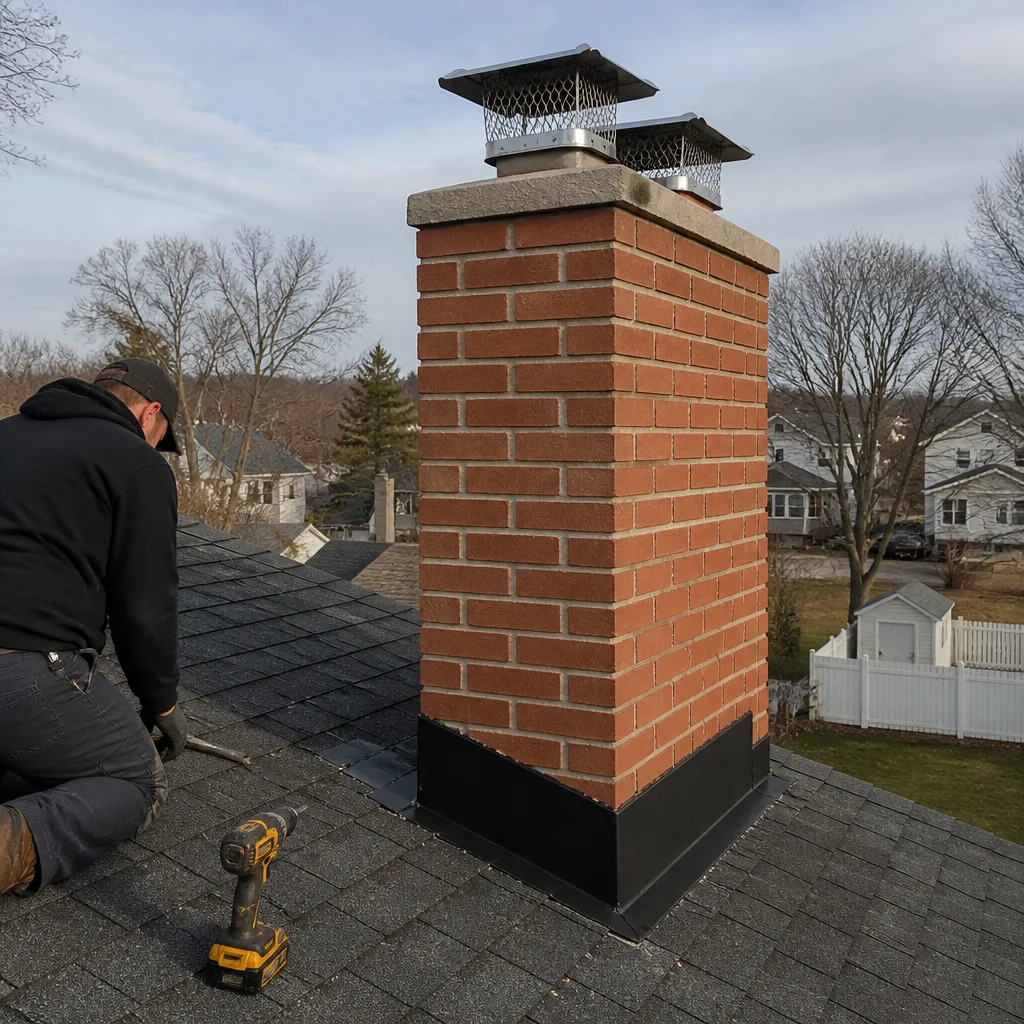 After
After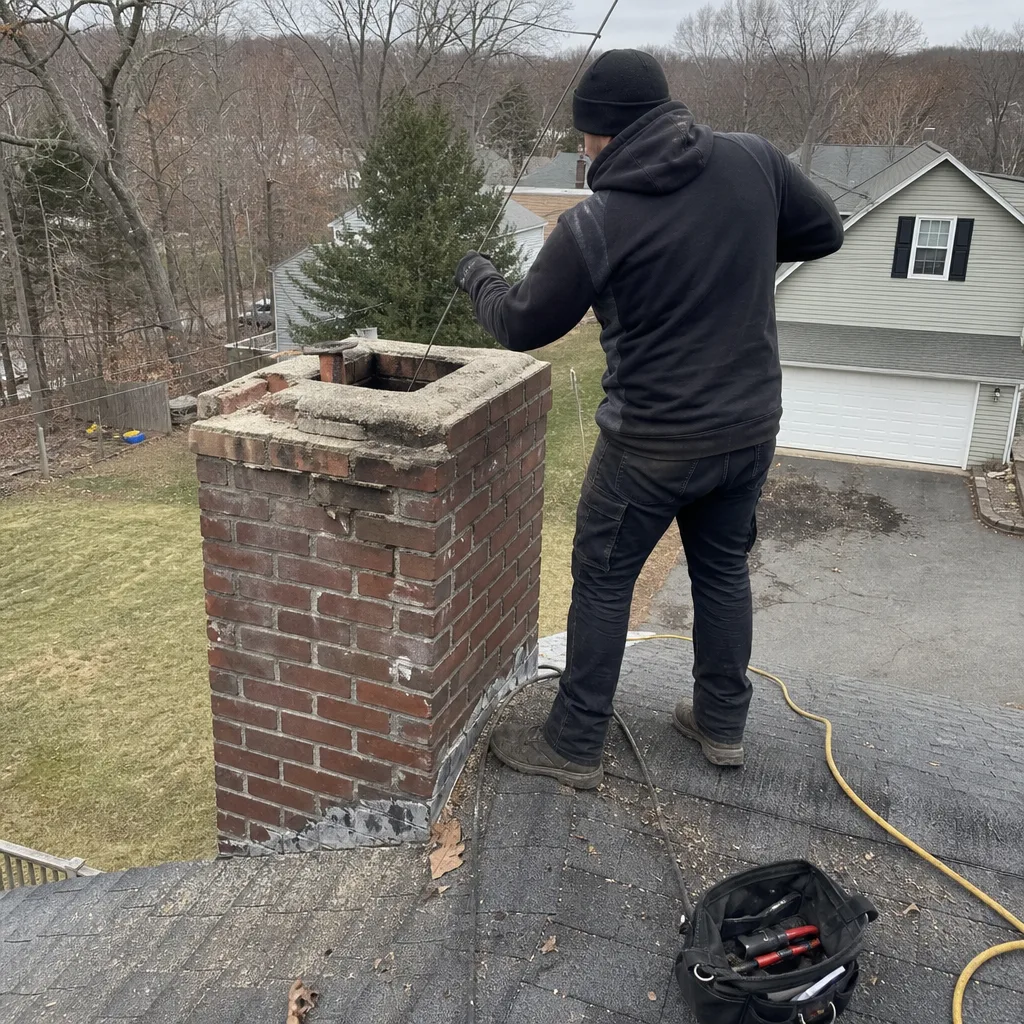 Before
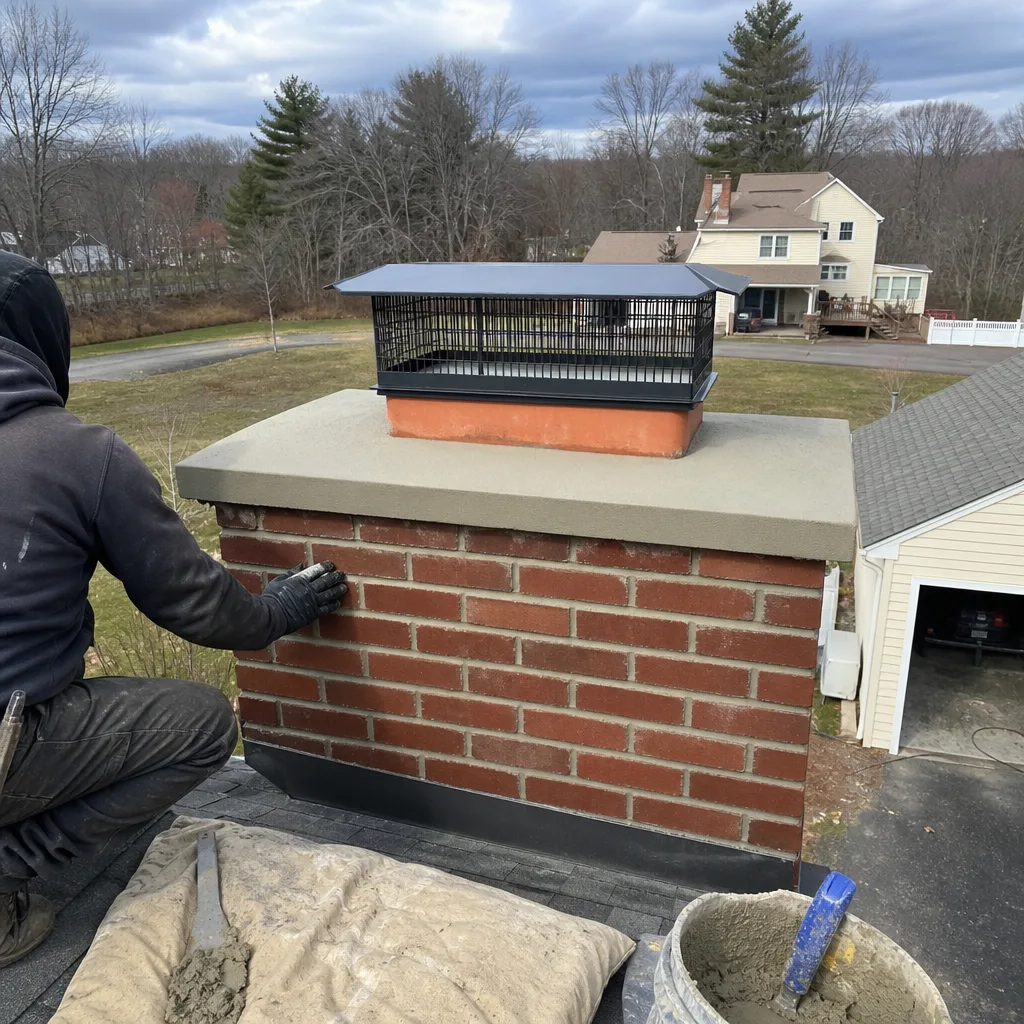 After
AfterHow to Hire a Chimney Cleaning Contractor in Haverhill: A Step-by-Step Guide
Massachusetts does not require a chimney sweep to hold any state license. Read that again, because it changes everything about how you should approach hiring one. A man with a ladder, a brush from the hardware store, and a magnetic sign on his truck can knock on your door tomorrow and call himself a chimney sweep, and no state agency has looked at him first. In Haverhill, where brick chimneys bake through humid summers and freeze through January nights, what you don’t verify before the sweep climbs onto your roof is exactly what will cost you later. This guide walks you through the questions to ask, the credentials to check, and the paperwork to demand before anyone sets foot on your property.
Quick Answer
To hire a chimney cleaning contractor in Haverhill, verify CSIA certification and liability insurance directly with the issuing organizations, ask seven specific questions over the phone before booking, require a written scope of work before the job starts, and refuse any mid-job upsell that is not supported by camera footage you can see with your own eyes. The whole hiring process should take about 20 minutes of your time and cost nothing until the work is actually done.
Table of Contents
- Why “Unregulated” Does Not Mean “All The Same”
- The Three Credentials That Actually Carry Weight
- Seven Phone Questions That Separate Honest Sweeps from Bait-and-Switch Outfits
- Why a Written Scope of Work Beats a Verbal Quote Every Time
- Red Flags That Appear During the Job Itself
- How to Read a Post-Job Written Report
- Common Mistakes to Avoid
- When to Call a Professional
- Frequently Asked Questions
- The Bottom Line
Before we get into the steps, a word about the company writing this guide. Top Hat Chimney home has been working in Haverhill since 1999. Wendell Pike owns it and runs it. We’re not a franchise that rotated in last spring, and we’re not a call center that sub-contracts to whoever picks up the phone. What follows is what we tell neighbors when they ask how to hire someone who won’t make a mess of the chimney or the bill. The advice applies whether you hire us or not.
Why “Unregulated” Does Not Mean “All The Same”
The chimney industry in Massachusetts has almost no barrier to entry. A person can legally call themselves a chimney sweep with no training, no insurance, and no experience. Not one hour. They might own a brush and a ladder. They might not even own those; they might rent them from a tool library for the weekend. That is the reality of the market in Haverhill, and it is why the person quoted you $49 on the phone and found $3,000 worth of “critical” problems once on your roof might not be lying about the problems. He might simply not know what he is looking at. Or he might know exactly what he’s looking at and be counting on you not knowing.
First-degree creosote is a brush job. Third-degree is a glaze, catch it early. The difference is visible on a camera screen, and a trained sweep can explain what you’re seeing in plain English. An untrained one can show you a dark photo and tell you it’s a fire hazard, and you have no way to argue because you’re not climbing up there. This is not an even playing field. The only way to level it is to know what proof looks like and to insist on it.
Haverhill’s housing stock makes this worse in a specific way. Many homes in the Bradford, Riverside, and Highland neighborhoods were built before 1960, with original masonry chimneys and clay tile liners that are now sixty to a hundred years old. Clay liners crack. Mortar joints erode. Rain gets in, freezes, expands, and flakes the brick from the inside. A sweep who does not understand New England freeze-thaw cycles may miss this entirely. A sweep who does will point to the camera footage and show you exactly where the liner is going wrong. That knowledge gap is the whole hiring decision in one paragraph.
Ask anyone on your street. The neighbors who have been in Haverhill for twenty or thirty years have usually already learned who shows up on time, who answers the phone after the job, and who leaves the hearth cleaner than they found it. That word-of-mouth is worth more than any online review, because it comes with a face you can check and a story you can verify. But even word-of-mouth has limits, because your neighbor may not know whether the sweep actually inspected the flue liner or just brushed what was visible from the top. That is why the credentials section below matters.
The Three Credentials That Actually Carry Weight
When a contractor in Haverhill tells you he’s “fully certified” or “licensed and insured,” your next question should be: by whom, and can I verify it? Here are the three credentials that mean something in the chimney industry, and exactly how to check each one.
1. CSIA Certification
The Chimney Safety Institute of America is the recognized training body for chimney professionals in the United States. A CSIA-certified sweep has passed a written exam covering fire codes, clearances, chimney physics, and inspection standards. They must re-certify every three years through continuing education. Verification takes about 60 seconds: go to csia.org, click on “Find a Certified Professional,” and type in the name or company. If the name is not there, the certification is not real or has lapsed. Do not accept a photocopied certificate without checking the database. Photocopies can be from 2012.
2. NECPA Membership
The New England Chimney Professionals Association is the regional trade group for sweeps in Massachusetts, New Hampshire, Maine, Vermont, Rhode Island, and Connecticut. Membership signals that the sweep participates in regional training and follows the group’s code of ethics. It’s not a substitute for CSIA, but it’s a useful secondary check, especially for a contractor working on older New England homes where local code history matters. You can verify membership on necpa.org. If a Haverhill sweep has never heard of NECPA, that’s a small flag. Not a dealbreaker by itself, but it tells you they’re not plugged into the regional professional community.
3. Liability Insurance with a Verifiable Certificate
Anyone can say they’re insured. Very few homeowners ever ask to see the certificate. Of those who ask, even fewer call the insurance company to confirm the policy is active. Insist on all three steps. Ask for the certificate of insurance, look at the policy dates, and note the carrier and policy number. Then call the carrier or use their online verification tool to confirm the policy is current. A legitimate sweep in Haverhill will send you the certificate by email before they ever park the truck. A sweep who gets defensive or vague when asked about insurance is giving you the most honest answer they can: no.
One more thing about insurance. General liability protects your home if the sweep damages the chimney, the roof, or the living room floor. Workers’ compensation is a separate thing. If the sweep has no employees, workers’ comp doesn’t apply in most cases. If they have a crew, ask about it. A legitimate operation will give you a straight answer. Anything less is a reason to hang up.
Wendell puts his name and license number on every invoice, and he runs into you again on Saturday at the hardware store. That is not a marketing line; it is how a local owner-operated business actually functions. The national outfits quote one price on the phone and another at the door because there is no Saturday reckoning. The person answering the phone has never been to Haverhill and never will be.
Seven Phone Questions That Separate Honest Sweeps from Bait-and-Switch Outfits
The phone call is where most homeowners make or break the hire. A bait-and-switch outfit sounds great on the phone and terrible at the door. An honest sweep sounds specific and practical. Here are seven questions to ask, and what the answers actually tell you. Use these for any contractor you’re considering in Haverhill, from the Chimney Cleaning & Sweep in Haverhill page to a name you pulled off a flyer.
- “Are you CSIA certified, and may I have your CSIA number to verify online?” A yes followed by a number that checks out on csia.org is gold. A yes with excuses about the number is a no. A flat no ends the call politely.
- “Do you carry liability insurance, and will you send me a certificate before the appointment?” An honest sweep says yes and asks for your email address. A problem appears only when the answer gets complicated. Complicated is another word for no.
- “What does your cleaning actually include?” A real cleaning covers the firebox, the smoke chamber, the flue liner, the damper, and the chimney cap or crown. If the answer is “we brush the flue,” you’re talking to someone who does half a job. If the answer is “we’ll see when we look,” keep asking until you get the full list.
- “Do you use a camera inspection, and will I be able to see the footage?” The camera footage and a plain-English verdict every time, no exceptions. If the sweep does not use a camera, they cannot see the flue liner in the middle of the chimney, where hidden damage lives. If they use one but won’t show you the footage, walk away.
- “What’s your price for a standard cleaning, and is that the price I’ll pay no matter what you find?” A flat price with a written scope is normal in Haverhill. Market rate for a standard cleaning here runs roughly $150 to $300 depending on chimney height, liner condition, and whether it’s a wood or oil flue. A sweep who quotes $49 and finds “problems” is using the cleaning as a loss-leader to sell repairs. That’s a known script.
- “Who is doing the work, you or someone else?” The sweep who shows up should be the person you spoke to, or an employee of that person. If the answer involves “we partner with local technicians,” that’s a dispatch network, not a chimney company. You’ll never know who climbs the ladder until they’re already there.
- “Will you put the scope of work in writing before you start?” Yes means yes. A verbal quote means nothing when the number changes at the door. A written scope with the price, the work to be done, and what’s not included is the single best protection you can ask for. We’ll get to that in the next section.
Listen to how the person answers, not just what they say. A defensive answer to a direct question is a signal. A vague answer to a specific question is a signal. A sweep who talks over you, who won’t send the certificate, who says “don’t worry about it” when you ask about what’s included: these are not small things. They’re how the person will behave when they’re standing on your roof with a $3,000 replacement liner pitch and no one else around to challenge it.
Why a Written Scope of Work Beats a Verbal Quote Every Time
A verbal quote is a promise made with air. A written scope of work is a promise made with ink. Before a single tool comes off the truck, you should have a document that describes exactly what will be done, for exactly what price, and exactly what happens if additional work is discovered. Here’s what a meaningful written scope includes, and why each element matters.
First, the scope must identify the chimney being worked on. That sounds obvious, but a multi-page estimate can bury the address and scope in boilerplate. It should say: property address, chimney location (main flue, basement flue, exterior masonry), and type of system (masonry with clay liner, masonry with stainless liner, prefabricated metal chimney). If the document doesn’t identify these things, it’s a generic template, not a scope.
Second, the scope must list the specific work items in plain language. “Level 1 inspection and cleaning” is not plain language. “Brush and vacuum flue liner from top to firebox, clean smoke chamber and damper, remove creosote buildup, inspect crown and cap, provide camera inspection of flue with footage reviewed at the end” is a scope. You now know exactly what you’re paying for. If the sweep skips a step, you can point to the line item.
Third, the scope must state the total price, and it must state that the price will not change without written authorization from you first. The number you hear on the phone should be the number on the invoice. No exceptions. If additional work is discovered, such as a cracked flue liner that requires Chimney Repair in Haverhill, the sweep should stop work, show you the camera footage, explain the problem in plain English, and give you a separate written quote for the repair. You then decide, in writing, whether to proceed. That sequence is the difference between a professional and a pressure pitch.
Fourth, the scope should state the warranty or guarantee terms. A legitimate sweep will guarantee their cleaning for a specific period, usually a year, and they’ll put it in writing. Top Hat Chimney backs every job with a 90-Day Done Right Promise: if it’s not done right, one call brings Wendell back. If a contractor will not put any guarantee in writing, you now know how confident they are in their own work.
Finally, the scope should be signed by both parties before the work starts. Not after. A signature before the job is a contract. A signature after is a receipt. The difference matters.
Red Flags That Appear During the Job Itself
You’ve verified credentials, asked the phone questions, and gotten the written scope. The work starts. Here are the things that should make you stop the job and send the sweep home, even at that late stage. These are not hypotheticals; they are patterns that repeat across Haverhill and every surrounding town in Essex County.
- High-pressure mid-job upsells. The sweep is halfway through the cleaning when suddenly the flue liner “needs immediate replacement” or the chimney crown is “about to fail.” A professional will show you the camera footage, explain what you’re seeing, and give you time to think. A pressure artist will say the chimney is unsafe to use until you buy a $4,500 liner today. Your chimney has been standing for 80 years. It can wait until you’ve had a second opinion, and a legitimate sweep will tell you so.
- Photos you can’t verify are your chimney. Some outfits use stock photos of damaged flues from other jobs. When a sweep shows you a photo, ask to see the live camera feed, not a file on their phone. Ask them to narrate what they’re seeing as they move the camera up and down. If the photo is real, they can do that easily. If they can’t, the photo didn’t come from your chimney.
- Refusal to show you the debris. A real cleaning removes creosote, and that creosote ends up in the vacuum or in a bucket. A sweep who refuses to show you the removed debris is a sweep who may not have removed anything. Ask to see the creosote. A professional is proud of it. The camera footage and a plain-English verdict every time, no exceptions.
- The vacuum that never leaves the truck. Some sweeps brush the flue and let the debris fall into the firebox, then sweep the visible portion. A proper cleaning uses a vacuum rated for fine fireplace dust, not your household Shop-Vac. If you see creosote dust settling on your furniture while the job is underway, the dust controls are inadequate. You’re paying for the debris to be removed, not redistributed through your living room.
- Unexplained changes to the price. The scope said $225. Now it’s $310 because “the liner was dirtier than expected.” A professional who quoted a flat price will honor the flat price, even if the job takes longer. A contractor who changes the number mid-job without showing you new written authorization is exactly the person this guide is designed to help you avoid.
If you see any of these, you have the right to say: stop the work, come down from the roof, and explain yourself. You are the one writing the check. You are in control of the job until the moment you hand over payment.
How to Read a Post-Job Written Report
The job is done. The sweep hands you a written report. This report is not a formality; it is evidence. A legitimate post-job report includes at minimum the date of service, the name of the technician who did the work, the specific services performed, the condition of the chimney before and after, any problems found (with photos if available), and any recommendations for future work. Here’s what to look for when you read it.
A report that says only “cleaned and inspected” is not a report. It’s a receipt. A real report says something like: “Removed approximately two quarts of second-degree creosote from flue. Flue liner intact with minor hairline cracking in two sections, visible on camera at approximately 10 and 18 feet from the firebox. Smoke chamber clean. Damper operating correctly. Crown shows minor surface spalling but no active water entry. Recommend monitoring, no action needed before next season.” That level of specificity tells you the sweep actually looked, actually measured, and actually thought about what they saw.
Pay attention to what the report recommends and what it does not. A legitimate report may recommend future work: a cap replacement, a liner reline, a crown repair. It should also say when that work needs to happen and when it can safely wait. Nothing is recommended without camera evidence you can see for yourself, and a good sweep will say plainly when work can wait. A sweep who marks everything “critical” and “immediate” on every single report is not giving you an honest assessment. They’re giving you a sales list.
Finally, look at the guarantee language. A legitimate sweep will stand behind the cleaning for at least 90 days, often longer. If the chimney starts smoking after the sweep leaves, one call should bring them back at no additional cost. If there’s no guarantee language anywhere on the report, ask for it. Top Hat Chimney stamps the 90-Day Done Right Promise on every job. It’s not optional.
A note on systems. Some Haverhill homes have oil-fired boilers venting through the same masonry chimney as a fireplace. Others have gas inserts with their own liners. Your report should identify which systems were inspected and which were not. If you have an oil flue, the sweep should note whether the oil flue was cleaned separately. These details are how you know the inspection was thorough.
Common Mistakes to Avoid
- Hiring on price alone. The $49 special exists for one reason: to get a stranger on your roof who will find expensive problems. A proper chimney cleaning in Haverhill runs $150 to $300. Anything far below that is a sales call, not a service call.
- Not verifying the insurance certificate. Saying “insured” is not the same as being insured. Call the carrier. Confirm the policy is active and covers the specific chimney being worked on.
- Accepting a verbal quote without a written scope. A verbal quote is worth the paper it’s printed on, which is none. Get the scope in writing, with the price, before the work starts.
- Taking “certified” at face value. Certification means CSIA, and the number must verify on csia.org. A certificate hanging in the truck is not verification. A certificate is a piece of paper. The database is the truth.
- Not asking to see the camera footage. The camera footage and a plain-English verdict every time, no exceptions. If you can’t see the flue liner with your own eyes, you’re trusting a stranger’s summary. That’s not trust. That’s vulnerability.
- Ignoring the report. The post-job report is the only record of what was found and what was done. Read it. Ask questions about anything you don’t understand. File it with your home records. The next sweep will want to see it.
- Skipping the annual inspection because “we barely use the fireplace.” Once a year, burn or no burn. Chimneys break in the off-season too. Freeze-thaw cycles in Haverhill work on the masonry whether or not there’s a fire in the firebox.
When to Call a Professional
There are situations where guessing is not safe. If you smell smoke in the house when the fireplace is not in use, call a professional. That smell means air is moving the wrong way through the chimney, and it can carry carbon monoxide into the living space. If you see white staining on the exterior brick, call a professional; that’s efflorescence, a sign of water moving through the masonry. If you hear dripping inside the chimney during rain, call a professional. If you find chunks of flue tile at the bottom of the firebox, call a professional immediately; the liner is degrading from the inside. If it has been more than two years since the last inspection, call a professional, even if the fireplace has barely been used. Top Hat Chimney offers Fireplace Services in Haverhill and free estimates, call (978) 724-7935.
Frequently Asked Questions
A standard chimney cleaning in Haverhill typically costs between $150 and $300 for a wood-burning fireplace with a masonry chimney; for a full breakdown, read Chimney Cleaning Cost Breakdown: The Haverhill Homeowner’s Reference for 2026. The price depends on chimney height, liner condition, creosote buildup level, and whether the flue serves a wood fireplace or an oil furnace. A price below $100 should be treated as a loss-leader sales call, not a legitimate cleaning. For an exact quote on your chimney, call (978) 724-7935, estimates are free.
The National Fire Protection Association recommends an annual inspection, and cleaning should be done when creosote buildup reaches 1/8 inch or more. For a wood-burning fireplace in Haverhill that gets regular seasonal use, that usually means a cleaning once per year; see our Seasonal Chimney Cleaning Care for Haverhill: Year-Round Homeowner’s Guide for timing tips. Once a year, burn or no burn; chimneys break in the off-season too, and the annual visit catches weather damage before it becomes a rebuild.
Only if the camera inspection shows cracks, gaps, or deterioration that compromises the liner’s ability to contain heat and combustion gases. A clay tile liner with minor hairline cracking near the top of the flue may be fine for several more years; a liner with missing sections or a gap between tiles is a different story. No one should recommend a liner replacement without showing you the footage. If the footage is not yours, the recommendation is not real. Get a second opinion before authorizing any liner work, and remember that Top Hat Chimney offers a free second opinion on any competing written estimate.
A Level 1 inspection is a visual check of the accessible portions of the chimney and flue, typically done during a routine cleaning when the system has not changed. A Level 2 inspection adds camera inspection of the entire flue interior and is required when you buy or sell a home, after a chimney fire, after an earthquake or lightning strike, or when you change the fuel type or appliance. In Haverhill real estate transactions, a Level 2 inspection is standard practice and most buyers and sellers use it to negotiate repairs before closing.
Creosote builds up inside the flue, and creosote is flammable. A hot fire can ignite it, and a chimney fire burns at temperatures high enough to crack clay liners and torch through mortar joints, sending flames into the framing around the chimney. Even without a fire, heavy creosote absorbs moisture, which accelerates the freeze-thaw deterioration of masonry in a Haverhill winter. The cleaning is cheap compared to the repair. Your flue doesn’t care how the fire looks; it cares how it breathes.
Haverhill follows the Massachusetts State Building Code, which incorporates NFPA 211 for chimneys and venting; see Chimney Cleaning Permits, Codes & Inspections in MA: What You Need to Know for details. Local fire codes require that wood-burning fireplaces be inspected and maintained to prevent chimney fires, and insurance companies in Essex County increasingly require proof of annual inspection and cleaning. If your insurer asks for documentation after a claim, a post-job written report from a CSIA-certified sweep is what they’re looking for.
The Bottom Line
Hiring a chimney sweep in Haverhill comes down to verification, not trust; for more guides & resources, visit our blog. Verify the CSIA certification on the national database. Verify the liability insurance with the carrier. Ask the seven questions and listen to how they’re answered. Get the scope in writing before work starts. Watch the camera footage during the job. Read the report afterward. These steps take less than half an hour combined, and they are the difference between a chimney that’s actually clean and a $49 brush job that turns into a $3,000 scare pitch. Wendell Pike has been serving Haverhill since 1999, and he’ll tell you the same thing whether you hire him or not: the proof is in the footage, the price is in writing, and one call brings him back if it’s not done right.
Written by Wendell Pike, Owner at Top Hat Chimney, serving Haverhill since 1999.