
Level 1 sweep and inspection to the NFPA 211 annual standard - flue, crown, cap, and flashing checked and photographed
Chimney sweep logs do not sweep chimneys. They loosen some creosote - which then falls where a brush and vacuum still have to collect it.
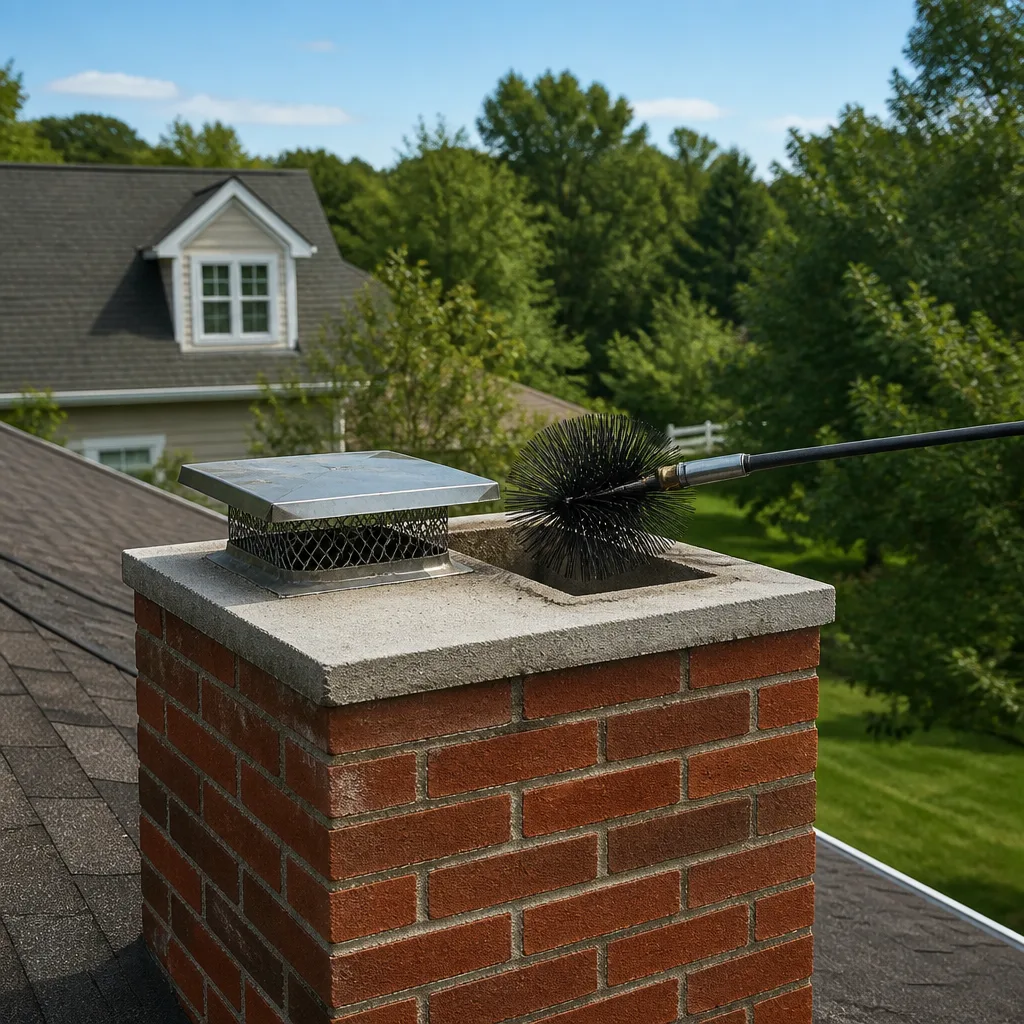
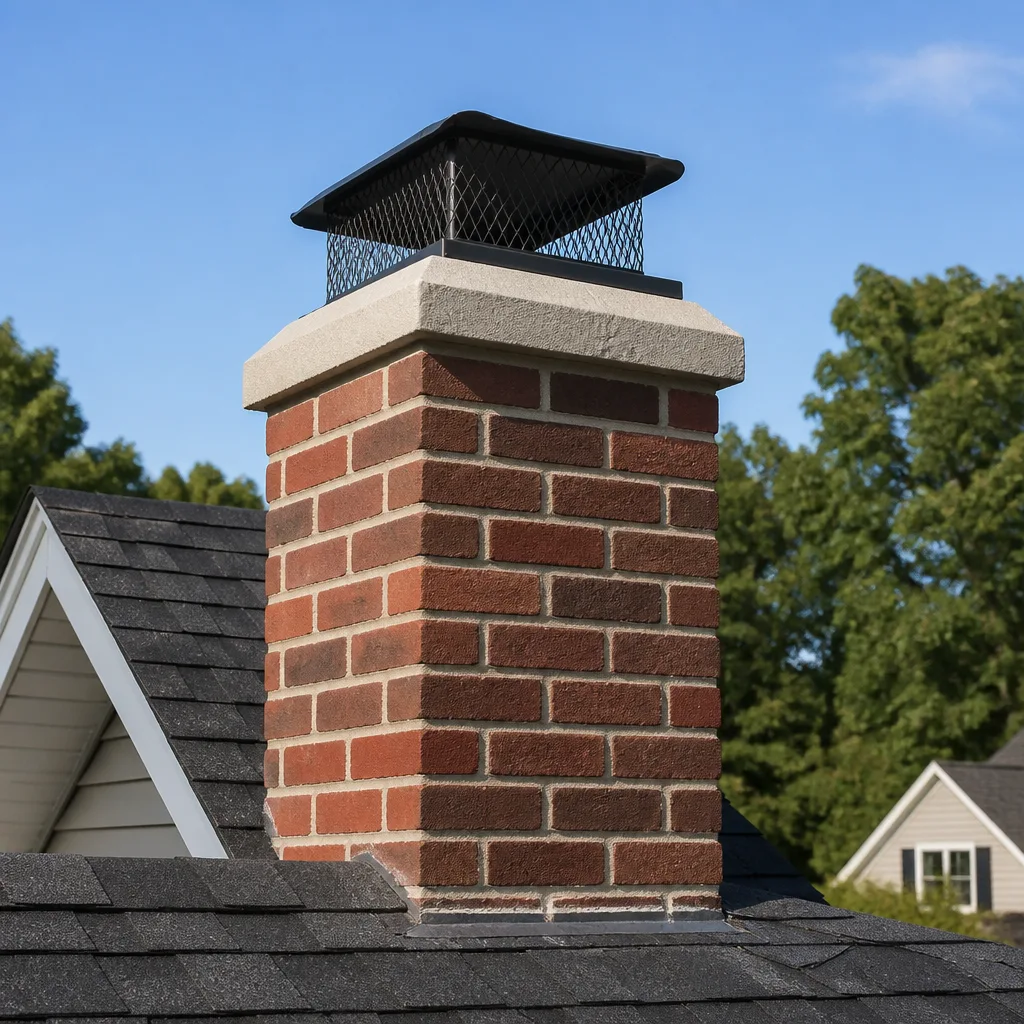
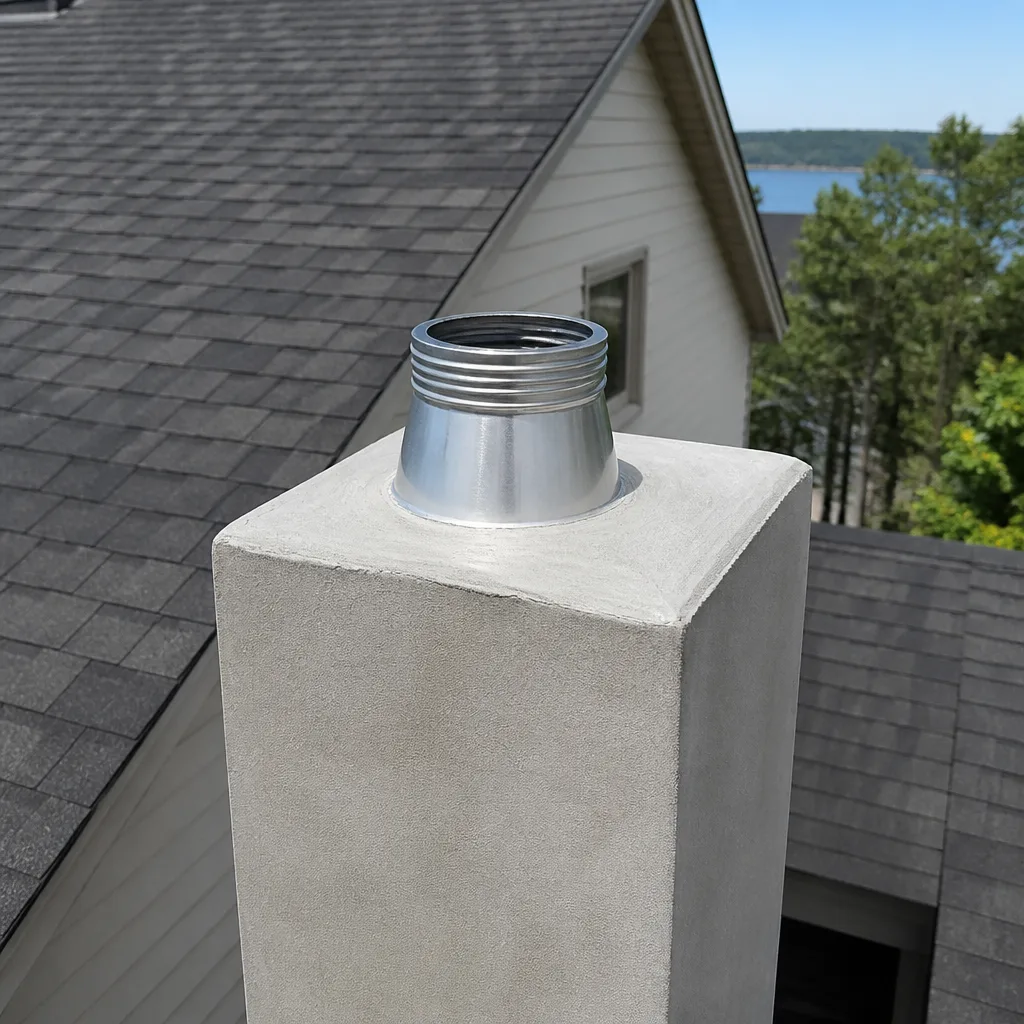
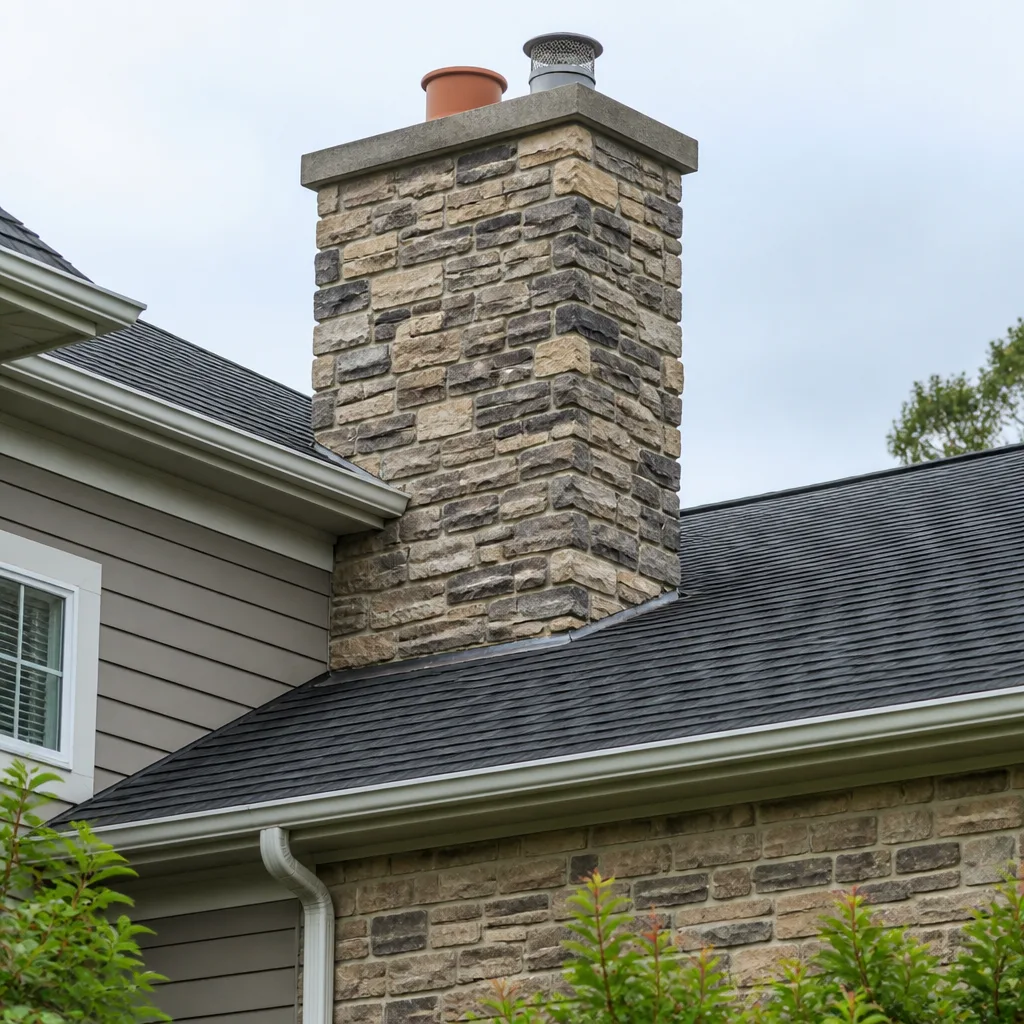
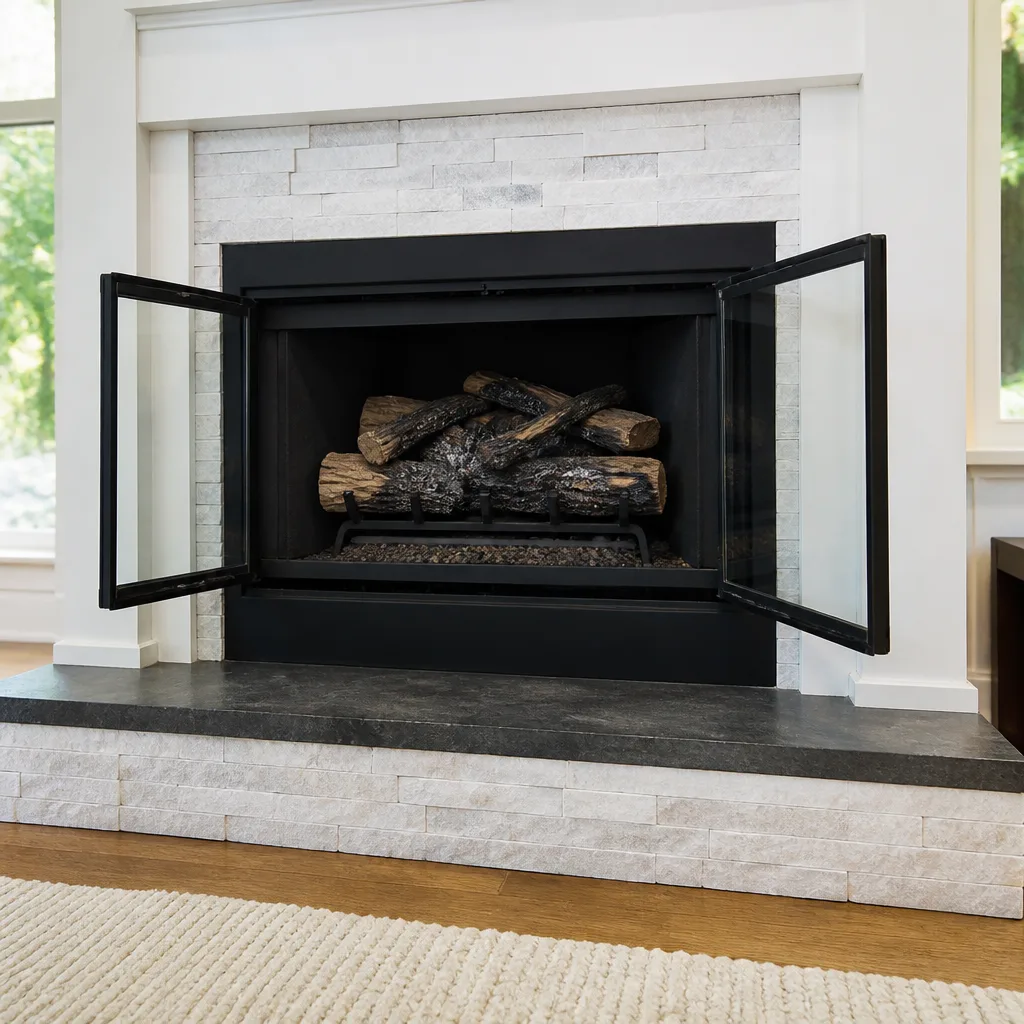
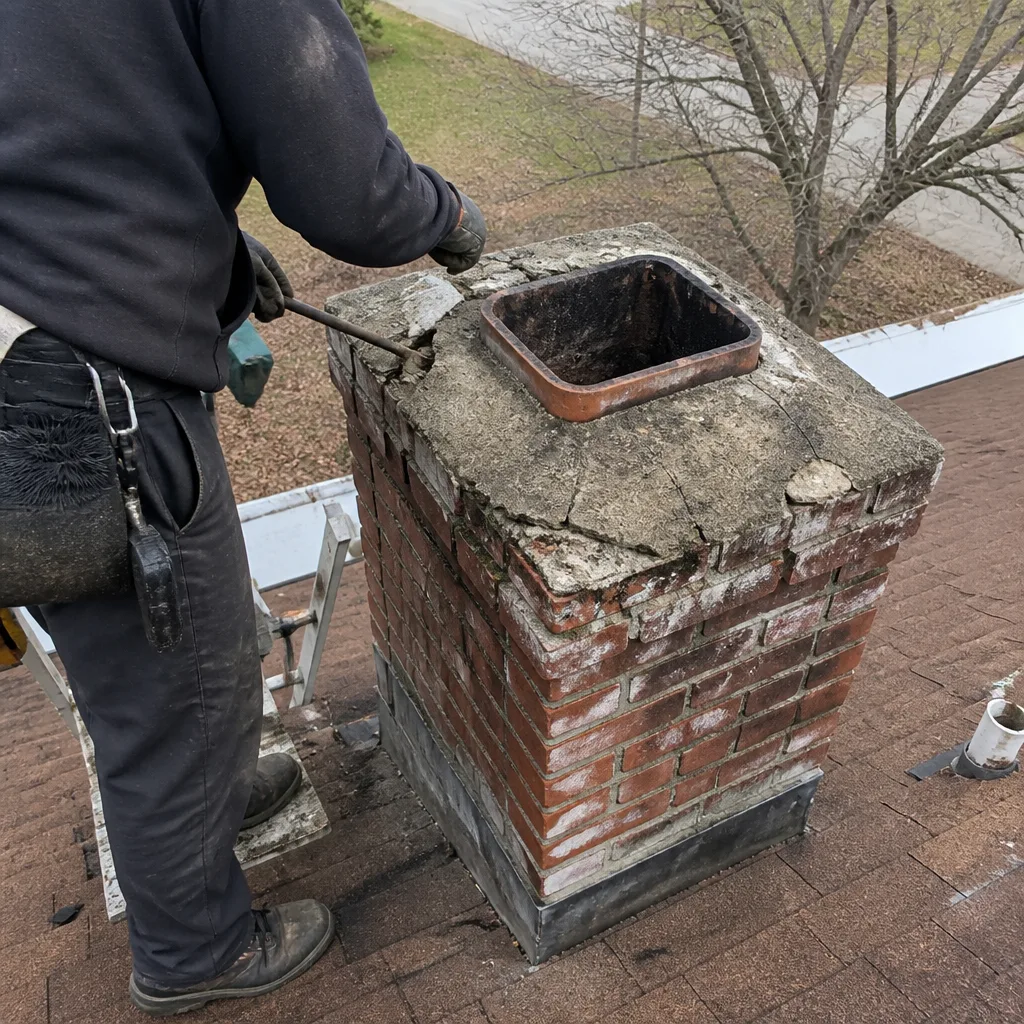 Before
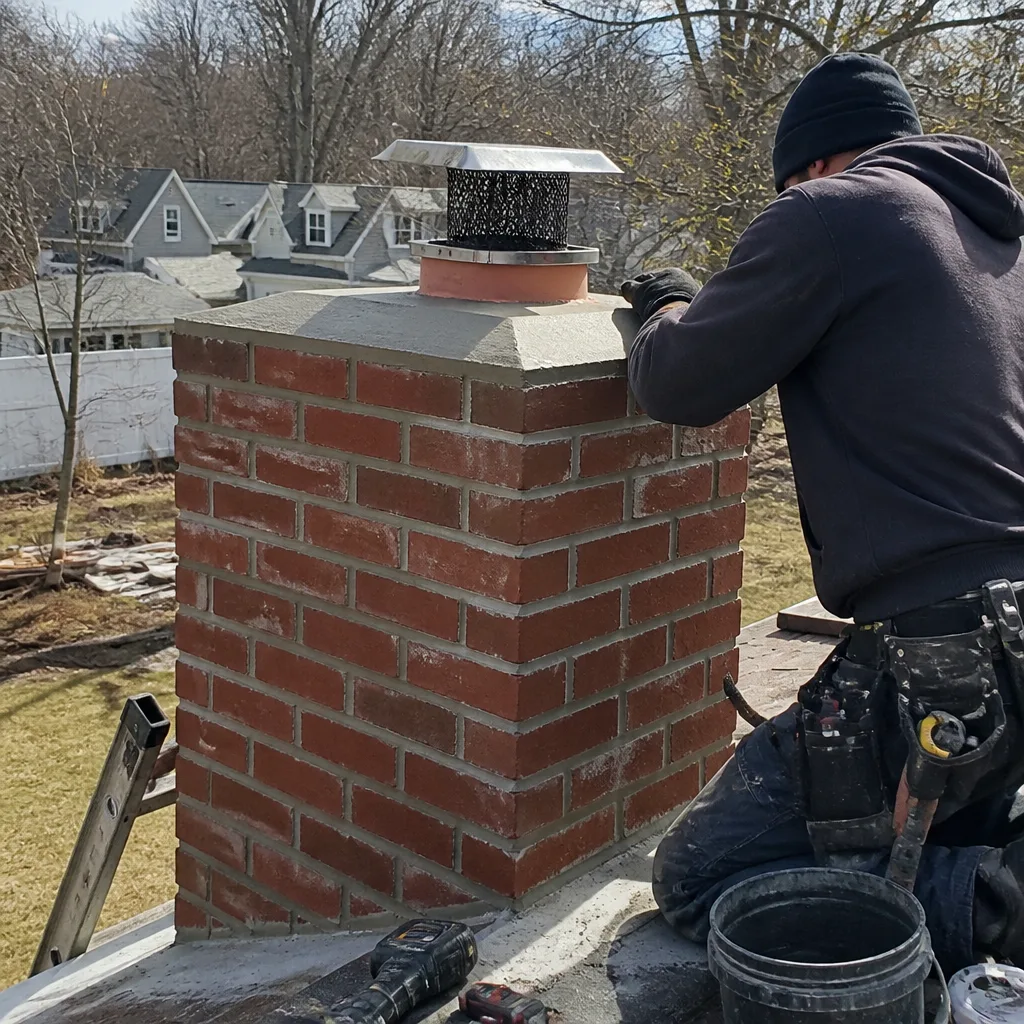 After
After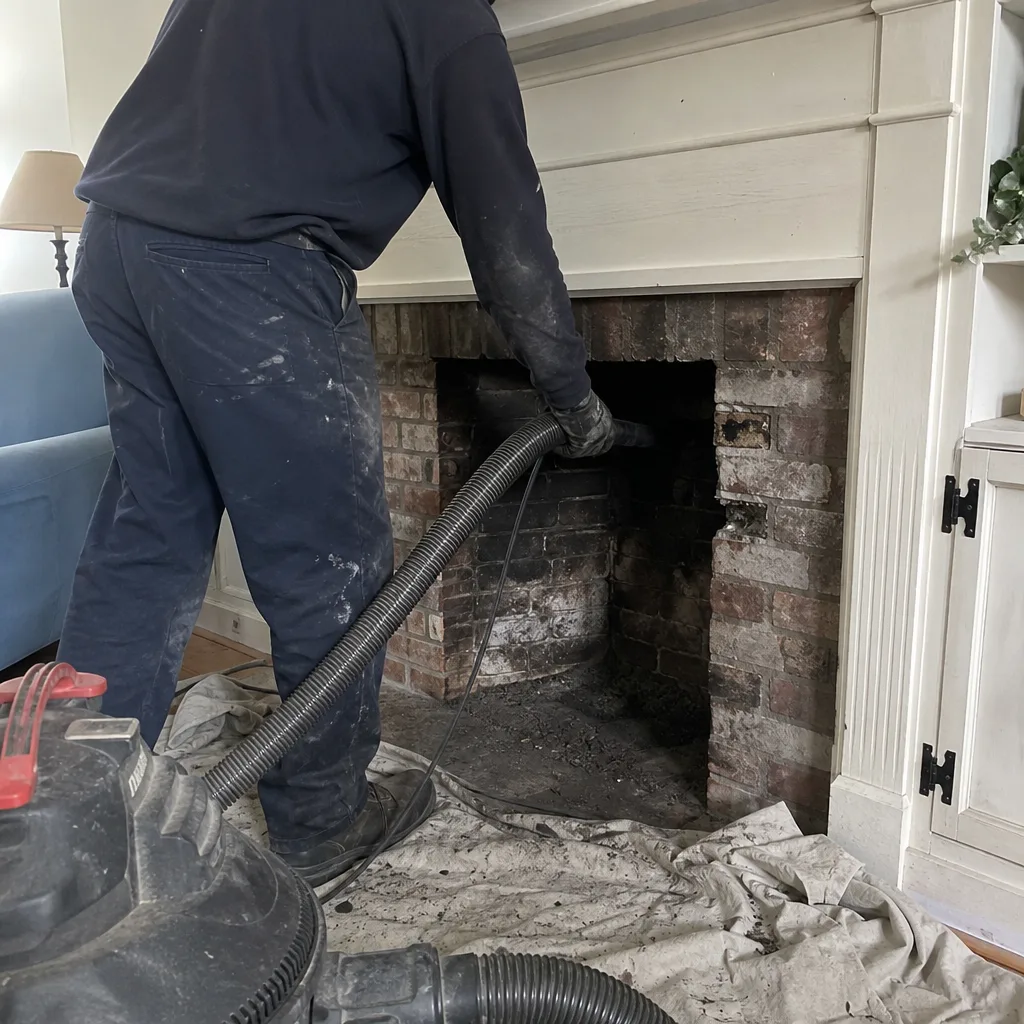 Before
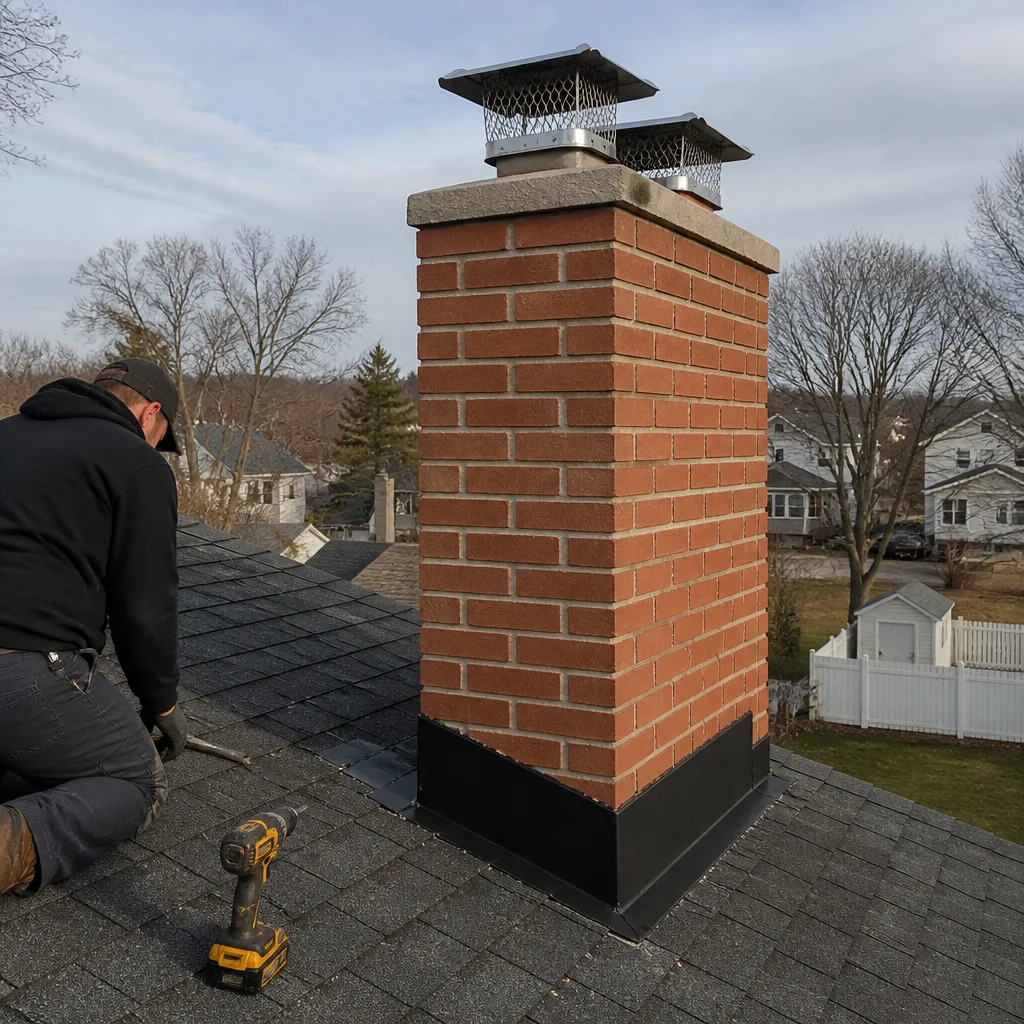 After
After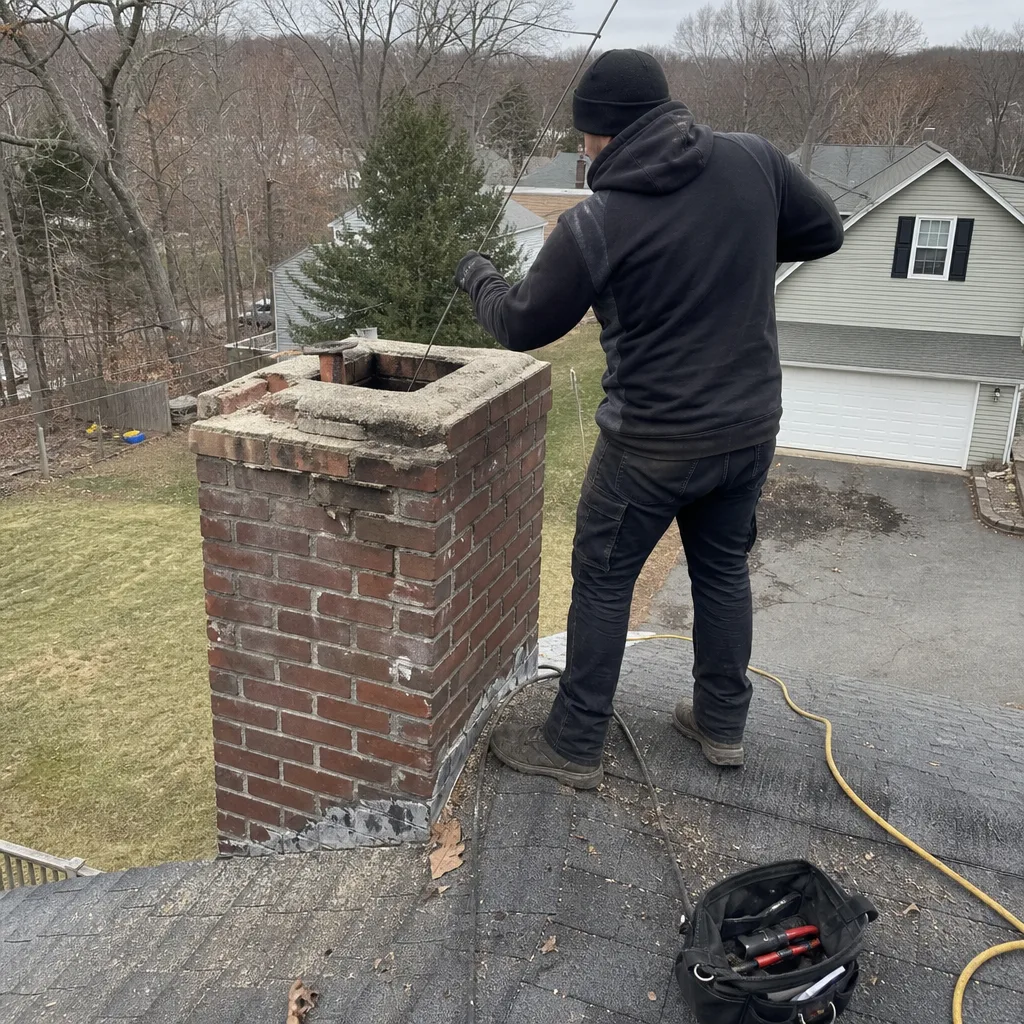 Before
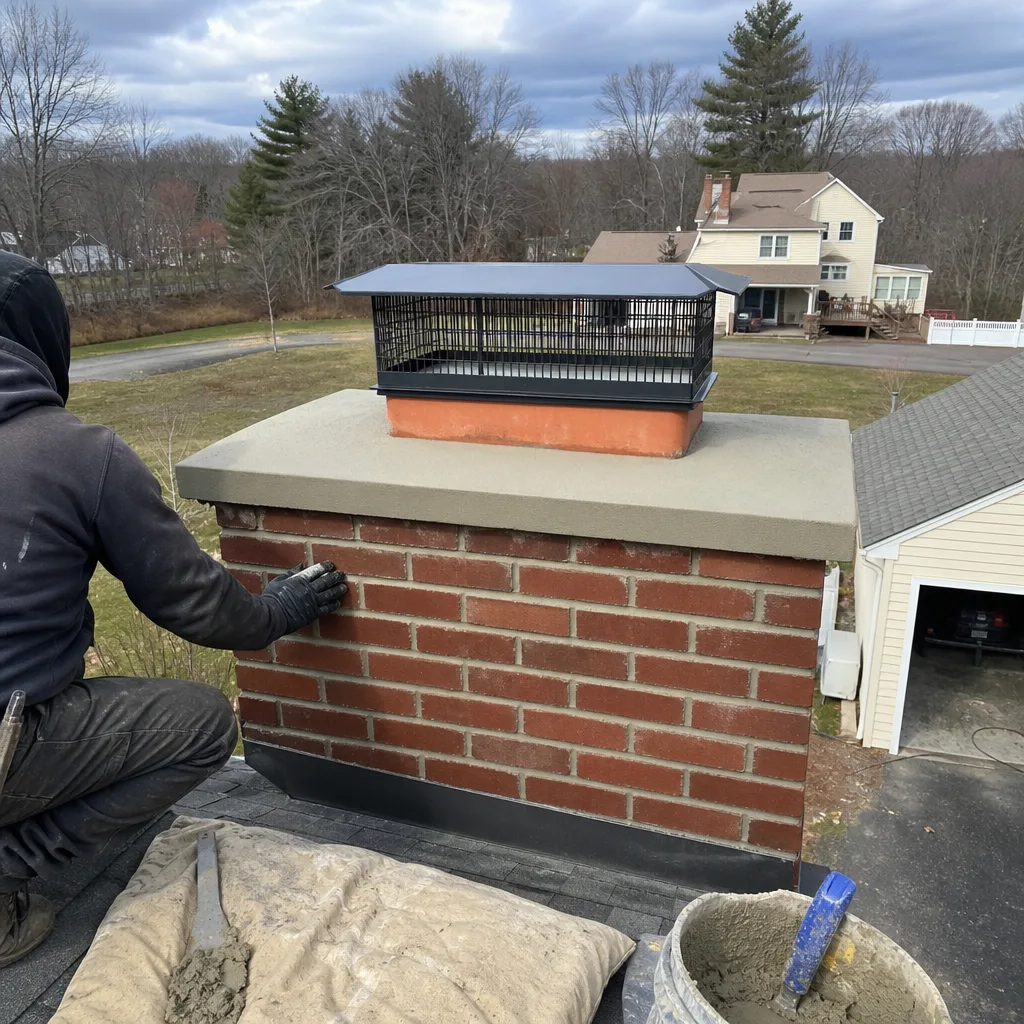 After
AfterCreosote Removal in Haverhill, MA
Our Chimney Cleaning & Sweep services for creosote removal in Haverhill typically run between $150 and $600 depending on how much buildup is in the flue and which stage it has reached. Most jobs are done in a single visit, the same day you call. If you want a straight answer before anyone touches a tool, call (978) 724-7935 – Wendell or someone on the crew will pick up.
Creosote is what wood smoke leaves behind. Every fire deposits some of it on the inside of your flue liner, and every fire after that deposits a little more. It starts as a light, flaky dust – easy to brush away. Left alone, it hardens into a tar-like glaze that insulates itself, resists normal brushing, and burns at temperatures that can crack a liner or ignite the framing inside your walls. The National Fire Protection Association is unambiguous: that buildup is the leading cause of chimney fires in the U.S.
Wendell Pike has been pulling creosote out of chimneys across northeastern Massachusetts since Top Hat Chimney opened in 1999. He has been inside flues in Bradford, Rocks Village, Washington Square, and plenty of older wood-frame houses along the Merrimack where the previous owners burned green wood for years and never called a sweep. He knows what a Level 1 Inspection reveals, he knows what Stage 3 smells like, and he will tell you plainly what is in your flue and what it is going to take to fix it.
This page covers what we find in Haverhill chimneys, how the removal process works, what it costs, and when you genuinely need professional help versus a standard sweep. If you are still getting oriented, start with our full Chimney Cleaning & Sweep in Haverhill page – it covers the broader picture. This page goes deeper on creosote specifically.
When You Need Creosote Removal
A standard annual sweep handles first-degree creosote without a second thought. What gets people into trouble is when the flue has been skipped for two or three seasons, or when someone switched fuel types, or when the stove or insert was running too cool all winter. Here is what we see in Haverhill that tells us the situation has moved past a routine brush job:
- A black, oily smell even when the fireplace is cold. That odor means creosote has absorbed enough moisture – common in Haverhill winters – to start off-gassing at room temperature. It is not a cosmetic issue. It means there is enough mass in the flue to be a real fire risk.
- You can see a shiny or bubbly surface when you look up the flue with a flashlight. Flaky gray residue is Stage 1. A hardened, matte crust is Stage 2. A shiny, glazed coating that looks almost melted is Stage 3. Stage 2 and Stage 3 require chemical treatments or specialized tools, not just a rotary brush.
- Your fires have been sluggish and smoky all season. A thick creosote layer narrows the usable diameter of the flue and disrupts the draft. If smoke is rolling into the room instead of going up, buildup is one of the first things to check – along with a blocked cap or a deteriorating liner.
- You burned wet or unseasoned wood. This is one of the most common patterns we run across in Haverhill, especially in households that cut their own wood from lots along the Merrimack basin. Green wood burns cooler and wetter, which means the smoke condenses higher and faster in the flue – depositing creosote two or three times faster than properly seasoned hardwood.
- You have not had a sweep in more than 12 months and you used the fireplace regularly. Once a year is the baseline for any actively used wood-burning system. If you burned more than 30 or 40 fires last winter, you likely have enough accumulation to warrant a close look regardless of what the flue looked like the previous year.
- There has been a small chimney fire. Even a brief flue fire – the kind that sounds like a low roar and goes out on its own – can push Stage 2 deposits into Stage 3 in the span of minutes. After any suspected flue fire, do not use the fireplace again until a sweep has inspected the liner. We carry a camera for exactly this reason.
Our Creosote Removal Process
What happens on the day we come out depends on what we find. We do not show up with a script. We show up with tools and a camera, and the process follows the condition of the flue, including whether a Level 2 Inspection is needed. That said, here is how a typical creosote removal job unfolds for a Haverhill homeowner:
- Camera inspection first. Before a brush comes out of the truck, Wendell or the sweep working your job will run a camera up the flue. This tells us the degree of buildup, the condition of the liner, and whether there are any cracks or obstructions that could affect the cleaning method or the safety of the job. You will see the footage on a screen. We will give you a plain-English read on what is in there – no jargon, no upsell language.
- Preparation and containment. We lay down drop cloths, seal off the fireplace opening, and set up a HEPA-filtered vacuum. Creosote removal – especially Stage 2 and 3 – can be gritty work. Our goal is to leave your room cleaner than we found it. That is not marketing language; it is just basic respect for someone’s home.
- Stage 1 and Stage 2 mechanical removal. For light to moderate buildup, we use professional-grade rotary brushes and hand tools – working from the top of the flue down in most cases. This is the same foundation as any chimney sweep, but with heavier tooling when the deposits are more compacted. For Stage 2 deposits that have hardened significantly, we may use a chemical loosening agent applied the same visit, then brush after it has had time to work.
- Stage 3 chemical treatment when required. Third-degree glazed creosote is dense, adherent, and does not yield to mechanical brushing alone. We apply a professional-grade creosote modifier – the type that converts the glaze into a porous, brittle material that can be brushed away on a follow-up visit or will fall away gradually with subsequent low fires. Wendell will walk you through exactly what was applied, how it works, and what to expect in the days after.
- Thorough clean-out and debris removal. Everything that came down the flue goes out with us. We do not leave ash, creosote fragments, or chemical residue in your firebox or on your hearth.
- Post-removal camera check and written report. We run the camera a second time after the flue is clear. If we found cracks, spalling, or liner damage during the first pass, this is where we show you the before and after and talk through whether any repair is needed – whether that is a HeatShield application for hairline cracks or a full relining discussion. If nothing more is needed, we say so. The 90-Day Done Right Promise is in writing on every completed job: if something is not right, one call brings us back.
Creosote Removal Pricing in Haverhill
Creosote removal in Haverhill runs $150 to $600 for most residential jobs. That range is wide because the degree of buildup and the type of treatment required make a real difference in labor time and materials. Here is how the tiers generally break out:
| Creosote Stage | What It Looks Like | Typical Price Range |
|---|---|---|
| Stage 1 (light flake) | Gray, dusty, brushes off easily | $150 – $250 |
| Stage 2 (hard crust) | Brittle, layered, matte-black coating | $250 – $400 |
| Stage 3 (glazed) | Shiny, tar-like, may require two visits | $400 – $600+ |
A few things affect where your job lands in those ranges. Flue length matters – a two-story Colonial in Bradford has more flue to clean than a ranch with a short single-story run. Flue shape (round liner vs. square clay tile vs. a wide older masonry flue) affects tool selection and time. And Stage 3 jobs sometimes require a follow-up visit after the chemical modifier has had time to work, which we will price and explain upfront before we begin.
What does not change: you will have a specific number before any tool comes off the truck. No phone-quote bait and switch, no “we found something extra” surprise at the end. The number you hear is the number on the invoice. If you have a competing written estimate from another company, bring it – we offer a free second opinion on any written quote. And if your repair comes to more than $200, the $40-off discount applies automatically. Seniors and veterans always get 10% off.
Call (978) 724-7935 for a free estimate. There is no trip charge for calls inside our service county, and someone will pick up around the clock.
FAQs – Creosote Removal
How often does creosote need to be removed from a Haverhill chimney?
Once a year is the right baseline for any wood-burning fireplace or stove that sees regular use. If you burned more than 50 fires last season, or if you frequently used unseasoned wood, have the flue checked even if it was swept the previous year – creosote accumulates faster under those conditions. Chimneys also take in moisture and shift slightly over winter, so an annual inspection catches damage that has nothing to do with how much you burned. Call (978) 724-7935 to schedule – we will tell you honestly whether a full cleaning is needed or whether you just need an inspection.
Can I remove creosote myself with a store-bought product?
Consumer creosote logs and powder treatments exist and they do have some effect on Stage 1 and mild Stage 2 deposits – they dry out the buildup and make it more friable. What they do not do is remove the material from the flue. The loosened creosote still needs to come out, and it will not come out without a brush and vacuum. Stage 3 glazed creosote does not respond meaningfully to consumer products at all. Using a chemical modifier without knowing what is actually in your flue can also make it harder for a professional to assess the liner condition during a later inspection. Our camera inspection takes the guesswork out of it entirely. Call us, we will look and give you a straight answer before we charge you anything.
Is creosote removal dangerous? Should I be worried about the fumes?
Creosote itself is a known health hazard – prolonged skin and respiratory exposure carries real risks, which is why this is not a job to do without proper filtration and protective equipment. The sweep working your job will be in full protective gear. Inside your home, we seal the firebox opening and run HEPA-filtered vacuums to contain airborne particles. For Stage 3 chemical treatments, we use professional-grade modifiers in controlled amounts; the product itself is not acutely toxic at normal application quantities, but we will advise you to keep the area ventilated for a few hours afterward. If you have pets or family members with respiratory sensitivities, let us know when you call and we will work around your schedule.
What happens if creosote is not removed and there is a chimney fire?
A chimney fire fueled by Stage 2 or Stage 3 creosote can reach temperatures above 2,000 degrees Fahrenheit inside the flue. That is enough to crack clay tile liners, warp metal liners, and transfer heat through masonry into adjacent framing and insulation. Many chimney fires go undetected because they burn out on their own – but the structural damage they leave behind is not reversible without significant repair or relining. In Haverhill, we see older homes along the Merrimack corridor where previous owners never swept the flue for years at a stretch. When we get the camera in there, the liner tells the story. The repair at that stage is real money. The annual sweep is not. Call (978) 724-7935 and we will tell you what is actually in your flue.
Key Takeaways
- Creosote removal in Haverhill runs $150 to $600 depending on the stage of buildup – you will have a firm number before work starts.
- Stage 1 is a brush job. Stage 3 is a chemical treatment followed by mechanical removal, and it may take two visits.
- Once a year is the right interval for any actively used wood-burning system – more often if you burned green wood.
- Glazed Stage 3 creosote does not come out with store-bought logs or powder treatments. It needs professional tools and a camera follow-up.
- Every job Wendell’s crew completes is backed by the 90-Day Done Right Promise in writing. One call brings us back if anything is not right.
- Seniors and veterans get 10% off. Any repair over $200 gets $40 off. No trip charge inside the county.
Ready to Clear Your Flue? Call Top Hat Chimney.
If your fireplace has been sitting idle since last spring, or if you burned through a cold Haverhill winter and never had the flue looked at, now is a good time to call for Fireplace Cleaning. Creosote does not get easier to remove with age, and a liner damaged by a flue fire costs significantly more to repair than a sweep costs to prevent it.
Wendell and the crew serve Haverhill and the surrounding communities across northeastern Massachusetts. You can reach us any time at (978) 724-7935 – a live person answers around the clock, and it may well be Wendell himself. Free estimates, upfront pricing, and no trip charge for calls inside our service county. If you want to start with the broader picture of what a professional chimney cleaning covers, the Top Hat Chimney home page has the full rundown.
The number you hear on the phone is the number on the invoice. That is how it has worked since 1999, and it is not changing.
Written by Wendell Pike, Owner at Top Hat Chimney, serving Haverhill since 1999.