
Level 1 sweep and inspection to the NFPA 211 annual standard - flue, crown, cap, and flashing checked and photographed
Chimney sweep logs do not sweep chimneys. They loosen some creosote - which then falls where a brush and vacuum still have to collect it.
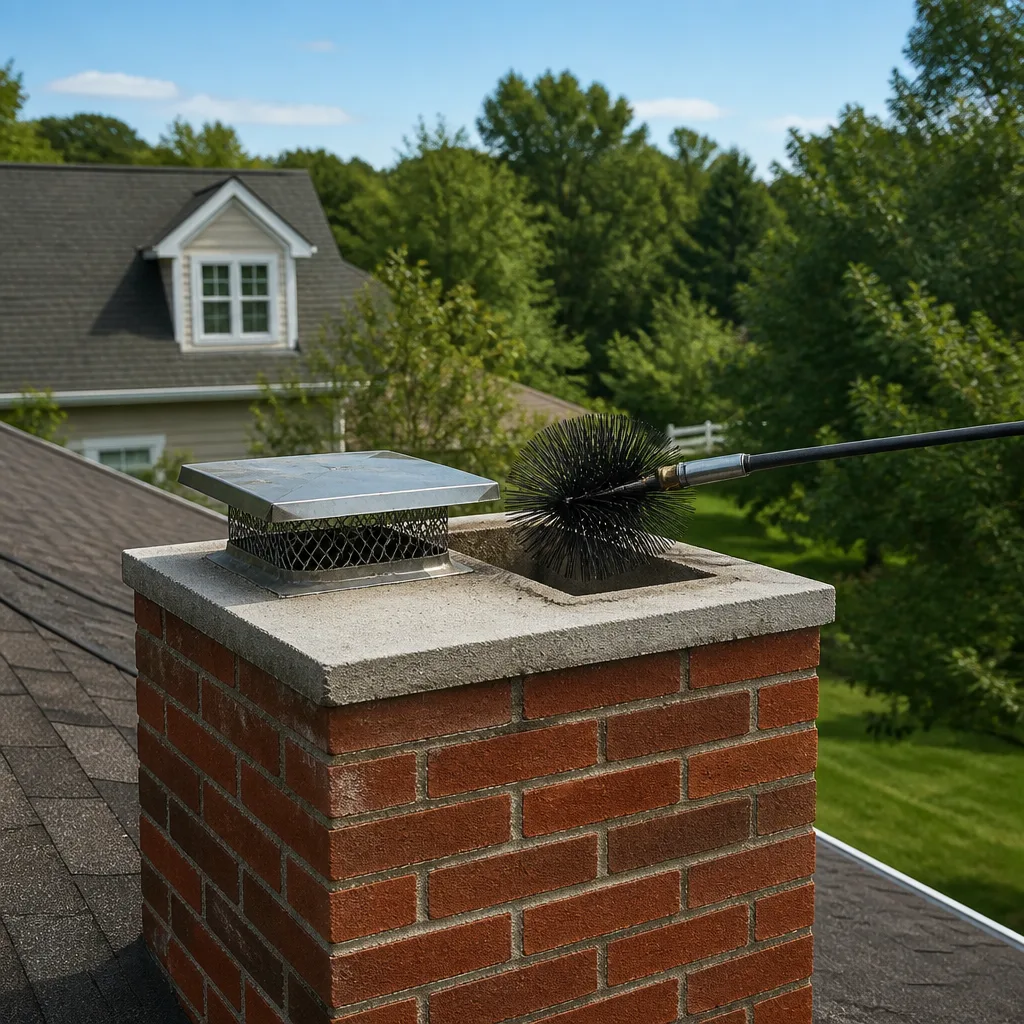
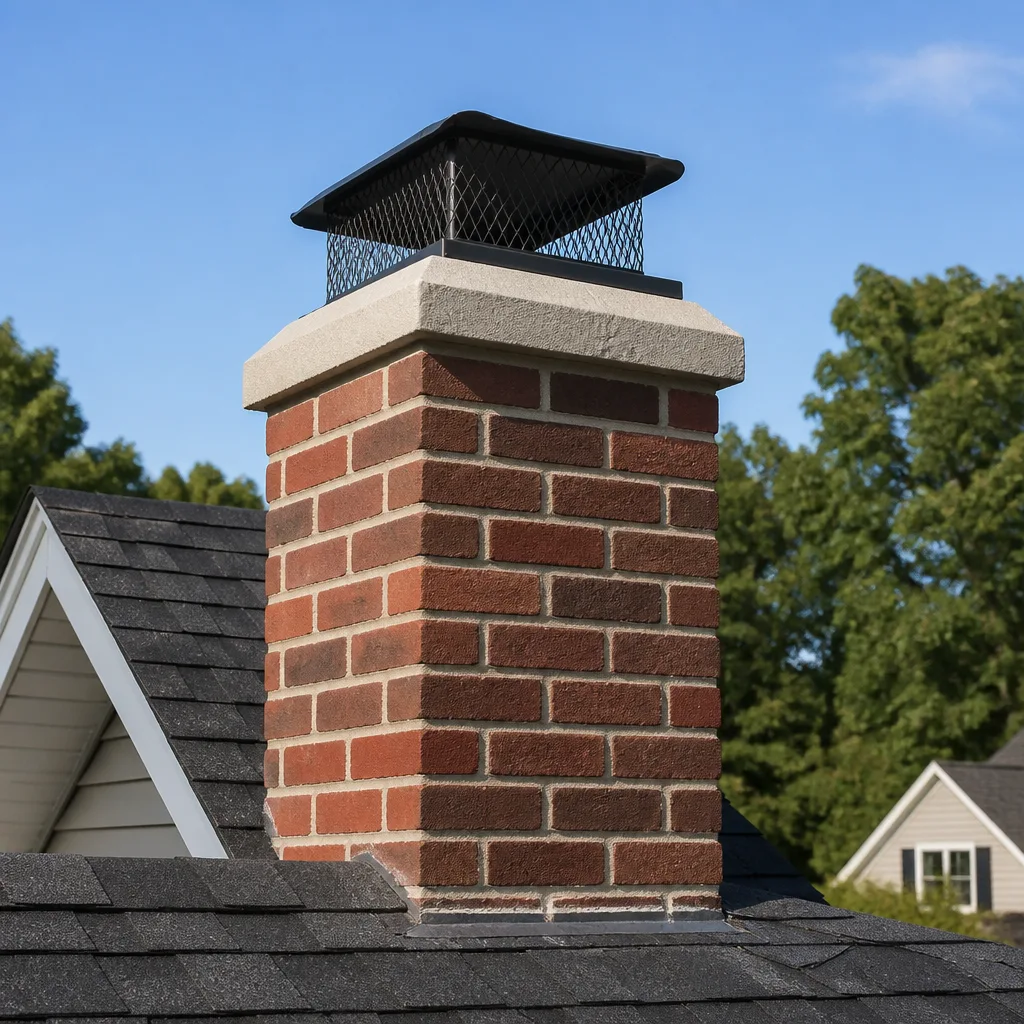
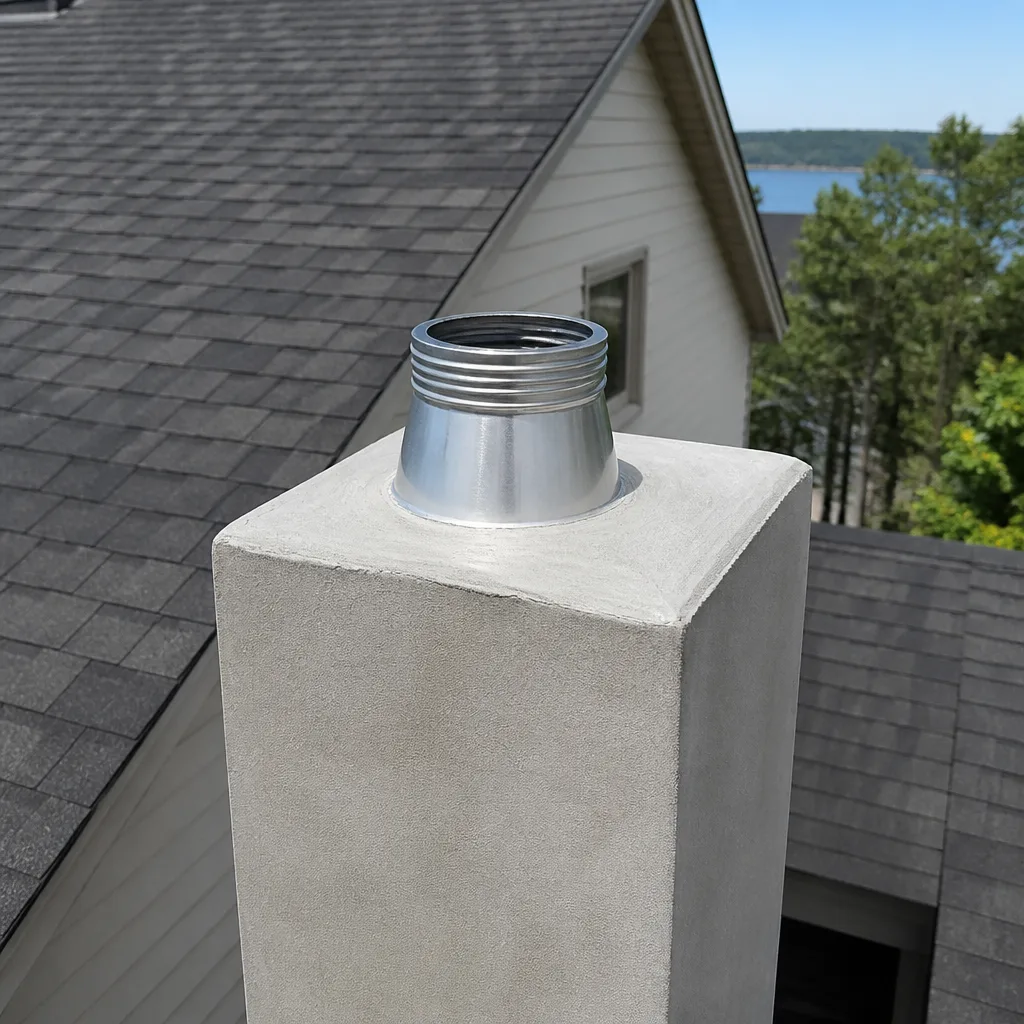
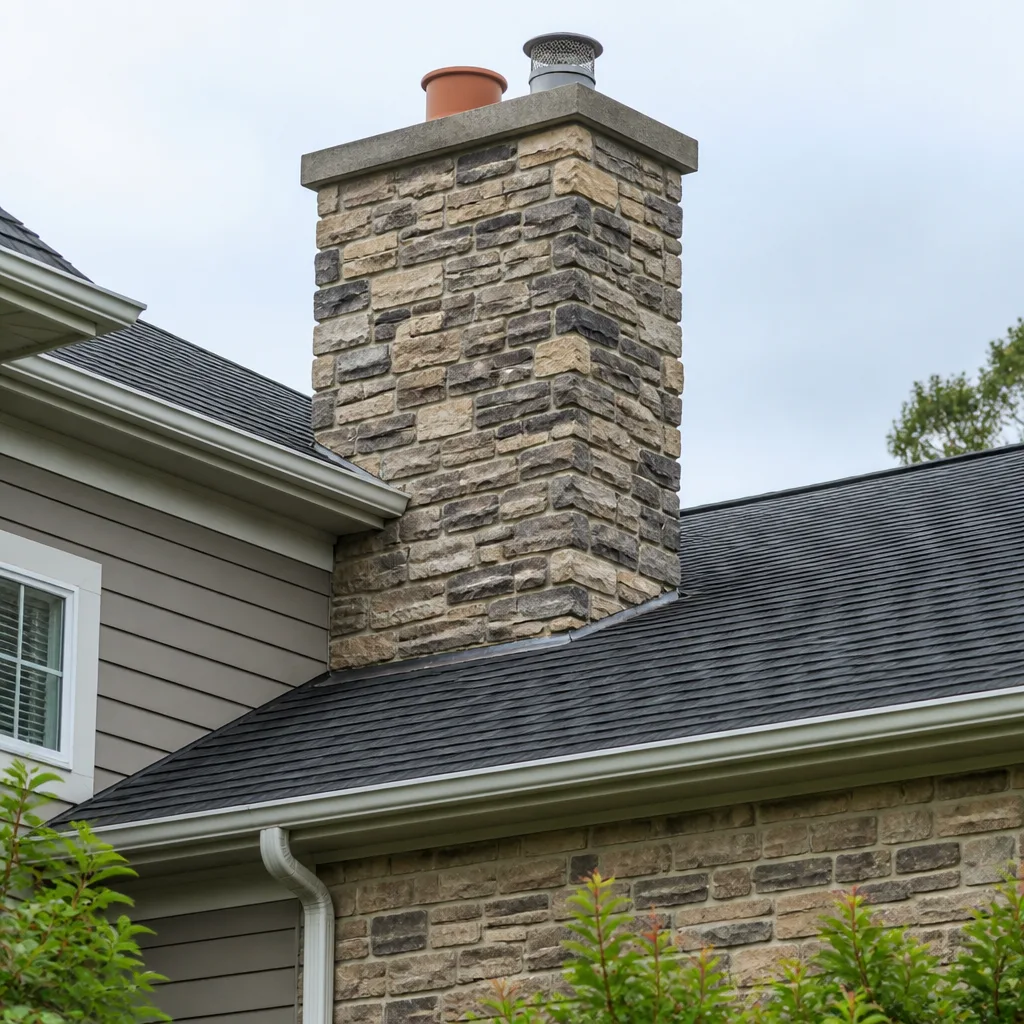
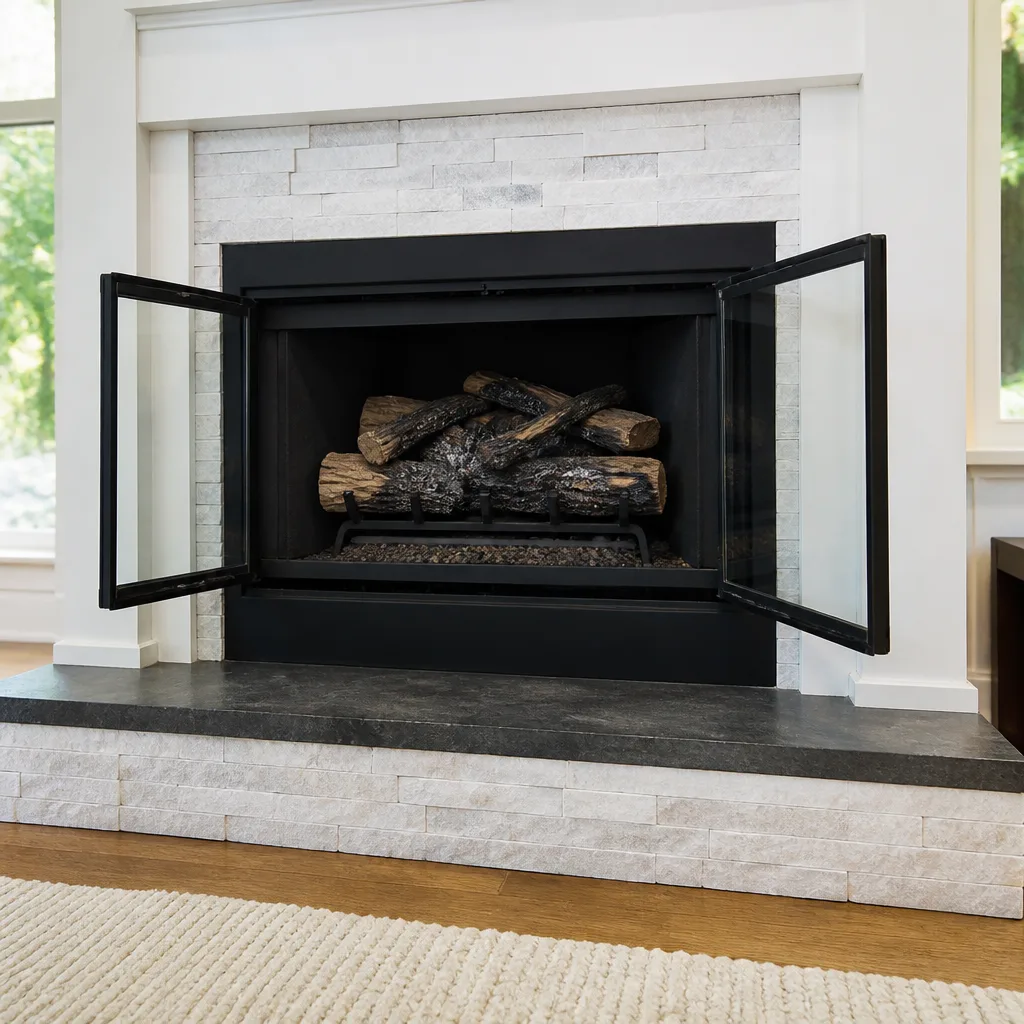
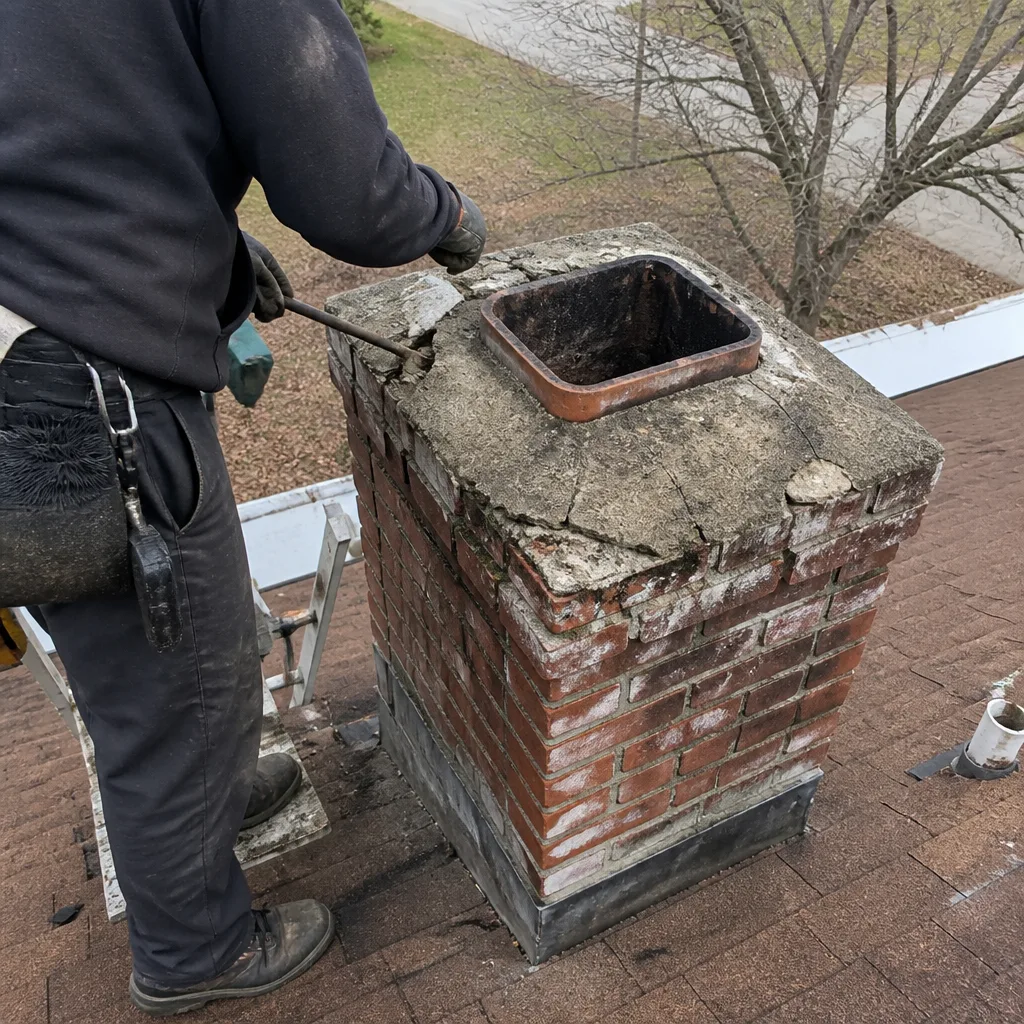 Before
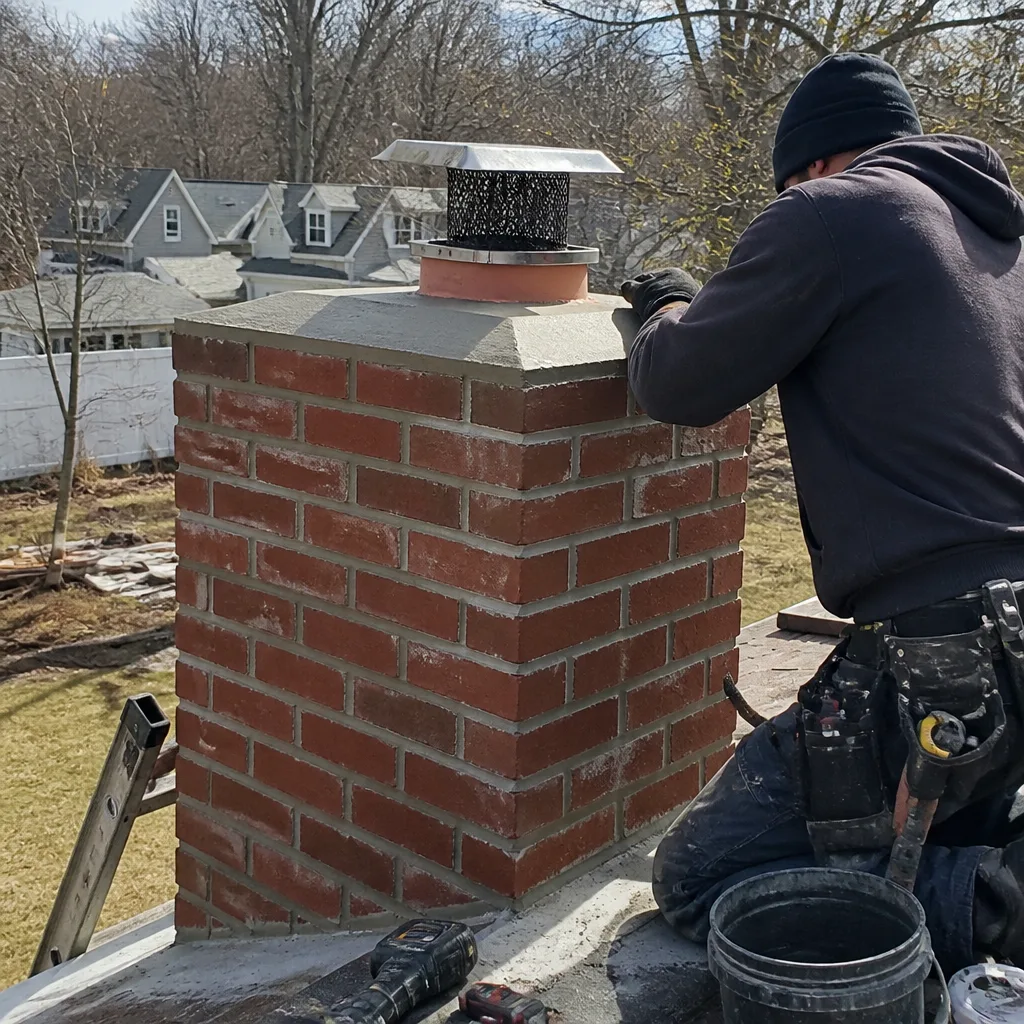 After
After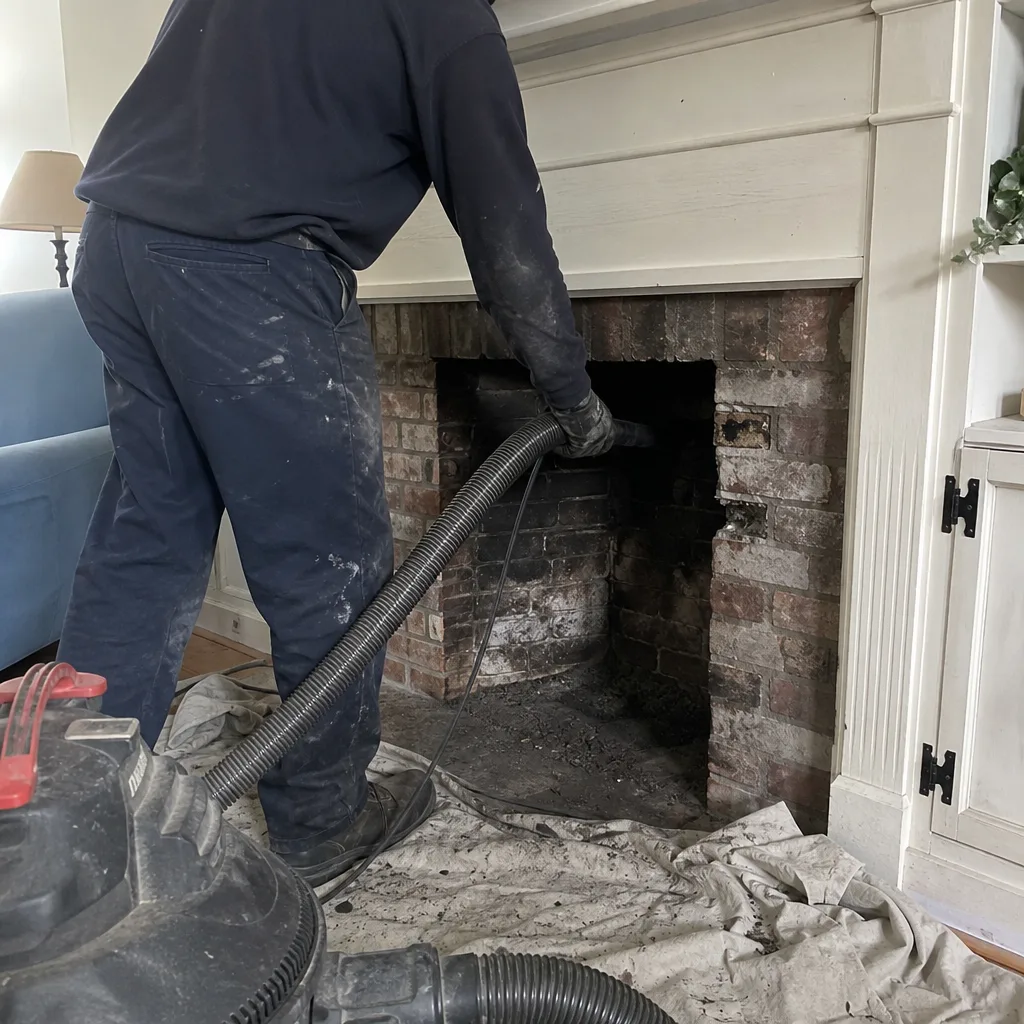 Before
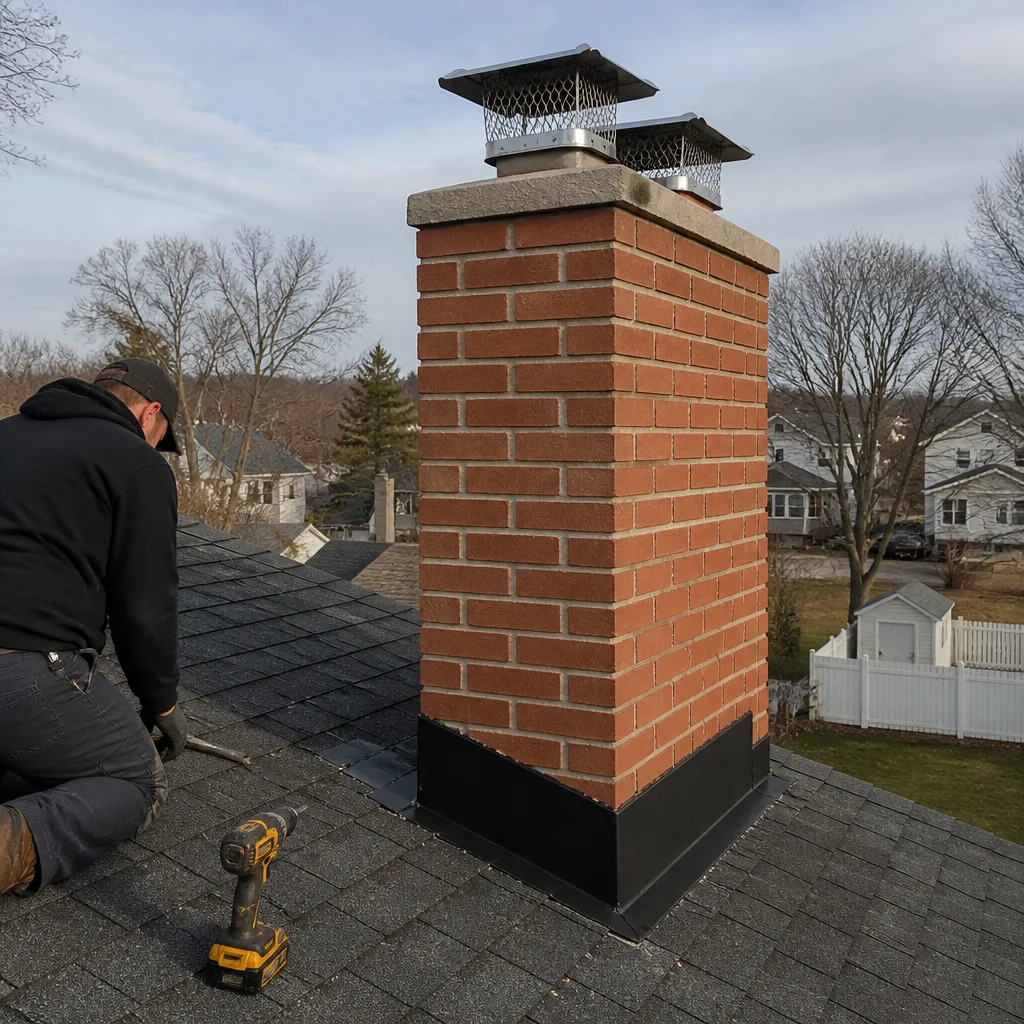 After
After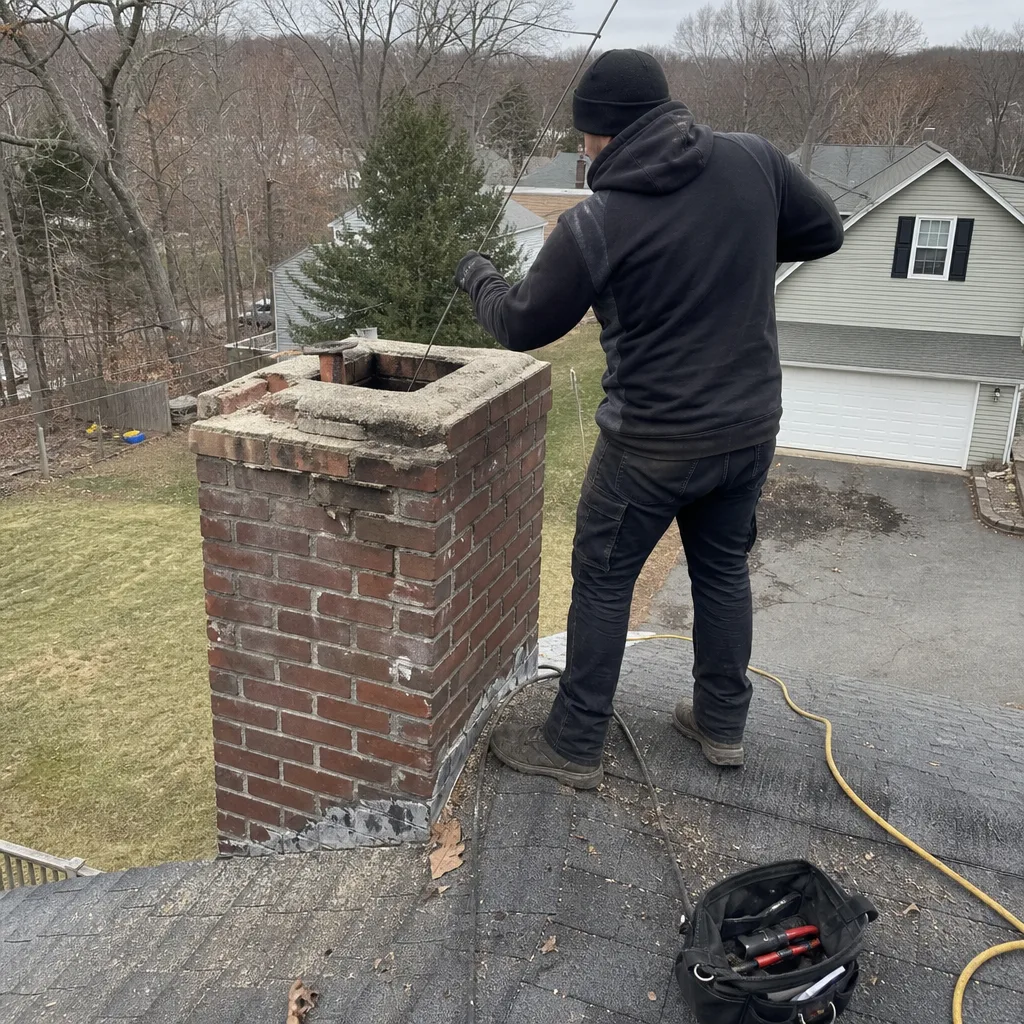 Before
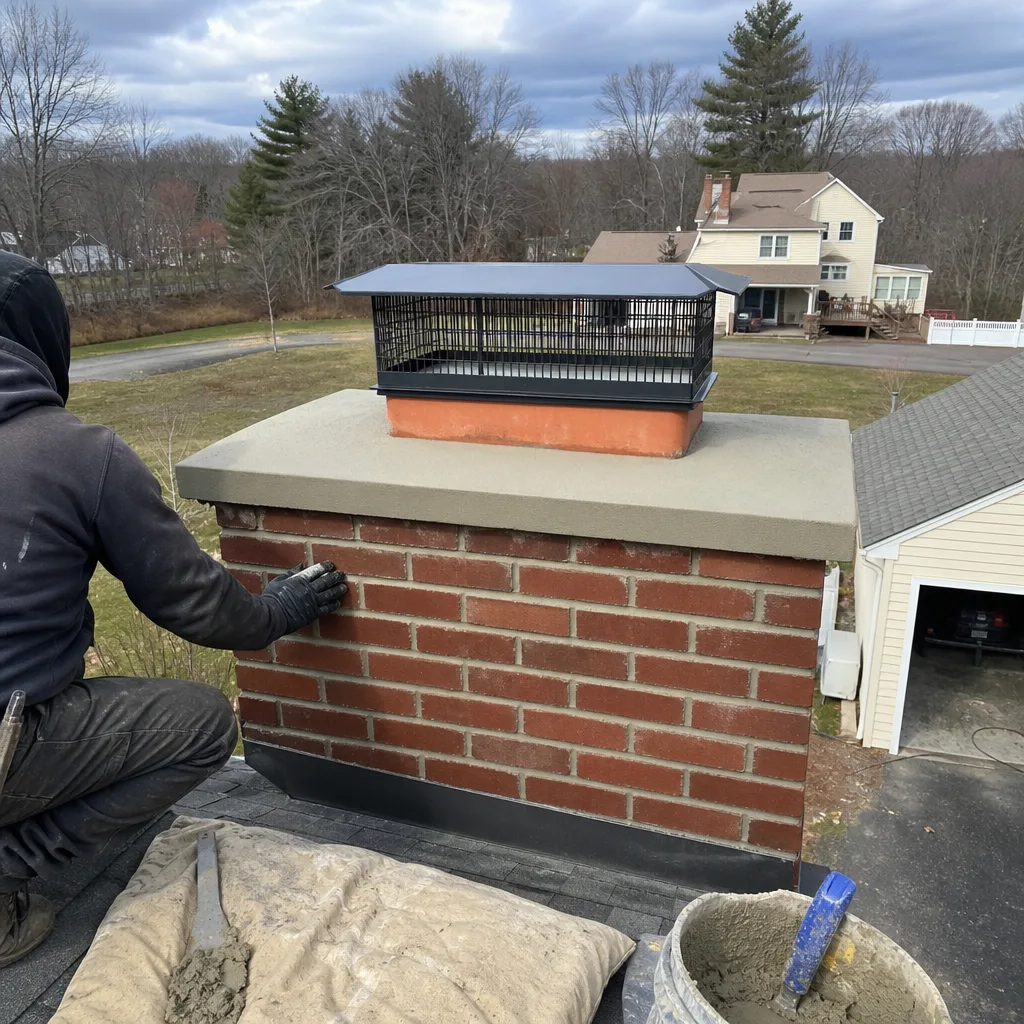 After
AfterFamco Flue Liner Replacement: The Haverhill Owner’s Guide
We stock and install Famco-compatible flue liner replacement parts across Haverhill, with most jobs running $1,800 to $3,400 installed depending on liner diameter, length, and whether the old liner comes out clean or fights us on the way up. We carry the common 5.5-inch through 8-inch round liners on the truck, so if you call before noon on a weekday, there’s a good chance we can have your liner measured, quoted, and scheduled within the week. Most Haverhill homeowners discover their Famco liner has failed the same way: a sweep or home inspector flags corrosion at the bottom joint, or the oil burner starts throwing a flue-gas smell into the basement that wasn’t there last winter.
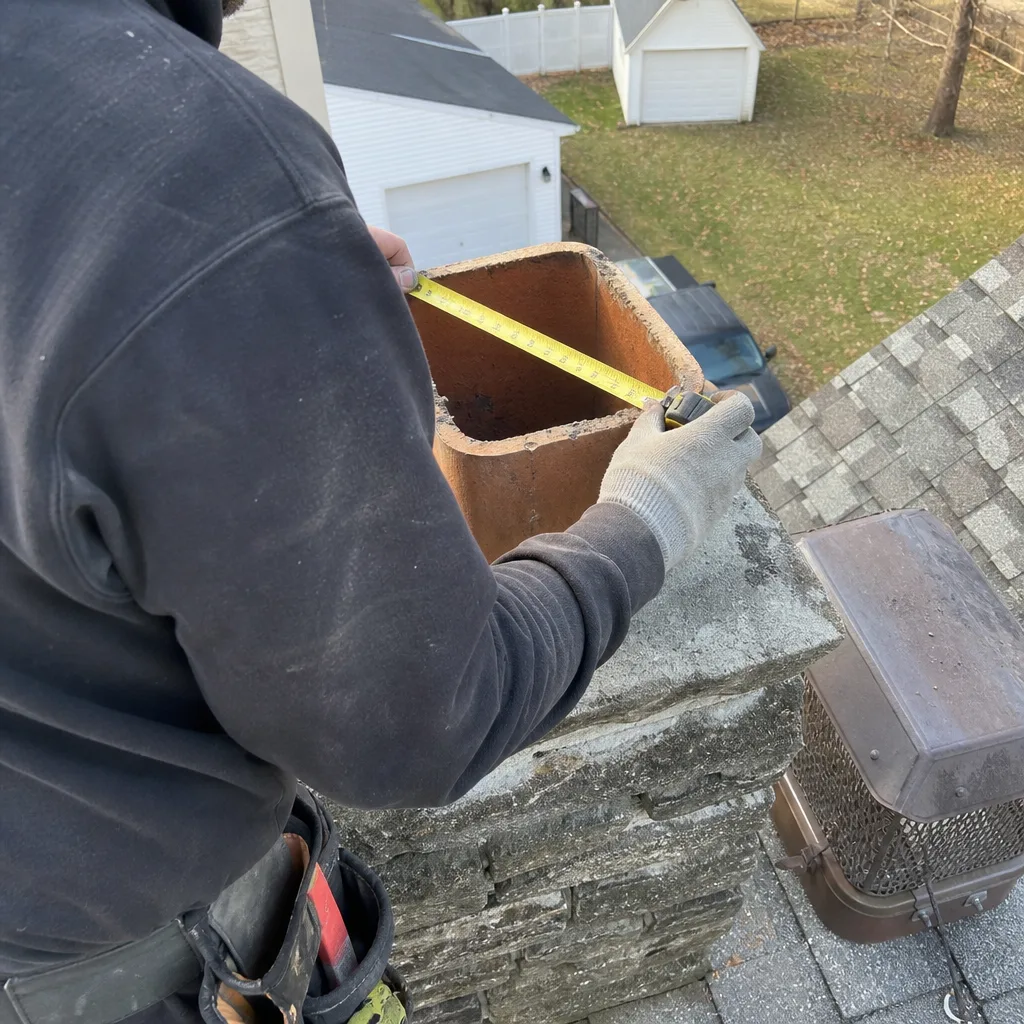
Famco built a solid product and thousands of them are still in service around Essex County, but nothing lasts forever once Massachusetts acid condensation gets a foothold. The liner corrodes from the inside out, and by the time you see rust staining on the outside, the wall is already thin enough to worry about.
Which Famco Models This Applies To
The Famco liner line breaks into two groups that matter for replacement: the older 300-series stainless liners (though most of these are long out of production) and the more common 430 and 316-series flexible liners you’ll find in oil and gas flues across Haverhill. If you have a Famco liner, the easiest way to identify what you’re working with is the data tag at the bottom connection, just above the tee or boot. It will list the diameter, alloy, and the UL listing number. If the tag is burned off or corroded, we measure the inside diameter of the flue and match the new liner to that opening, not to the old liner’s outside measurement. We’ve seen homeowners order a six-inch liner for a flue that actually needs 5.5 inches after a year of soot buildup, and then nothing fits without a fight.
Famco has largely left the flexible liner market to the bigger names, which means OEM Famco replacement liners are getting harder to source. In most cases we install a 316 Ti alloy liner (Thunder 3000 or an equivalent) with UL 1777 listing, which matches or exceeds what the original Famco liner carried. The one place we insist on staying with a Famco-compatible component is the termination cap and the tee body. Those are exhaust-flow parts, not just tube, and the bolt patterns on older Famco tees don’t always line up with aftermarket caps. We keep both patterns on the truck so we’re not making a second trip to a supply house while you wait around.
Signs Your Famco Flue Liner Replacement Is Failing
- Flue-gas smell in the basement or utility room. This is the one we hear about most often in Haverhill homes with oil-fired equipment. A pinhole in the liner lets exhaust slip back into the house instead of up the flue, and the smell hangs around even after the burner kicks off.
- Rust staining or flaking at the bottom connection. Condensation collects at the tee and eats the metal from the outside in. If you can scratch a rust blister and see daylight, the liner is done.
- Soot building up faster than normal between cleanings. A liner with internal scaling or a loose seam disrupts the draft, and the burner runs dirty because it can’t breathe. You’ll notice the glass on the boiler getting hazy faster than it used to.
- Visible water drips inside the flue pipe or at the cleanout. This isn’t a roof leak. It’s acidic condensation that forms when the flue gases cool too quickly, and it tells you the liner has lost its insulating air gap or the alloy has thinned.
- Chimney crown or brick discoloration near the top. Escaping flue gas stains brick with a greasy black film that doesn’t wash off. By the time it’s visible from the ground in Haverhill, the liner has been leaking for a while.
Replacement Cost & What’s Included
A Famco-compatible flue liner replacement in Haverhill runs between $1,800 and $3,400 installed, and the spread comes down to three things: the diameter of the liner (bigger flues need bigger liners and the price climbs with the size), the height of the chimney (a colonial in Bradford with a three-story chase needs more liner than a ranch off River Street), and whether the old liner comes out without tearing up the crown. Most Haverhill jobs land in the $2,200 to $2,800 range once you factor in the tee, cap, and the labor to pull the old liner and feed the new one down from the roof.
The price we quote before the job starts is the price on the invoice. That includes removing and hauling away the old Famco liner, installing the new UL-listed liner, fitting the tee and cap, and a camera inspection after the install so you can see for yourself what’s behind the new metal. Wendell Pike has been pulling liners out of Haverhill chimneys since before a lot of these houses got their second oil tank, and if the liner is still sound and just needs a good cleaning, he’ll tell you that instead of selling you something you don’t need.
DIY or Call Us?
You can check a few things yourself without ever touching a tool: look for rust at the cleanout, note any new smells near the boiler, and see if the draft hood is pulling air correctly on a cold day. But feeding a 30-foot liner down a flue is not a weekend project. It takes two people, a good rope and cone setup, and the judgment to know when a liner has kinked halfway down and needs to come back out. Get it wrong and you’ve got a flue that can’t draft, a burner that soots, and a carbon monoxide risk you can’t see.
That’s the part where we earn our money. We’ve pulled liners out of chimneys all over Haverhill that a homeowner tried to snake through on a Saturday and left half-installed. If you want the liner done right and you don’t want to spend a Saturday on the roof in March, call (978) 724-7935 and we’ll line it up.
FAQs
A 316 stainless liner on an oil flue in the Haverhill area typically lasts 15 to 20 years before condensation and acid attack start to eat through the metal, though gas flues sometimes go longer and coal stoves cut that number in half. The wet New England spring and fall are harder on liners than the winter, because condensation forms every time the flue cools and warms. Call (978) 724-7935 for an inspection if your liner is past its tenth birthday and you’ve never had a camera in there.
Sometimes, if the damage is just a pinhole at the bottom joint or a cracked tee, we can patch or replace just that component and save you the cost of a full liner pull. But if the metal is thinned out along a section longer than a foot, a patch is just buying time and we’ll tell you that straight. The camera tells the truth either way.
Most Haverhill Famco liner replacements are done in four to six hours from setup to camera check, with the old liner out and the new one seated inside the first hour or two. We show up with the liner, the tee, the cap, and the tools on the truck so we’re not making you wait while we run to the supply house.
We carry the common diameters and the tee and cap patterns that match older Famco flues, plus the aftermarket 316 liners we install when an OEM Famco liner is no longer available. If it’s two o’clock and you need a liner measured today, call (978) 724-7935 and Wendell’s crew will get eyes on it the same day.
Written by Wendell Pike, Owner, Top Hat Chimney at Top Hat Chimney, serving Haverhill and nearby areas.